Every gamer knows the feeling. You're getting absolutely demolished in Street Fighter, down to your last sliver of health, when suddenly your character's super meter fills and you land a devastating comeback that turns the entire match around. Or you're dead last in Mario Kart, three laps behind, when that beautiful blue shell appears in your item box like a gift from the gaming gods themselves.
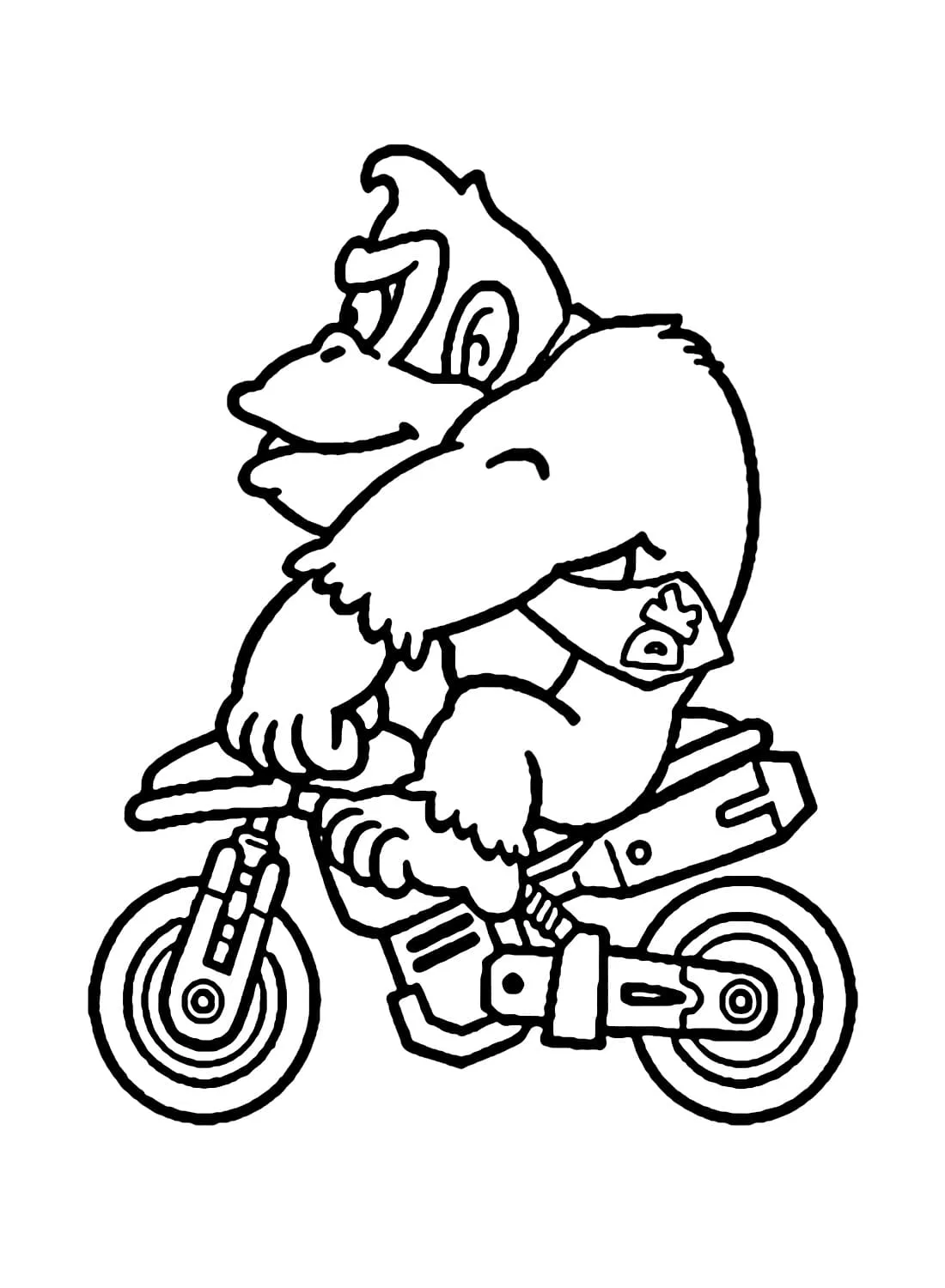 Photo: Mario Kart, via coloringlib.com
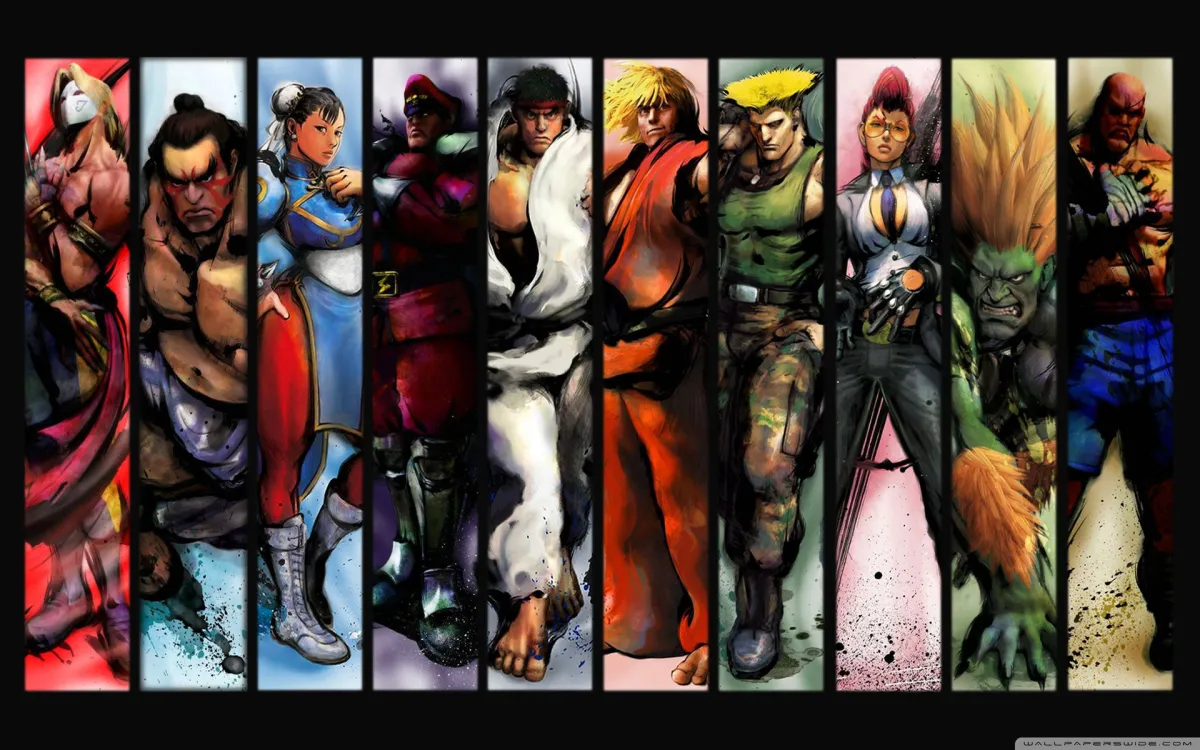 Photo: Street Fighter, via wallpapers.com
These aren't accidents. They're carefully crafted comeback mechanics, and they're baked into some of the most beloved games in history. The question isn't whether these systems exist—it's whether they make games better or worse.
The Psychology of the Rubber Band
Game designers have a term for it: "rubber-band AI" or "dynamic difficulty adjustment." The concept is simple—when you're losing, the game subtly (or not so subtly) gives you tools to fight back. When you're winning by too much, it finds ways to keep things competitive.
The psychology behind this is bulletproof. Humans are wired to find close competition more engaging than blowouts. A nail-biter where victory could swing either way until the final moment creates more dopamine hits than a one-sided beatdown, regardless of which side you're on.
But here's where it gets controversial: the best comeback mechanics don't feel like handouts. They feel earned.
The Hall of Fame: Comeback Mechanics Done Right
Street Fighter's V-Trigger System might be the gold standard. When your health drops low enough, you gain access to powerful V-Trigger abilities that can completely change your character's moveset. It's not a free win—you still need the skill to capitalize on it. But it gives even novice players a fighting chance against seasoned veterans while adding another layer of strategy for pros.
Mario Kart's item distribution is more controversial but undeniably effective. That blue shell might feel cheap when it hits you on the final turn, but it keeps eight-player races competitive until the very end. Without it, the player in first would likely stay there, making the race boring for everyone else.
Tekken's Rage Arts give players a last-ditch desperation move when their health drops critically low. It's telegraphed, blockable, and punishable—but devastating if it connects. The mechanic rewards players for staying calm under pressure while giving them a legitimate threat that forces their opponent to respect their low-health state.
NBA 2K's momentum system subtly adjusts shooting percentages based on recent performance. Miss a few shots in a row? Your next attempt gets a tiny boost. Hit everything? The rim might get a little tighter. It mirrors the psychological reality of basketball while keeping games from becoming shooting exhibitions.
The Dark Side of Assistance
Not all comeback mechanics age well. Mario Kart 64's rubber-band AI was so aggressive that CPU racers would literally teleport to catch up if you got too far ahead. Call of Duty's alleged "engagement-optimized matchmaking" reportedly manipulates weapon damage and hit registration to keep kill-death ratios close to 1.0.
These feel manipulative because they operate in shadows, adjusting fundamental game mechanics without player knowledge or consent. The best comeback systems are transparent—players know they exist and can strategize around them.
The Competitive Conundrum
The fighting game community has wrestled with comeback mechanics for decades. Purists argue that X-Factor in Marvel vs. Capcom 3 or Ultra Combos in Street Fighter IV reward bad play and cheapen victories. Why should the losing player get access to more powerful tools?
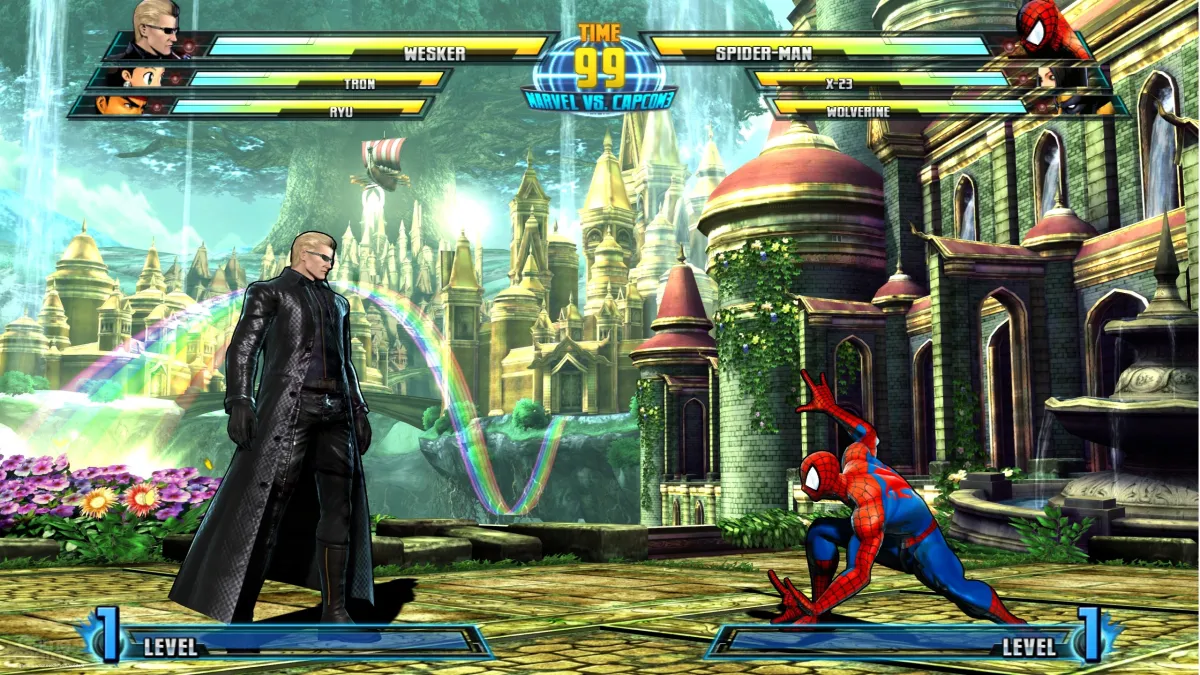 Photo: Marvel vs. Capcom 3, via www.gamereactor.eu
The counterargument is compelling: comeback mechanics don't guarantee wins—they create opportunities. A low-health Ryu with full super meter is more dangerous, but he's still one combo away from losing. The tension created by these moments often produces the most memorable matches in competitive gaming.
The Inclusion Factor
Perhaps most importantly, well-designed comeback mechanics serve as onramps for new players. Without them, skill gaps become insurmountable walls. A novice fighting game player might never land a meaningful hit against an experienced opponent, leading to frustration and abandonment.
Comeback mechanics compress skill gaps just enough to keep games educational rather than demoralizing. They don't eliminate the skill ceiling—they raise the skill floor.
Design Philosophy: Earned vs. Given
The line between good and bad comeback mechanics often comes down to agency. The best systems give players powerful tools but require skill to use them effectively. They create dramatic moments without undermining competitive integrity.
Smash Bros.' rage mechanic is a masterclass in this balance. As your damage percentage increases, your attacks deal slightly more knockback. It's a small advantage that can create upset opportunities without feeling like a handout. Players still need to land clean hits and make good reads—they just hit a little harder when they're behind.
The Future of Fighting Back
As game design evolves, comeback mechanics are becoming more sophisticated. Machine learning algorithms can now adjust difficulty in real-time based on player performance, stress levels, and engagement metrics. The challenge is maintaining the delicate balance between assistance and authenticity.
The best comeback mechanics will always feel like natural parts of their game's ecosystem rather than external interventions. They should create stories, not shortcuts.
The Verdict
Comeback mechanics aren't participation trophies—they're dramatic devices that transform good games into great ones. When executed properly, they don't reward failure; they create opportunities for redemption. They turn certain defeats into uncertain victories and transform rage-quits into comeback montages.
The secret isn't whether your game has comeback mechanics—it's whether players feel like they earned their comebacks or were simply handed them by an algorithm with good intentions and poor execution.