First Patch, First Impression: Why Day-One Updates Are Quietly Becoming the Most Important Part of Any Game Launch

The ritual has become depressingly familiar. You rush home with your brand-new game, slide it into your console, and immediately get hit with a download prompt. "Update required," the screen cheerfully announces, as if this multi-gigabyte patch is just a minor formality rather than the difference between a broken mess and the game you actually paid for.
Welcome to the era where the day-one patch isn't just a nice-to-have improvement — it's the moment when many games actually become playable. And increasingly, it's becoming more important than the launch itself.
The Patch That Changed Everything
To understand how we got here, we need to look at some recent high-profile examples where day-one updates fundamentally transformed the launch experience.
Cyberpunk 2077 remains the poster child for patch dependency, but it's far from alone. Halo Infinite shipped with missing features that arrived in day-one updates. Battlefield 2042 required immediate patches to address game-breaking bugs. Even Nintendo, traditionally known for polished launches, has increasingly relied on day-one updates for games like Pokémon Scarlet and Violet.
But perhaps most telling is No Man's Sky, which has essentially become a different game through post-launch patches. While not technically a day-one update, it established the template for using patches to deliver on original promises — a strategy that's now being front-loaded into launch day itself.
The Economics of Incomplete Launches
Why are publishers increasingly comfortable shipping incomplete games? The answer lies in the brutal economics of modern game development.
"Going gold" — the traditional moment when a game's code is finalized for disc production — now happens weeks or even months before actual release. During this gap, development teams continue working, often addressing critical issues that won't make it onto the physical media.
This creates a perverse incentive structure. Publishers can hit their release dates by shipping incomplete games, knowing that a day-one patch can address the most egregious issues. The alternative — delaying the game — carries significant financial costs, especially during competitive release windows.
"The mathematics are pretty simple," explains industry analyst Mat Piscatella. "A delayed game costs money every day it's not on sale. A day-one patch costs money once, and most players will download it automatically."
The Technical Transformation
Some recent day-one patches have been so substantial they essentially constitute a different game. Let's examine the most dramatic examples:
Performance Overhauls: Gotham Knights saw frame rates improve by 20-30% with its day-one patch. Players who reviewed the pre-patch version were essentially reviewing a different technical experience than consumers received.
Content Additions: Street Fighter 6 added entire game modes in its day-one update. The disc version was missing features that were prominently advertised in marketing materials.
Bug Fixes: The Last of Us Part I PC version required a day-one patch that addressed dozens of game-breaking issues. The pre-patch version was largely unplayable on many systems.
Balance Changes: Diablo IV received day-one balance patches that fundamentally altered character builds and progression systems based on beta feedback.
The Review Problem
This trend has created a crisis in game criticism. How do you review a game when the version critics receive might be substantially different from what consumers play?
Major outlets like IGN and GameSpot have started implementing "review in progress" policies for games with significant day-one patches. Others have begun publishing separate technical reviews post-patch. But this fragmented approach often confuses consumers more than it helps.
"We're essentially reviewing two different products," explains one prominent games journalist who requested anonymity. "The pre-patch version that we get for review, and the post-patch version that readers actually buy. It's becoming impossible to give accurate buying advice."
Consumer Confusion and Expectations
The patch culture has created wildly inconsistent consumer expectations. Some players now automatically assume games will be broken at launch and wait for patches. Others expect day-one perfection and feel betrayed when updates are required.
This has led to a bizarre situation where some of the most successful launches are those that exceed low expectations rather than meeting high ones. Elden Ring was praised partly for launching in a relatively stable state — something that should be baseline expectation, not noteworthy achievement.
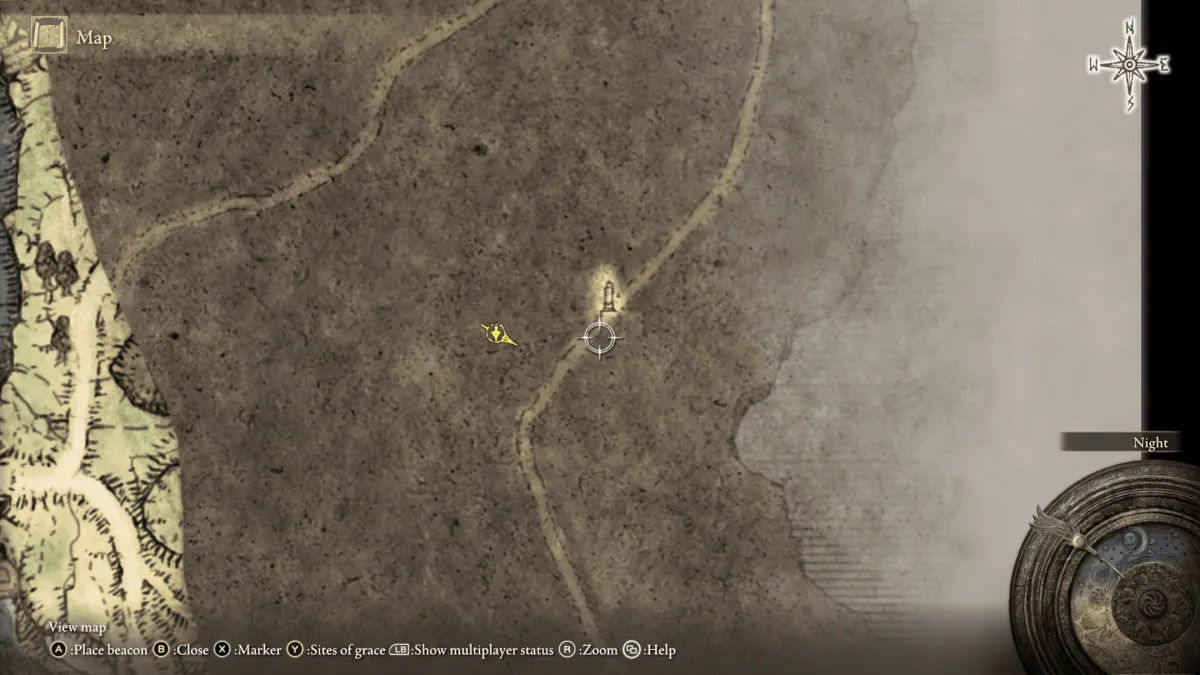 Photo: Elden Ring, via images.ctfassets.net
The Platform Wars
Different platforms handle day-one patches differently, creating additional complexity. PlayStation and Xbox automatically download patches for pre-ordered games, making the process largely invisible to users. Nintendo Switch patches often require manual initiation, creating more friction. PC platforms vary wildly in their approach.
This has led to platform-specific launch experiences. The same game might feel completely different on different systems, not because of hardware limitations, but because of patch delivery mechanisms.
The Positive Side: Live Development
Not all day-one patches represent failures of planning. Some represent genuine improvements based on feedback from review periods or beta tests. Baldur's Gate 3, for example, used its day-one patch to address player feedback about pacing and balance issues identified during early access.
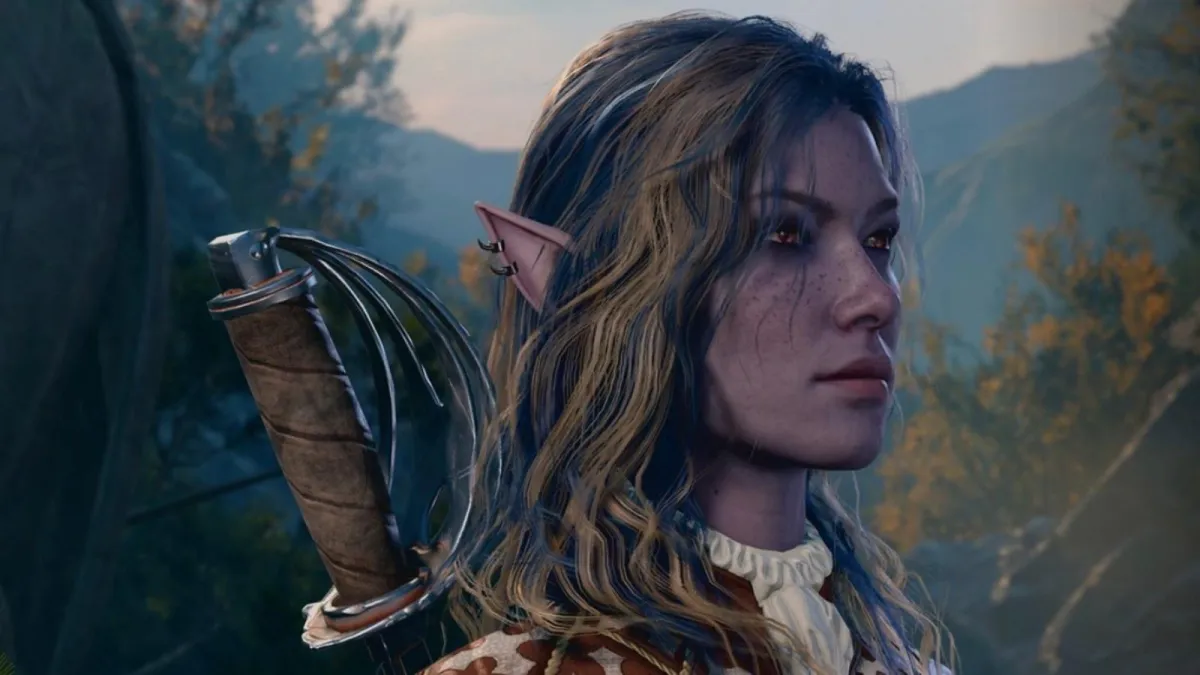 Photo: Baldur's Gate 3, via www.dexerto.com
This "live development" approach can result in better games, but it requires transparency about what's changing and why. Players are generally forgiving of patches that improve games; they're less tolerant of patches that fix problems that shouldn't have existed in the first place.
The Future of Launch Day
Several trends suggest day-one patches will become even more important:
Streaming Technology: As more games move to cloud platforms, the distinction between "shipping" and "patching" becomes meaningless. Every play session could potentially include updates.
AI-Driven Optimization: Machine learning systems could analyze player behavior in real-time and push optimization patches within hours of launch.
Modular Game Architecture: Future games might ship as base frameworks with content modules downloaded as needed, making traditional patching obsolete.
Setting Better Expectations
The industry needs to develop better communication around day-one patches. Players deserve to know:
- What specific issues the patch addresses
- How substantial the changes are
- Whether the pre-patch version is playable
- Estimated download sizes and times
Some publishers have started providing detailed patch notes before launch day, allowing consumers to make informed decisions about when to start playing.
The Verdict
Day-one patches have evolved from occasional fixes to essential launch components. While this trend enables more responsive development and can result in better games, it also represents a fundamental shift in how we think about game completion and consumer expectations.
The question isn't whether day-one patches will continue — they're here to stay — but whether the industry can implement them in ways that enhance rather than undermine the launch experience. For now, the safest advice for consumers remains frustratingly simple: expect to download a patch, and maybe wait a few days after launch to see how things shake out.
In the modern gaming landscape, the real launch day might not be when the game ships — it's when the first patch goes live.