With 2026 shaping up to be one of the most crowded release years in gaming history, franchise fatigue has never been more real. US consumers are making harder choices about where to spend their $70, and the old "buy it because it's [insert beloved franchise]" mentality is finally showing cracks. Some long-running series continue to surprise and evolve, while others feel like they're running on fumes and brand recognition.
We've ranked the major ongoing franchises by their creative fuel levels heading into 2026. This isn't about sales numbers or nostalgic attachment — it's about which series are genuinely pushing forward and which ones are coasting toward irrelevance.
RUNNING ON EMPTY
Assassin's Creed: The Annual Exhaustion Machine
Ubisoft's historical tourism simulator has become the poster child for franchise fatigue. Despite Mirage's attempt to return to series roots, the fundamental problem remains: Assassin's Creed has become a content factory optimized for engagement metrics rather than memorable experiences. Each entry feels like a reskinned checklist of towers to climb and collectibles to gather, wrapped in increasingly generic historical settings.
The series peaked with the Ezio trilogy over a decade ago and has been chasing that high ever since. Even when individual entries show promise — like Origins' RPG transformation or Black Flag's pirate fantasy — they're immediately diluted by sequels that copy the formula without understanding what made it work. For US players already drowning in open-world content, AC feels like homework disguised as entertainment.
Call of Duty: The Iteration Trap
Activision's military shooter juggernaut faces a crisis of relevance in an era where Fortnite and Valorant dominate the competitive landscape. While the series still sells millions of copies annually, cultural impact has flatlined. Each new entry feels like a marginal update to a formula that peaked during the Modern Warfare era.
The franchise's biggest problem isn't technical — the games remain technically competent — it's conceptual. COD hasn't had a genuinely surprising moment since Modern Warfare 2's airport level controversy. In a market where battle royales and hero shooters have redefined multiplayer gaming, COD feels like it's fighting yesterday's war.
HALF TANK
Pokémon: Coasting on Childhood
Game Freak's monster-collecting empire remains commercially unstoppable but creatively stagnant. Scarlet and Violet showed ambition with their open-world approach but launched in such a technically compromised state that they felt like expensive beta tests. The core loop remains addictive, but the series hasn't meaningfully evolved since the physical/special split in Generation IV.
The franchise survives on nostalgia and the gambling-adjacent thrill of shiny hunting, but younger players have alternatives like Genshin Impact that offer similar collection mechanics with significantly higher production values. Pokémon's cultural dominance masks underlying creative exhaustion.
FIFA/EA Sports FC: The Roster Update Dilemma
EA's soccer franchise exemplifies the sports game trap: how do you innovate on a simulation of a sport that doesn't change? Each year's entry adds minor tweaks to passing mechanics or introduces cosmetic features while the core experience remains identical. Ultimate Team's microtransaction model keeps revenue flowing, but actual gameplay innovation has stalled.
The series faces an existential challenge as younger players gravitate toward Rocket League and other arcade-style sports games that prioritize fun over realism. EA Sports FC feels trapped between simulation and entertainment, succeeding at neither.
STILL CRUISING
The Legend of Zelda: The Innovation Engine
Nintendo's adventure series proves that even decades-old franchises can reinvent themselves. Breath of the Wild didn't just change Zelda — it influenced an entire generation of open-world design. Tears of the Kingdom doubled down on player creativity, turning Link into a physics-defying engineer.
The series succeeds because it treats each entry as an opportunity to question fundamental assumptions about game design. While other franchises add features, Zelda reimagines possibilities. It's the difference between iteration and evolution.
Resident Evil: The Reinvention Masters
Capcom's survival horror franchise has undergone multiple successful reinventions, from action-horror hybrid to first-person terror to remake perfection. The RE2 and RE4 remakes demonstrated how to honor legacy while embracing modern design sensibilities.
The series maintains relevance by understanding that horror evolves with cultural anxieties. Each era's Resident Evil reflects contemporary fears while maintaining the franchise's core identity. It's a masterclass in adaptation without compromise.
FULL TANK
From Software's Souls Series: The Mastery Paradigm
From Demon's Souls through Elden Ring, FromSoftware has consistently refined and expanded their formula without diluting its essence. Each entry introduces meaningful innovations — multiplayer integration, open-world structure, mounted combat — while maintaining the challenging core that defines the experience.
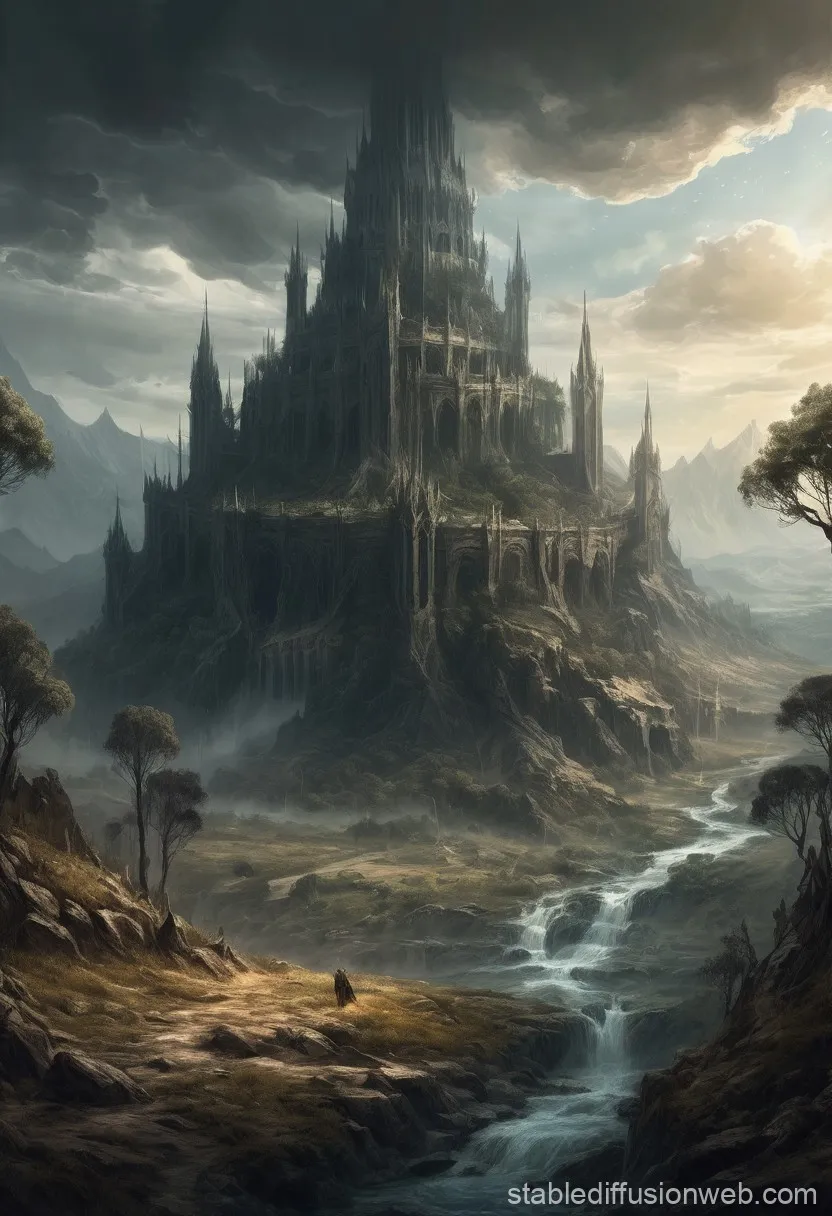 Photo: Elden Ring, via imgcdn.stablediffusionweb.com
The series succeeds because it respects player intelligence and commitment. In an era of hand-holding and accessibility options, Souls games trust players to overcome adversity through skill and persistence. It's a philosophy that resonates particularly strongly with US players raised on "git gud" culture.
God of War: The Maturity Arc
God of War (2018) achieved something unprecedented: completely reimagining a franchise's tone and mechanics while maintaining its essential identity. The shift from Greek rage-fest to Norse introspection could have been a disaster, but Santa Monica Studio understood that Kratos needed to grow alongside his audience.
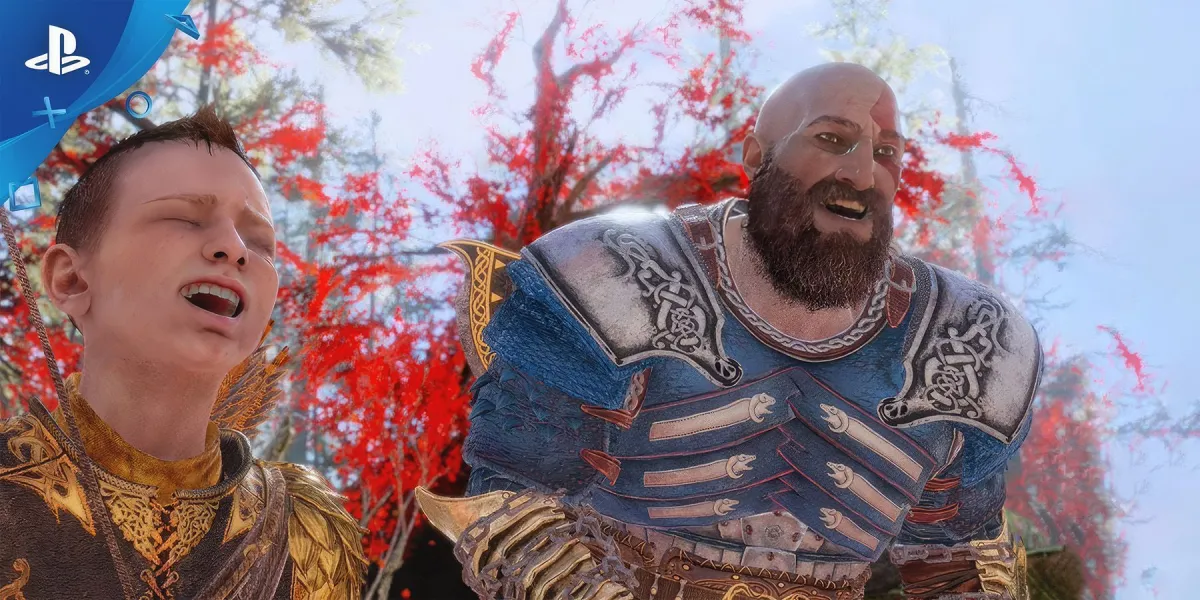 Photo: God of War, via static0.gamerantimages.com
The series now explores themes of parenthood, redemption, and legacy — concepts that resonate with the aging PlayStation demographic. It's franchise evolution that feels organic rather than calculated, growth that enhances rather than replaces what came before.
The 2026 Reality Check
As US consumers face an increasingly expensive hobby with limited time for gaming, franchise fatigue becomes a purchasing decision. The series that understand this — that respect player time and intelligence — will thrive. Those that don't will join the graveyard of once-beloved franchises that forgot why players loved them in the first place.
The winners aren't necessarily the biggest sellers, but the series that still surprise their own creators.