
You've been playing for thirty hours. You've mastered the combat system, explored every corner of the world, and fallen in love with the story. Then you hit that boss — the one that makes you question everything you thought you knew about the game. After your fifteenth death, you start to wonder: is this really meant for me?
Welcome to the world of gatekeeper bosses, those deliberately punishing encounters that stand between casual players and a game's most rewarding content. These aren't your typical difficulty spikes or poorly balanced encounters. They're intentional design choices that serve as filters, separating players who are willing to push through frustration from those who aren't.
The Philosophy Behind the Wall
Gatekeeper bosses operate on a simple but controversial principle: not all content is meant for all players. Unlike traditional difficulty curves that gradually ramp up challenge, these encounters create sharp dividing lines in the player experience.
Take Elden Ring's Malenia, Blade of Miquella — arguably the most notorious gatekeeper boss in recent memory. FromSoftware didn't just make her difficult; they made her specifically difficult in ways that test every skill the game has taught you. Her Waterfowl Dance attack alone has probably ended more playthroughs than any other single mechanic in gaming history.
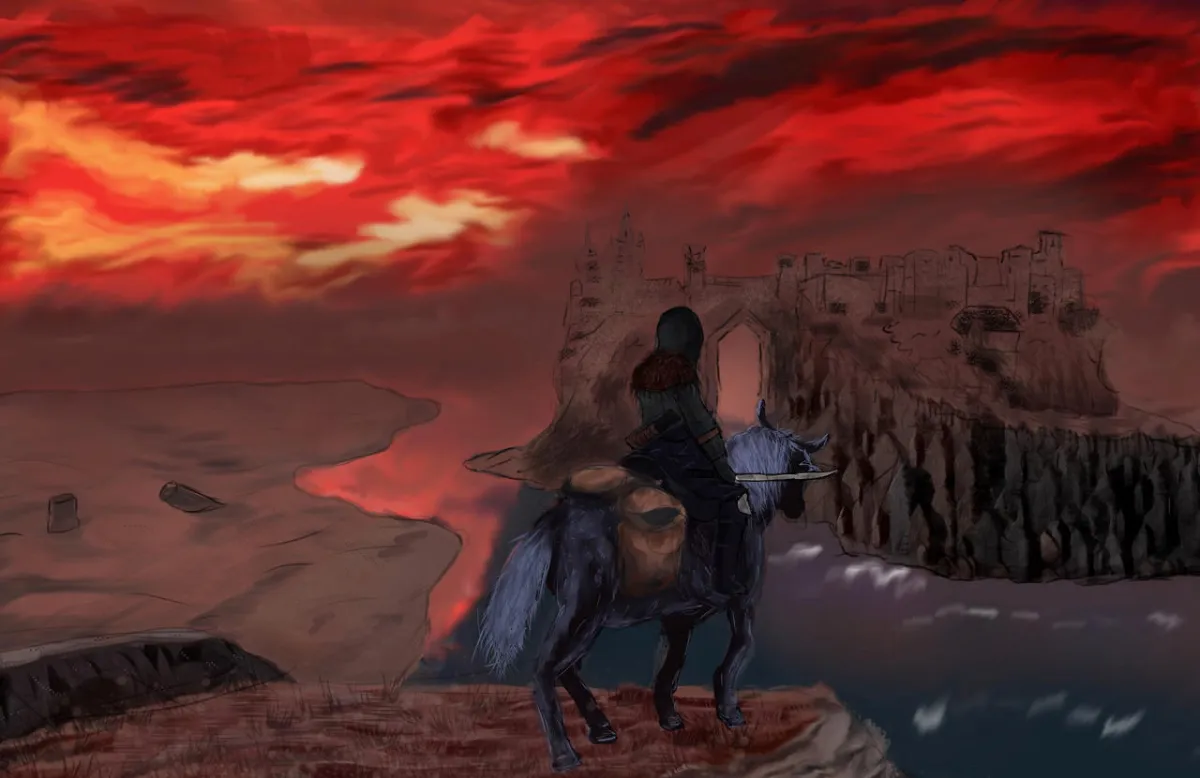 Photo: Elden Ring, via images-wixmp-ed30a86b8c4ca887773594c2.wixmp.com
But here's the thing: Malenia is entirely optional. She guards some of the game's most powerful items and lore revelations, but you can roll credits without ever setting foot in her arena. This is gatekeeper design at its most pure — the best rewards are there for those willing to earn them, but the core experience remains accessible to everyone.
The Hollow Knight Method
Team Cherry's approach in Hollow Knight represents perhaps the most sophisticated implementation of gatekeeper design. The game presents multiple tiers of gatekeepers, each unlocking progressively more exclusive content.
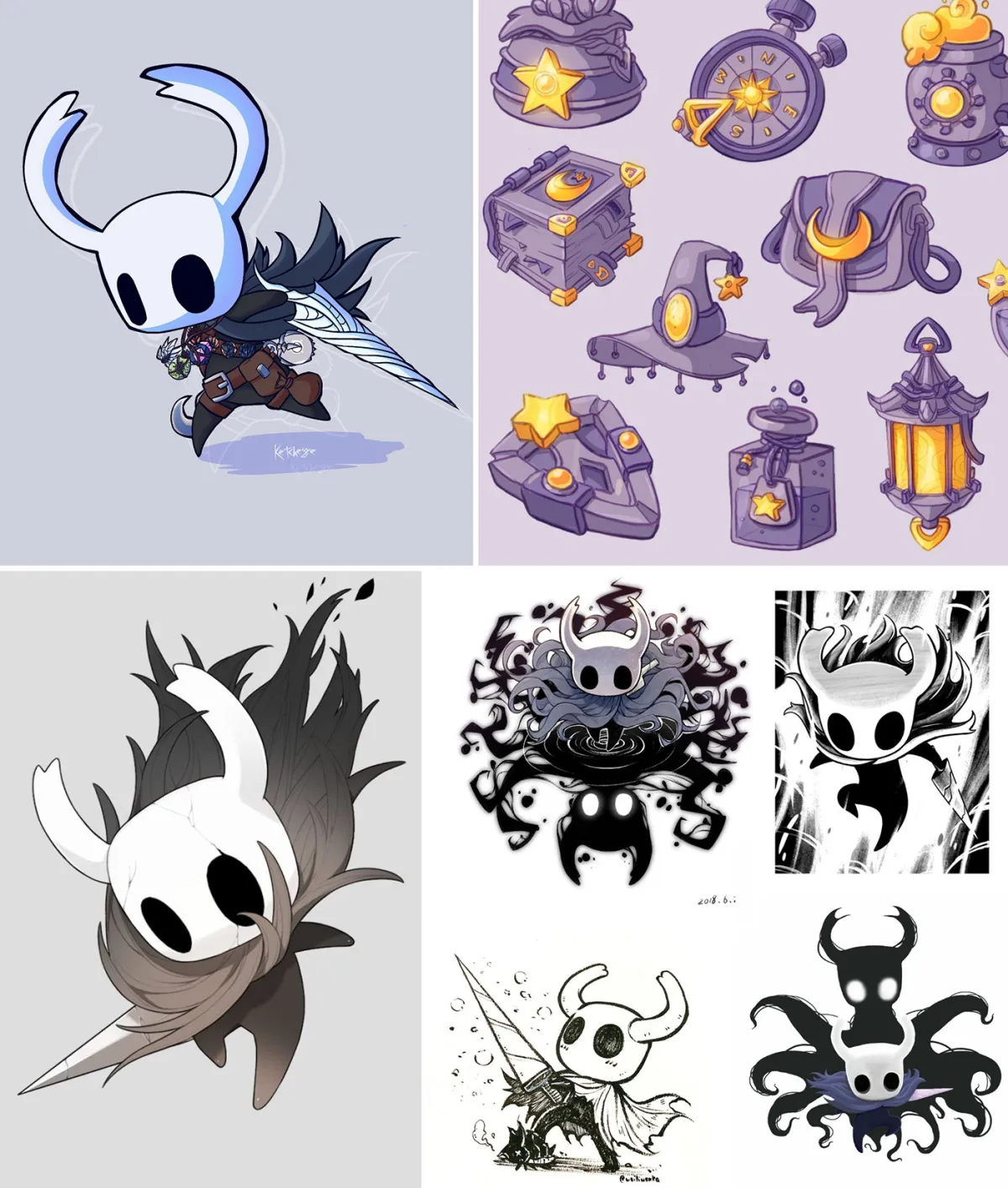 Photo: Hollow Knight, via mir-s3-cdn-cf.behance.net
The basic ending? Achievable by most players willing to stick with the game's challenging but fair combat system. The true ending? That requires defeating the Hollow Knight in a specific way that many players never discover. The secret ending? You'll need to conquer the Path of Pain, a platforming gauntlet so brutal it makes Dark Souls look like a children's game.
Each gatekeeper boss in Hollow Knight — from the Radiance to the Nightmare King Grimm — doesn't just test your reflexes. They test your dedication to the world and your willingness to engage with the game's deepest systems. The reward isn't just better gear or a different cutscene; it's access to entirely different interpretations of the story.
The Community Effect
Gatekeeper bosses create something unique in gaming culture: genuine exclusivity in an age where everything is eventually streamlined for mass consumption. When only 2.3% of Elden Ring players have defeated Malenia (according to PlayStation trophy data), beating her becomes a genuine achievement that carries weight in gaming communities.
This creates what developers call "aspirational content" — goals that drive engagement long after the main story concludes. Players who might have moved on to other games instead find themselves returning, practicing, theorycrafting, and building communities around shared struggle.
Hades demonstrates how this can work in more accessible ways. The game's early endings are achievable by most players, but the true conclusion requires dozens of escape attempts and deep engagement with the relationship system. Supergiant Games created gatekeepers based on time investment and narrative curiosity rather than pure mechanical skill.
The Dark Side of Gatekeeping
Not every implementation succeeds. When gatekeeper bosses feel unfair rather than challenging, they can alienate the very audiences games are trying to build. The key difference lies in whether players feel like they're being tested or punished.
Poorly designed gatekeepers often suffer from what players call "fake difficulty" — mechanics that feel random, unfair, or dependent on luck rather than skill. When a boss kills you because of unclear visual communication or unforgiving timing windows, it stops being a test of dedication and becomes a source of frustration.
The most successful gatekeeper encounters share several characteristics: they're fair (even when brutal), they teach you something about the game's systems, and they feel thematically appropriate to the content they're protecting.
The Psychology of Earned Rewards
Behavioral psychology explains why gatekeeper bosses can be so effective. The principle of "effort justification" suggests that we value things more highly when we've worked harder to obtain them. A secret area discovered after hours of struggle feels more meaningful than one handed to you through a simple key.
This creates what game designers call "memorable moments" — experiences that stick with players long after they've finished playing. Ask any Souls veteran about their first time defeating Ornstein and Smough, and you'll get a detailed story. Ask them about the boss they beat on the first try, and you'll get a shrug.
Finding the Balance
The most successful games with gatekeeper bosses offer multiple paths to engagement. Elden Ring provides spirit summons and cooperative play for players who want to experience the content but struggle with the mechanical demands. Hollow Knight offers different endings for different skill levels. Hades makes every run feel meaningful, even failed ones.
The key is ensuring that gatekeeper encounters feel like opportunities rather than barriers. When players walk away from these bosses feeling like they learned something — about the game, about themselves, or about the story — the design succeeds. When they walk away feeling excluded or frustrated, it fails.
The Future of Exclusive Content
As games become increasingly service-oriented and focused on broad accessibility, gatekeeper bosses represent something of a throwback to arcade-era design philosophy. But they're not disappearing — they're evolving.
Modern implementations often include multiple difficulty options, assist modes, or alternative paths to the same content. The goal isn't to exclude players permanently but to provide different types of satisfaction for different types of engagement.
Worth the Climb?
Gatekeeper bosses will always be controversial because they force developers to make a choice: design for everyone, or design for dedication. The best implementations manage to do both, creating accessible core experiences while rewarding deeper engagement.
Whether you love them or hate them, gatekeeper bosses serve an important function in modern gaming — they remind us that some things are still worth working for, and that the sweetest victories come after the hardest fights.