Picture this: you've spent 60 hours grinding through an epic RPG, your party is perfectly leveled, your gear is optimized, and you're finally face-to-face with the big bad who's been terrorizing the world. Your finger hovers over the attack button, adrenaline pumping... and then they start talking. And talking. And talking some more.
Welcome to the era of the Lore Dump Boss, where final villains have apparently enrolled in a masterclass on How to Kill Your Own Dramatic Tension.
When Exposition Becomes the Real Enemy
Modern games have developed an unfortunate habit of treating their final boss encounters like mandatory history lectures. Instead of letting players experience the culmination of their journey through action, developers seem convinced that we need every plot thread explained in excruciating detail right when the stakes should feel highest.
Take recent JRPGs that shall remain nameless (but you know the ones). These games build incredible momentum over dozens of hours, only to slam on the brakes when it matters most. The final boss transforms into a exposition professor, delivering monologues that would make Shakespeare's Hamlet tell them to get to the point already.
The problem isn't that story matters—it absolutely does. The problem is timing. When players are psyched up for the ultimate confrontation, forcing them to sit through 20 minutes of villain backstory feels like being served a lecture when you ordered a five-course meal.
The Art of Environmental Storytelling
The best boss fights understand that action and narrative aren't enemies—they're dance partners. Look at how games like Dark Souls handle their most memorable encounters. The Nameless King doesn't need to explain his tragic fall from grace because every swing of his weapon tells that story. The crumbling arena, the storm clouds, the way he hesitates before certain attacks—it all communicates character without a single word.
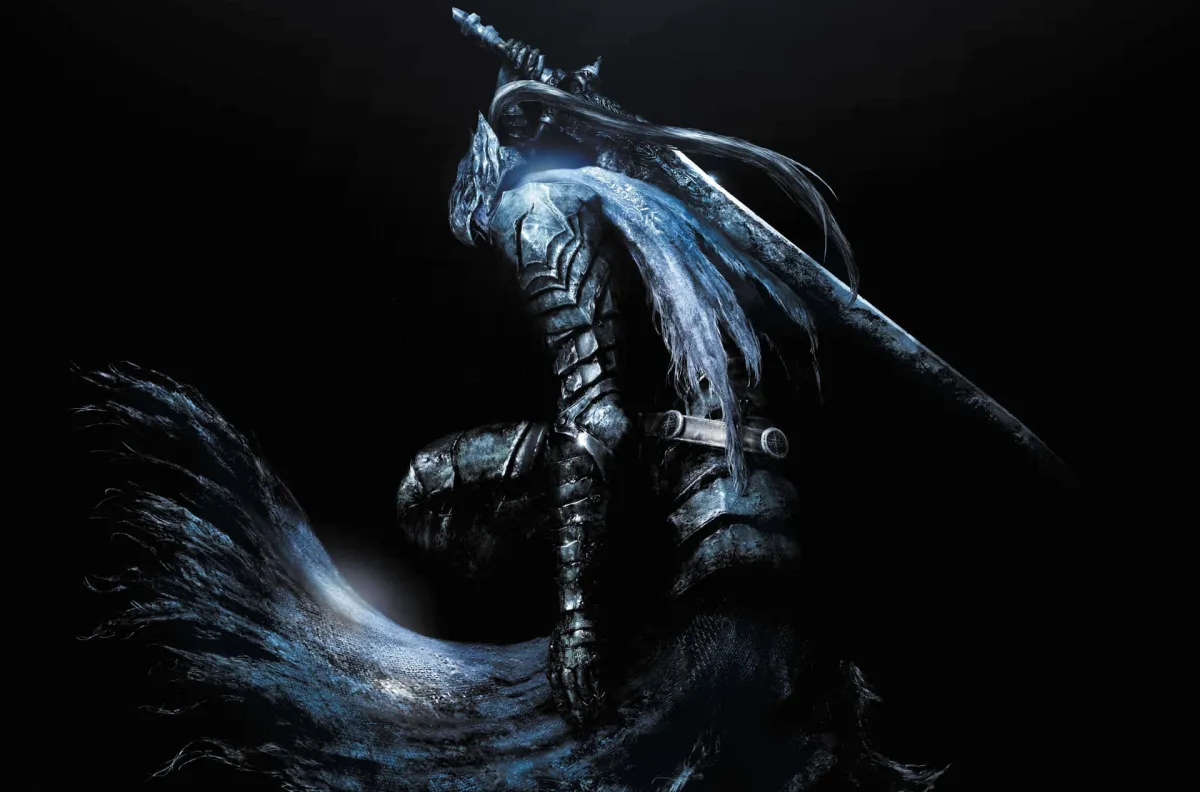 Photo: Dark Souls, via wallpapers.com
Similarly, God of War (2018) masterfully weaves exposition into combat. When Kratos faces the Stranger, we learn about both characters through their fighting styles, their reactions to damage, and the way they adapt to each other's moves. The story unfolds through violence, not in spite of it.
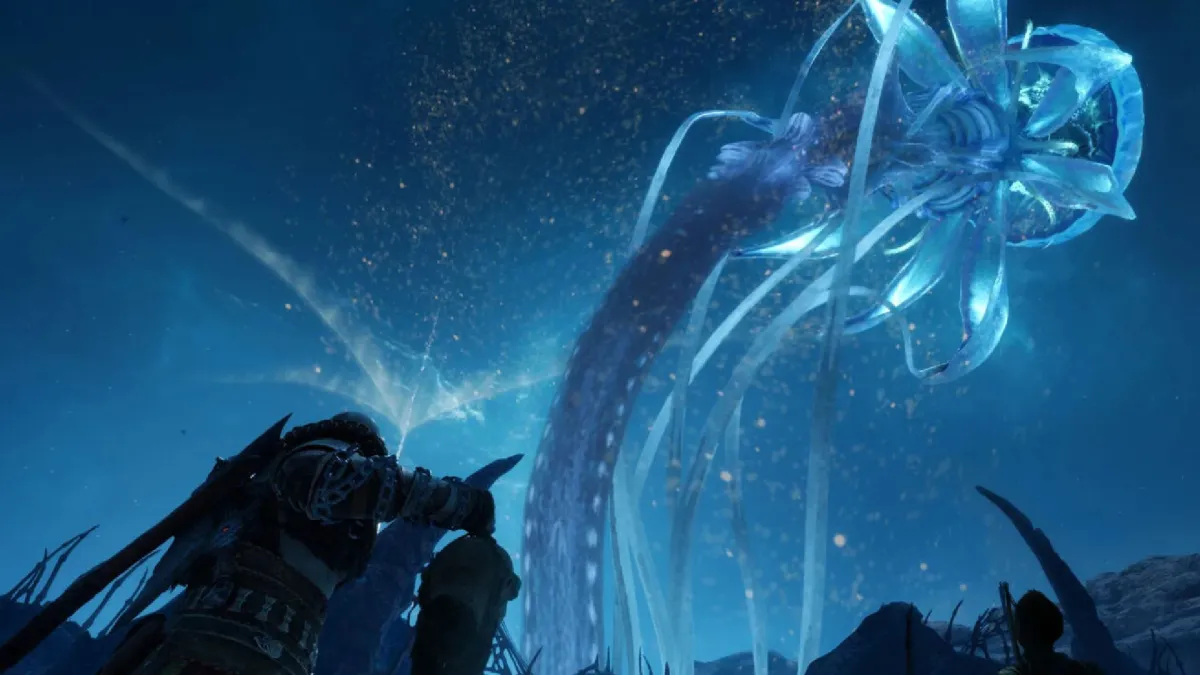 Photo: God of War, via www.theloadout.com
This approach respects something crucial: players are smart enough to pick up on subtext. We don't need every emotional beat spelled out when the gameplay itself can communicate those same ideas more powerfully.
The Pacing Problem
There's a rhythm to great boss encounters that lore dumps completely destroy. The best fights build tension through phases—starting manageable, ramping up difficulty, throwing in surprises, and culminating in an all-or-nothing final phase. It's a carefully orchestrated emotional roller coaster.
But when developers interrupt this flow with lengthy cutscenes, they're essentially asking players to get off the roller coaster, sit through a PowerPoint presentation, and then hop back on expecting the same emotional investment. It doesn't work that way.
The worst offenders are games that do this multiple times during a single fight. You'll knock the boss down to 75% health, trigger a cutscene about their tragic childhood. Drop them to 50%, get another monologue about their twisted philosophy. Hit 25%, and suddenly they're explaining the metaphysical implications of their evil plan.
By the time you're actually fighting again, the momentum is deader than the boss should be.
Show, Don't Tell (Especially During Combat)
The golden rule of storytelling applies double to boss fights: show, don't tell. Instead of having villains explain why they're tragic figures, make their attacks reflect their internal conflict. Instead of monologuing about their master plan, have the environment change to show its effects.
Bloodborne nails this approach with its cosmic horror bosses. When you face something like the Moon Presence, you don't get a lecture about Lovecraftian themes—you experience them. The boss's alien movements, the way reality seems to bend around it, the player's own transformation—these elements communicate the story's themes more effectively than any dialogue could.
Even in more traditional fantasy settings, this principle holds. A corrupted knight boss who still tries to protect innocent NPCs during the fight tells us more about their character than a speech about honor and duty ever could.
The Goldilocks Zone of Boss Exposition
This isn't to say that boss fights should be completely wordless. Some exposition can enhance the experience—it just needs to be the right amount, delivered at the right time. The key is integration.
Great boss encounters sprinkle story beats throughout the fight rather than front-loading everything. A villain might taunt the player between phases, revealing character details that recontextualize their attacks. Or maybe environmental storytelling in the arena tells the real story while the boss focuses on being, well, a boss.
The Metal Gear Solid series often handles this beautifully. Boss fights in those games frequently include dialogue, but it's woven into the combat itself. Characters talk while fighting, their words punctuated by gunfire and explosions. The conversation enhances the action rather than replacing it.
Less Talk, More Rock
Ultimately, final boss fights should feel like climaxes, not epilogues. They're the payoff for everything that came before—the moment when all that preparation and progression gets put to the ultimate test. When developers bog down these moments with excessive exposition, they're essentially asking players to pause the movie right before the big explosion to read the director's commentary.
The best final bosses understand that sometimes the most powerful story moment is when the talking stops and the real fight begins. They trust that players have been paying attention, that we understand the stakes, and that we're ready to settle this the way it should be settled—with skill, strategy, and maybe just a little bit of button mashing.
After all, actions speak louder than words, especially when those actions involve dodging screen-filling laser beams and landing perfectly timed counters. Save the monologue for the victory cutscene—we've got a world to save.