There's a moment in Undertale where you're locked in combat with Toriel, the motherly figure who's protected you throughout the ruins. Your finger hovers over the attack button, but suddenly the game isn't asking whether you can defeat her — it's asking whether you should. This is the morality checkpoint in action: that split second where a boss fight transforms from a test of skill into a test of character.
These encounters represent the apex of narrative design in gaming. Unlike traditional moral choices that happen in cutscenes or dialogue trees, morality checkpoints force players to make ethical decisions while adrenaline is pumping and reflexes are engaged. The result? Choices that stick with players long after the credits roll.
When Combat Becomes Philosophy
The genius of morality checkpoints lies in their timing. Traditional RPG morality systems give you time to weigh options, read through dialogue trees, and consider consequences. But when you're mid-combo against a boss and suddenly presented with a moral fork in the road, your response becomes instinctual — revealing who you really are as a player.
Take Shadow of the Colossus, where each towering boss fight gradually shifts from triumph to tragedy. As Wander drives his sword into each colossus, the game forces you to witness their pain, their confusion, their slow collapse. You're not just defeating enemies; you're participating in something that feels increasingly wrong. The morality checkpoint isn't a single moment but a gradual realization that victory might be the real defeat.
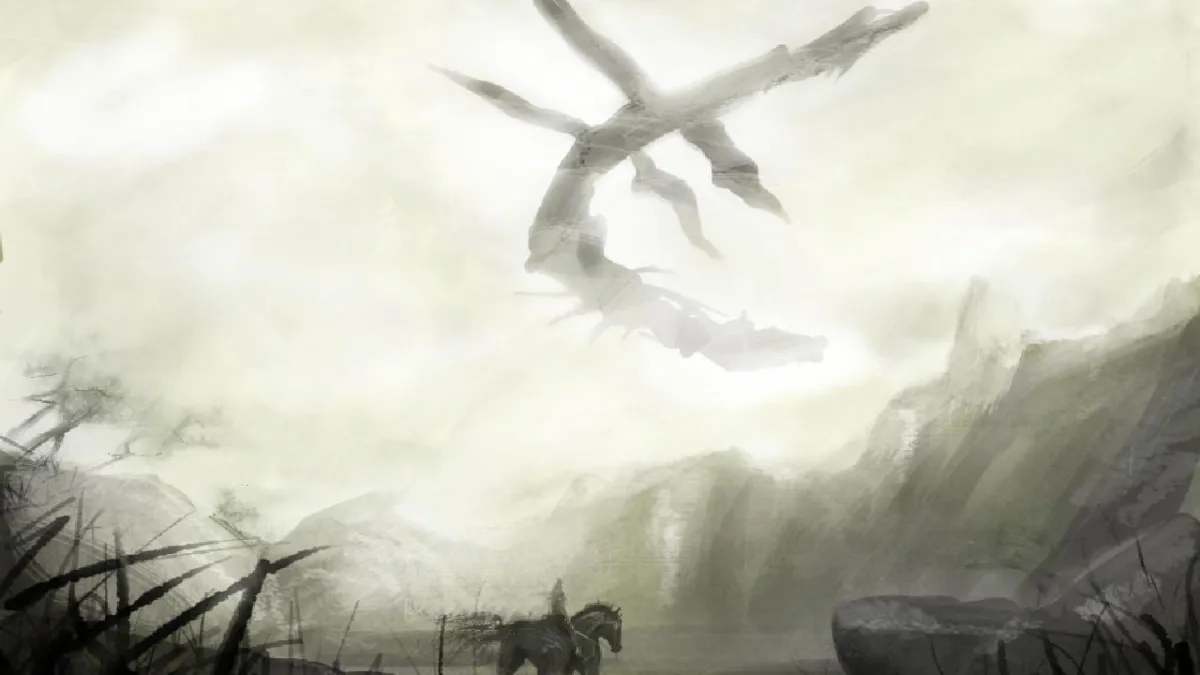 Photo: Shadow of the Colossus, via wallup.net
Spec Ops: The Line takes this concept even further, stripping away the fantasy elements to confront players with stark military realities. The white phosphorus sequence doesn't give you a clean moral choice — it forces you to commit an atrocity to progress, then shows you the consequences. It's a morality checkpoint that works in reverse: instead of offering redemption, it ensures complicity.
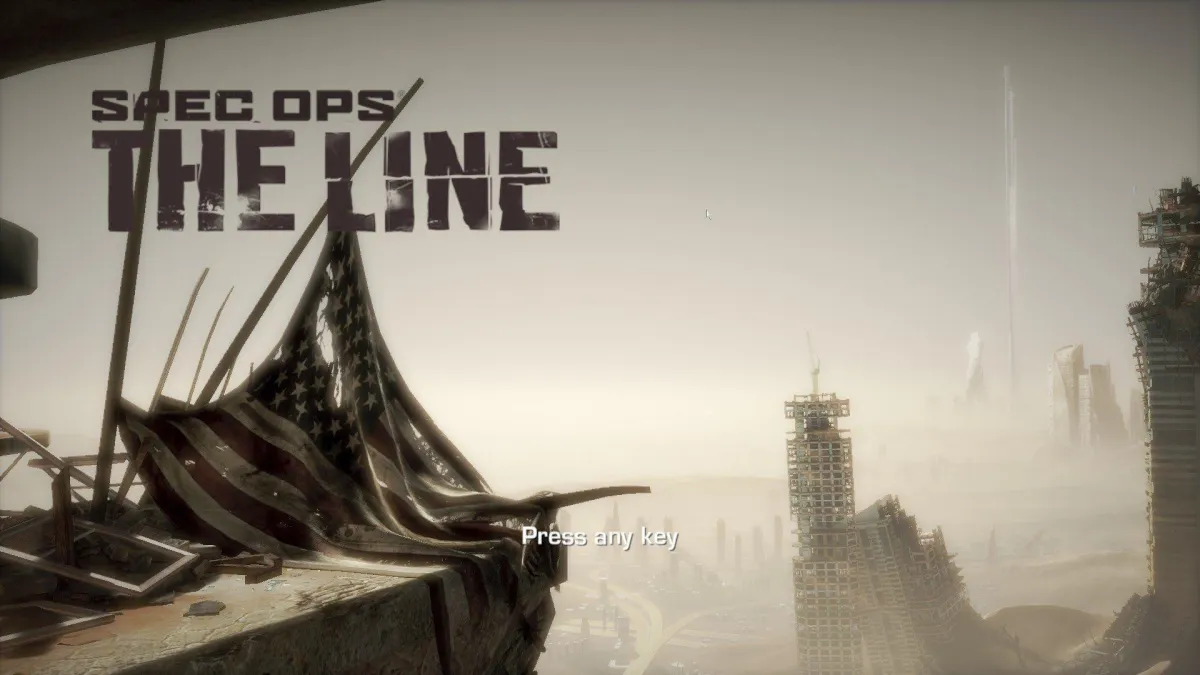 Photo: Spec Ops: The Line, via wallpapercave.com
The Architecture of Regret
Modern developers are increasingly engineering regret into their boss encounters. They're learning that the most memorable fights aren't necessarily the hardest ones — they're the ones that make you question whether winning was worth it.
Nier: Automata perfects this formula across multiple playthroughs. What seems like a straightforward action game reveals itself as an exploration of consciousness, free will, and the nature of conflict. Boss fights that felt heroic in your first playthrough become heartbreaking when you understand the full context. The game doesn't just change your perspective on the story — it changes your relationship with the combat itself.
Indie developers have embraced this approach with particular creativity. GRIS presents boss encounters that aren't really fights at all, but manifestations of grief and trauma that must be understood rather than conquered. Celeste frames its anxiety-monster boss as something to be accepted rather than defeated. These games understand that the most powerful morality checkpoints don't always involve choosing between good and evil — sometimes they involve choosing between different forms of healing.
The Choice Paradox
Here's the beautiful paradox of morality checkpoints: the choice itself often matters less than the fact that you're forced to make one. Games like Papers, Please prove this brilliantly. As an immigration inspector, you're constantly making split-second decisions about who deserves entry and who doesn't. Each choice feels like a boss fight against your own conscience.
The most effective morality checkpoints don't have clear right answers. The Stanley Parable builds its entire structure around this principle, turning every player choice into a boss fight against the narrator's expectations. When the game asks you to press a button or walk through a door, it's really asking you to define your relationship with agency itself.
Bioshock Infinite's ending sequence exemplifies this approach. The final "boss fight" isn't against a monster or enemy soldier — it's against the revelation of who Booker DeWitt really is. The morality checkpoint forces you to confront not just what your character has done, but what you, as a player, have been complicit in throughout the entire game.
The Evolution of Interactive Ethics
As gaming matures as a medium, developers are finding increasingly sophisticated ways to integrate moral complexity into boss encounters. Red Dead Redemption 2 doesn't just give you honor points for your choices — it changes Arthur Morgan's entire character arc based on how you approach conflict. The final boss fights feel completely different depending on whether you've been playing as an outlaw seeking redemption or a man embracing his worst instincts.
Disco Elysium takes this evolution to its logical conclusion, turning every conversation into a potential boss fight against your own preconceptions. The game's skill system doesn't just affect combat effectiveness — it affects your ability to understand moral complexity itself.
Virtual reality is opening new frontiers for morality checkpoints. When you're physically present in a virtual space, moral choices carry additional weight. Half-Life: Alyx demonstrates this with encounters that feel uncomfortably real, where your physical actions carry emotional consequences that traditional gaming can't match.
Beyond Good and Evil
The future of morality checkpoints lies not in simple binary choices, but in complex ethical frameworks that reflect real-world moral ambiguity. Games are beginning to understand that the most interesting moral choices aren't between good and evil, but between competing goods or necessary evils.
The Witcher 3 exemplifies this approach with boss encounters that force you to choose between saving one group at the expense of another, or making deals with monsters who might be more ethical than the humans hunting them. These aren't morality checkpoints with clear answers — they're invitations to wrestle with impossible decisions.
As we move forward, the best games will continue to use boss fights as opportunities for moral reflection. Because ultimately, the most memorable encounters aren't just about testing your reflexes or strategy — they're about testing your soul.
The morality checkpoint represents gaming's unique contribution to storytelling: the ability to make the audience complicit in the narrative, to force them to own their choices in ways that passive media never could. And that's what makes these boss fights truly unforgettable — they don't just challenge your skills, they challenge your values.