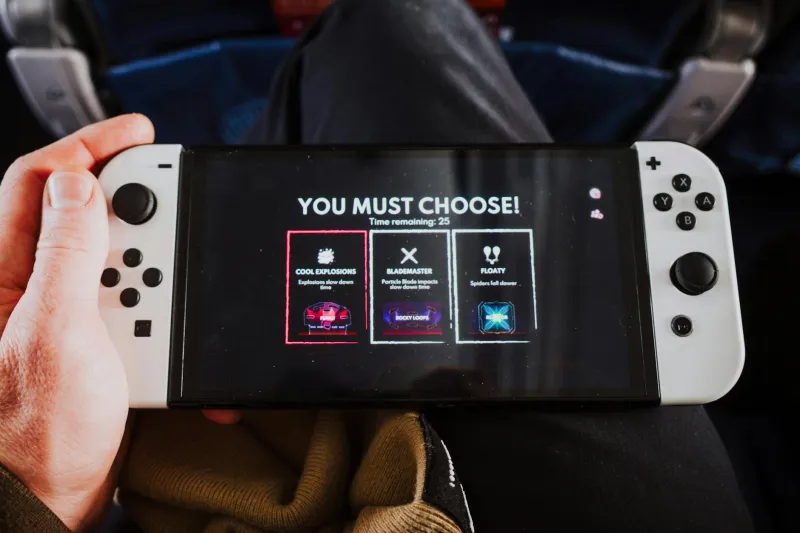
You've just watched the credits roll on your latest gaming obsession. Forty hours well spent, boss conquered, story concluded. Then the game hits you with that familiar prompt: "Start New Game Plus?" Your finger hovers over the button, caught between the promise of carrying your hard-earned progress into a fresh playthrough and the nagging suspicion that you're about to turn a beloved experience into homework.
New Game Plus has become gaming's most divisive feature — a design philosophy that either rewards mastery or exploits completionist anxiety, depending on who's implementing it. For US players especially, where gaming time competes with increasingly demanding work schedules and streaming backlogs, the question isn't just whether NG+ is good design. It's whether it respects your time.
The Promise vs. The Reality
At its best, New Game Plus transforms a completed game into a power fantasy playground. Think The Witcher 3, where carrying Geralt's arsenal and abilities into a fresh playthrough lets you tackle early encounters with late-game swagger. Suddenly, that griffin that terrorized you in White Orchard becomes a warm-up exercise. You're not just replaying content — you're experiencing it through the lens of mastery.
 Photo: The Witcher 3, via static1.srcdn.com
But for every Witcher 3, there's a game that treats NG+ as a lazy content multiplier. These implementations dump you back at the beginning with minor stat boosts, expecting you to slog through identical cutscenes and fetch quests for the privilege of accessing "true" ending content. It's the gaming equivalent of making you eat your vegetables before dessert, except the vegetables are the same meal you just finished.
The Mastery Divide
The best NG+ modes understand that replay value comes from transformation, not repetition. Persona 5 Royal exemplifies this philosophy by letting players skip through social link conversations they've already maxed, while maintaining the strategic depth of demon fusion and palace infiltration. The game respects that you've already learned these systems and trusts you to engage with them on a higher level.
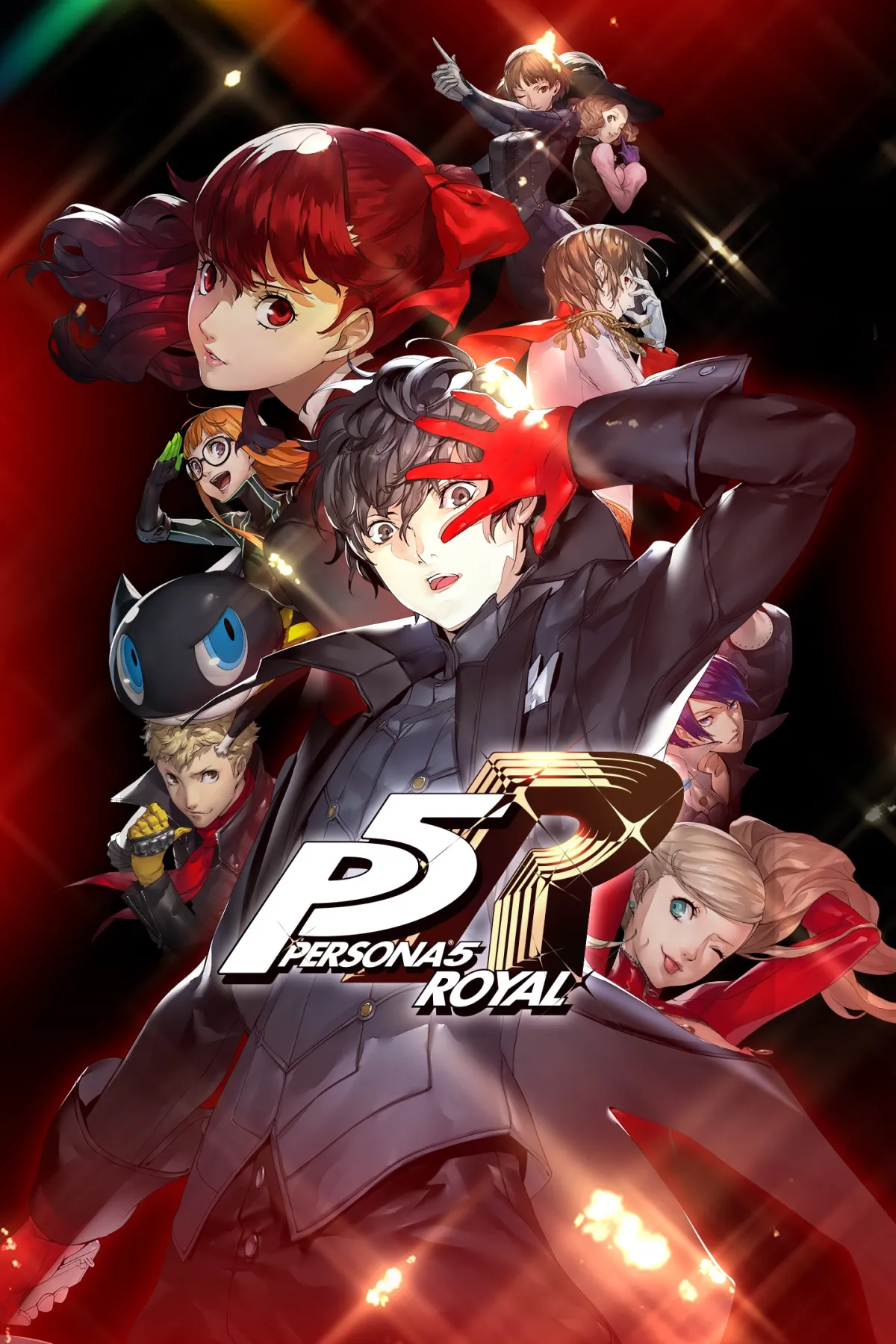 Photo: Persona 5 Royal, via store-images.s-microsoft.com
Contrast this with games that lock essential story content behind multiple playthroughs without meaningfully changing the gameplay loop. These titles mistake busywork for replayability, assuming that players will gladly repeat dozens of hours of content for a few minutes of new material. It's a calculation that might have worked in the arcade era, but feels increasingly tone-deaf in an attention economy where new releases drop weekly.
The American Time Crunch
US gaming culture has a particular relationship with time investment that makes NG+ especially fraught. Where Japanese players might approach multiple playthroughs as meditative repetition, American gaming culture tends to view time as a finite resource to be optimized. We're the market that popularized achievement hunting, speedrunning, and "games as a service" — all approaches that emphasize efficiency over contemplation.
This cultural context makes poorly implemented NG+ modes feel particularly insulting. When NieR: Automata requires multiple playthroughs to experience its complete narrative, it's asking US players to trust that the payoff justifies the time investment. The game succeeds because each "replay" fundamentally changes the experience — you're not just seeing the same events from a different perspective, you're playing an entirely different genre.
The Padding Problem
The worst NG+ implementations reveal themselves as content padding disguised as replay value. These are the games that gate their "true" endings behind multiple playthroughs, not because the additional runs enhance the narrative or gameplay, but because they need to hit a certain hour count for marketing purposes.
This approach fundamentally misunderstands what makes games replayable. Players don't return to Dark Souls because the game forces them to — they return because mastery feels genuinely transformative. Each playthrough reveals new build possibilities, hidden secrets, and strategic approaches. The game doesn't need to bribe you with exclusive content because the core loop itself evolves with your understanding.
When NG+ Gets It Right
Successful NG+ modes share several key characteristics. They preserve player agency by making the second playthrough optional for story completion. They introduce meaningful variations — new enemy placements, altered dialogue, or unlocked areas — that justify retreading familiar ground. Most importantly, they respect that players have already demonstrated mastery and adjust the experience accordingly.
Ghost of Tsushima nails this balance by treating NG+ as a victory lap rather than a requirement. Players who choose to replay can experiment with different combat styles or pursue completion goals they missed, but the core narrative experience remains complete without additional runs. It's NG+ as genuine bonus content, not artificial gate-keeping.
The Verdict
New Game Plus isn't inherently good or bad design — it's a tool that reveals a developer's respect for player time and intelligence. The best implementations treat NG+ as a reward for engagement, offering meaningfully different experiences that justify the time investment. The worst use it as a crutch to artificially extend playtime without adding genuine value.
For US players navigating an increasingly crowded release calendar, the message is clear: your time has value, and games that don't acknowledge this in their NG+ design probably don't deserve a second playthrough anyway.