The Secret Language of Boss Design
Every veteran gamer has experienced that moment: you're deep into your fifteenth attempt against a seemingly impossible boss when something clicks. Maybe it's a subtle audio cue you finally noticed, or the way the enemy's stance shifts just before a devastating attack. Suddenly, what felt like an insurmountable wall becomes a carefully choreographed dance. You've just discovered one of gaming's best-kept secrets — the phantom health bar.
Unlike the obvious red meter slowly depleting at the top of your screen, phantom health bars represent invisible mechanical systems that reward players who dig deeper than surface-level button mashing. These hidden layers of complexity separate the casual weekend warriors from the obsessive completionists, creating a two-tiered experience that speaks to different types of players simultaneously.
FromSoftware's Master Class in Hidden Depth
No studio understands this philosophy better than FromSoftware. While most players see Dark Souls bosses as damage sponges with predictable attack patterns, dedicated fans have uncovered intricate posture systems, elemental weaknesses that shift mid-fight, and alternate phase triggers that completely recontextualize entire encounters.
Take the Nameless King from Dark Souls III. Casual players might spend hours chipping away at his massive health pool, never realizing that targeting his dragon mount's head triggers a completely different phase transition. The boss doesn't tell you this — there's no tutorial popup or glowing weak point. Instead, it rewards players who experiment with targeting, observe animation tells, and refuse to accept the obvious strategy as the only strategy.
 Photo: Dark Souls III, via image.api.playstation.com
This design philosophy extends beyond individual encounters. Sekiro's posture system fundamentally reimagined what a "health bar" could represent, hiding the game's true combat depth behind a mechanic that many players initially ignored. The phantom health bar here wasn't health at all — it was confidence, balance, and the mental state of your opponent.
The JRPG Underground
While Western developers often prioritize accessibility and clear communication, Japanese RPGs have long embraced the art of mechanical obfuscation. Games like Shin Megami Tensei and Persona hide complex buff stacking systems, elemental calculation matrices, and turn order manipulation mechanics that can completely trivialize encounters — if you know they exist.
The recent Persona 5 Royal exemplifies this approach. Surface-level players might never discover that certain boss encounters have hidden "desperation thresholds" where AI behavior fundamentally shifts based on invisible damage calculations. These aren't bugs or oversights — they're deliberate design choices that reward system mastery over raw persistence.
Even more mainstream titles like Final Fantasy XIV incorporate phantom mechanics into their raid design. The game's most challenging encounters often feature hidden damage windows, positioning requirements that aren't explicitly communicated, and buff interactions that exist purely for players willing to dig into combat logs and frame data.
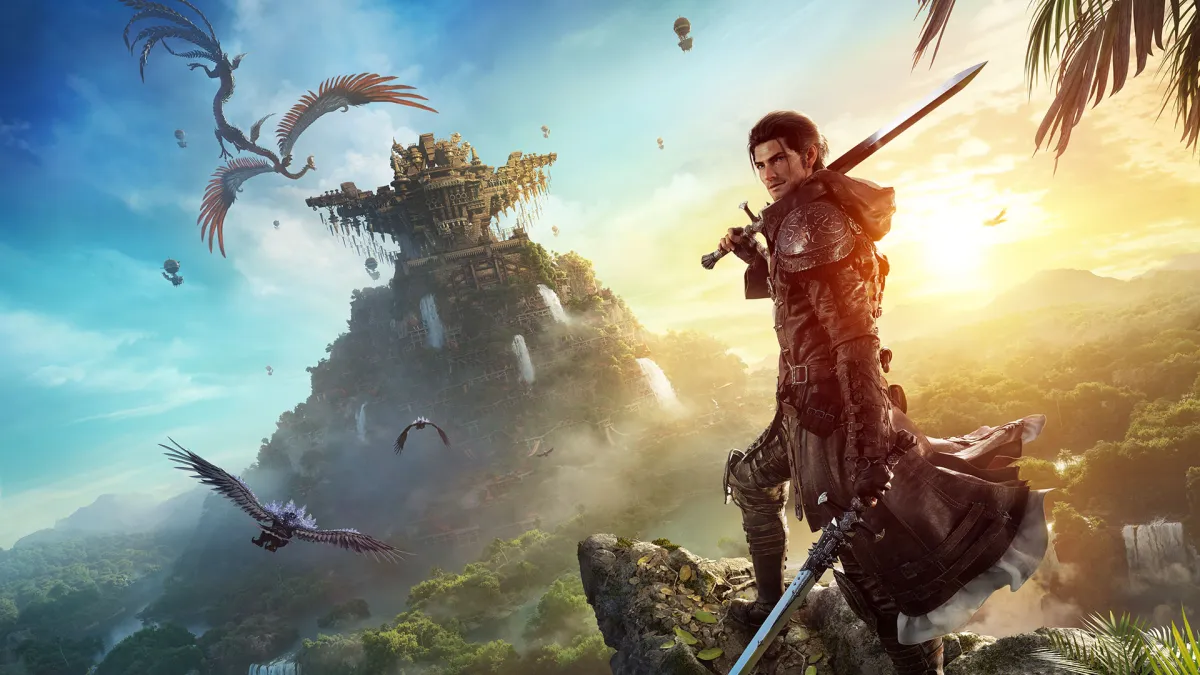 Photo: Final Fantasy XIV, via lds-img.finalfantasyxiv.com
Why Developers Hide Their Best Work
On the surface, hiding crucial game mechanics seems counterintuitive. Why would developers invest hundreds of hours creating intricate systems that most players will never experience? The answer lies in understanding player psychology and the economics of engagement.
Hidden mechanics create a sense of discovery that no amount of marketing can replicate. When players uncover these systems organically — or through community collaboration — they develop a deeper emotional investment in the experience. It's the difference between being told a joke and figuring out the punchline yourself.
More importantly, phantom health bars serve as a retention mechanism for dedicated players. While casual audiences might move on after completing a game, hidden mechanical depth ensures that hardcore fans continue experimenting, theorycrafting, and sharing discoveries months or even years after release. This extended engagement translates directly into community longevity, word-of-mouth marketing, and franchise loyalty.
The Community Detective Work
Perhaps nowhere is this philosophy more evident than in the thriving communities that spring up around mechanically complex games. Reddit forums, Discord servers, and YouTube channels dedicated to uncovering hidden boss mechanics represent some of gaming's most passionate and engaged audiences.
These communities don't just consume content — they actively participate in the discovery process. Frame-perfect timing windows, optimal damage rotations, and situational strategies emerge through collaborative effort rather than developer documentation. The phantom health bar becomes a shared language between players who've earned their expertise through experimentation rather than tutorials.
The Respect Factor
Ultimately, hidden boss mechanics represent something increasingly rare in modern gaming: genuine respect for player intelligence. In an industry often criticized for hand-holding and excessive tutorial guidance, phantom health bars assume that dedicated players are capable of discovery, experimentation, and mastery without explicit instruction.
This design philosophy acknowledges that not every player needs to experience every system. It's perfectly valid for casual players to engage with the surface-level experience while hidden depths reward those willing to invest additional time and effort. The phantom health bar doesn't exclude anyone — it simply offers different levels of engagement for different types of players.
The Future of Hidden Depth
As gaming continues to evolve, the tension between accessibility and depth will only intensify. However, the enduring popularity of mechanically complex titles suggests that there will always be an audience for phantom health bars and hidden systems.
The key lies in implementation. The best hidden mechanics feel like natural extensions of established systems rather than arbitrary secrets. They reward logical experimentation and careful observation while avoiding the frustration of completely opaque design.
For developers willing to trust their audience, phantom health bars represent an opportunity to create experiences that grow more rewarding over time. In a medium often criticized for frontloading excitement and failing to maintain long-term engagement, hidden mechanical depth offers a sustainable path toward lasting player investment.
The phantom health bar isn't just a design technique — it's a philosophy that treats players as collaborators in the discovery process rather than passive consumers of predetermined experiences.