The Curse of the Perfect First Boss
Every gamer remembers their first encounter with King Dice. The rhythmic jazz soundtrack, the dice-roll tension, the perfect blend of skill and luck that made Cuphead's penultimate boss fight feel like a masterclass in game design. Studio MDHR had crafted something special — a boss encounter that felt both nostalgically familiar and completely fresh. But as fans eagerly await their next project, a troubling pattern emerges across the industry: studios that create legendary debut boss fights often spend years trying to recapture that same magic, usually failing in spectacular fashion.
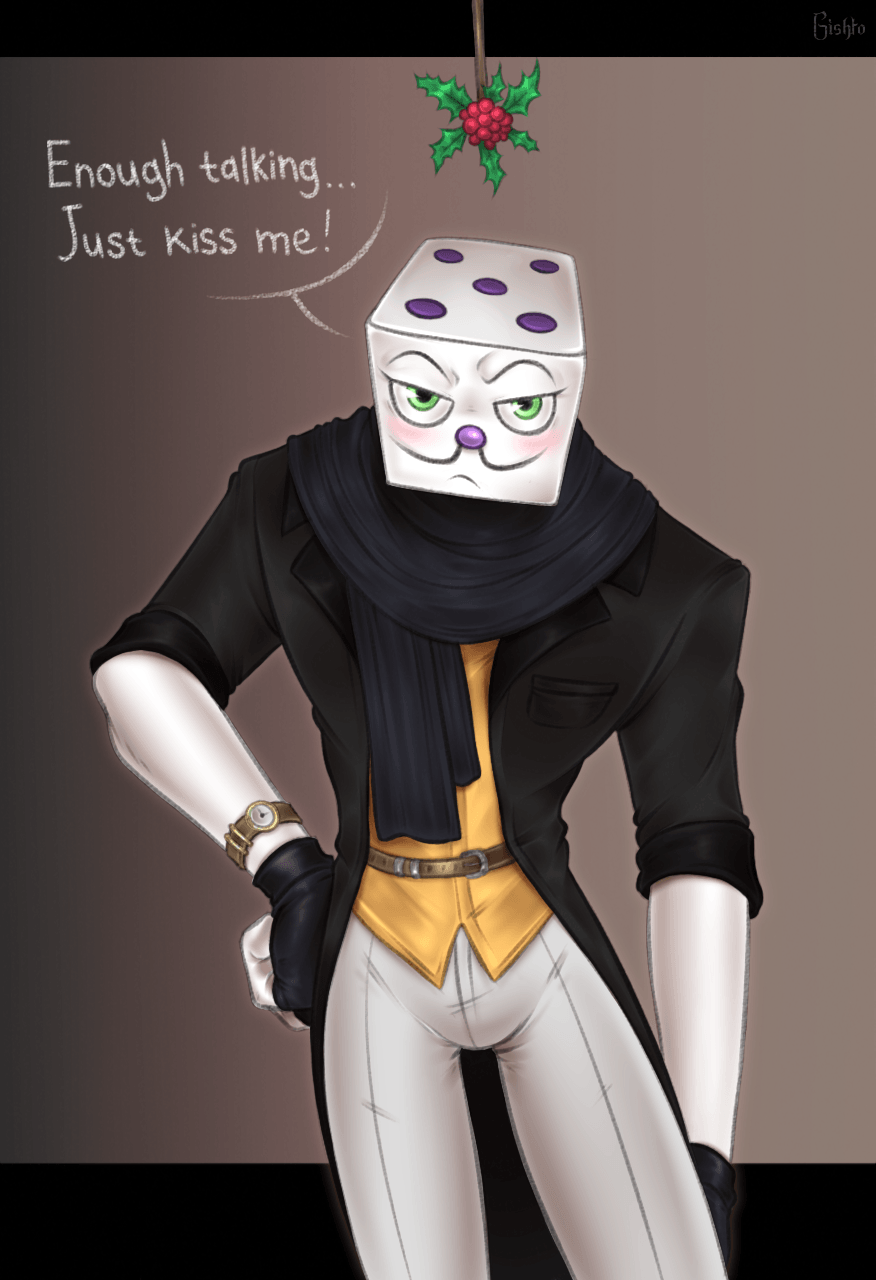 Photo: King Dice, via wallpaper.dog
This phenomenon — let's call it the Phantom Second Game syndrome — has claimed more promising studios than any market crash or publisher meddling ever could. It's the creative equivalent of a one-hit wonder, except instead of a catchy song, it's a perfectly tuned boss encounter that becomes an albatross around the studio's neck.
When Lightning Strikes Once
Look at the evidence. Playdead delivered two of gaming's most memorable boss encounters with the spider chase in Limbo and the underwater sequence in Inside, then went radio silent for nearly a decade on their next project. Supergiant Games created the Bastion narrator experience that redefined how boss fights could tell stories, then spent three games trying to top that emotional resonance — and while Hades succeeded commercially, many argue it never quite matched the raw innovation of that first outing.
The pattern isn't limited to indie darlings either. Even AAA studios fall into this trap. Look at Respawn Entertainment post-Titanfall 2's time-manipulation boss sequence, or how FromSoftware spent years chasing the perfect balance they struck with Ornstein and Smough in Dark Souls, creating increasingly elaborate multi-phase encounters that felt more like design exercises than organic challenges.
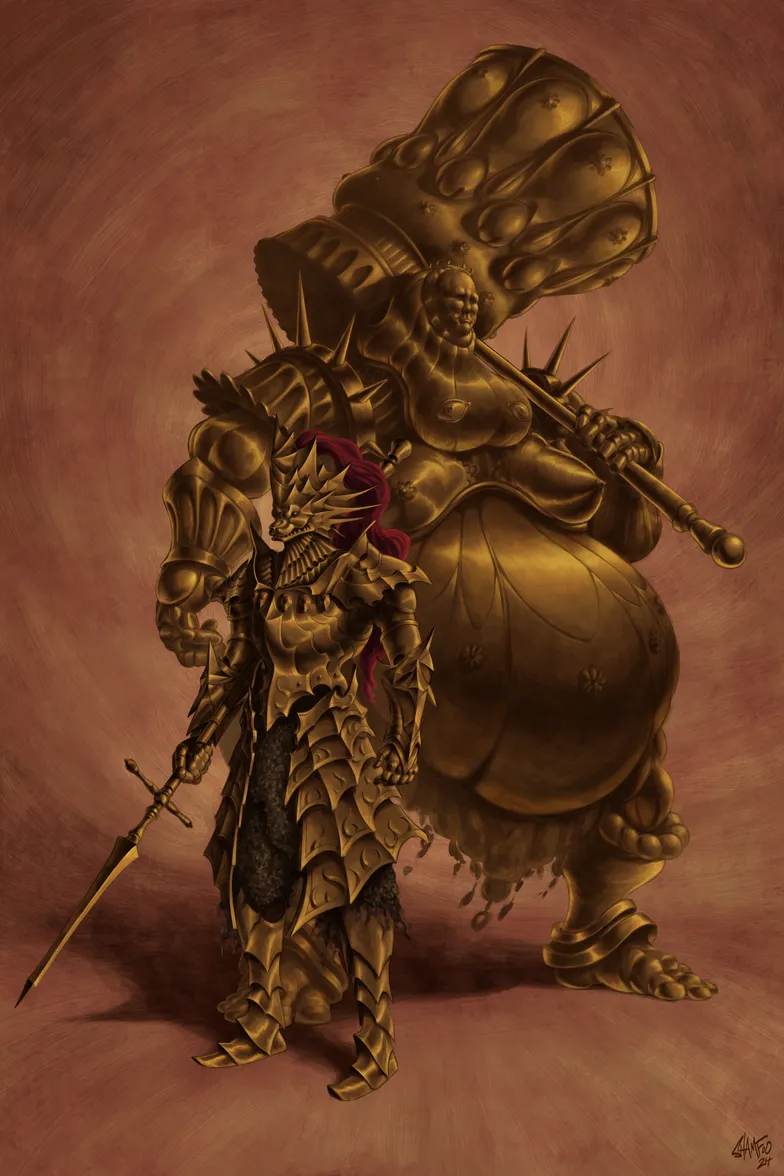 Photo: Ornstein and Smough, via art.ngfiles.com
The Pressure Cooker Effect
What makes this phenomenon so brutal isn't just creative pressure — it's the intersection of artistic ambition and business reality. When a studio's debut boss fight becomes the stuff of YouTube compilation videos and Reddit threads, every subsequent encounter gets measured against that impossible standard. Fans don't just want more of the same; they want the same feeling they had the first time, which is psychologically impossible to recreate.
Developers I've spoken with describe this as "chasing the ghost of your own success." You know exactly what made that first boss encounter special — the pacing, the music cues, the difficulty curve — but trying to engineer those same emotions feels artificial. It's like trying to recreate the perfect first date with the same person; the magic was partially in the surprise, and surprise can't be manufactured twice.
The Technical Debt of Innovation
There's also a practical element that gets overlooked in discussions about sophomore slumps. Studios that breakthrough with innovative boss design often build their entire game around that one encounter. The engine, the art pipeline, the team structure — everything gets optimized for creating that specific type of experience.
When it comes time for the second game, studios face a choice: iterate on the same formula (and risk being called derivative) or start from scratch (and risk losing what made them special in the first place). Team Cherry's eight-year development cycle for Hollow Knight: Silksong suggests they chose the latter path, rebuilding their entire approach to boss design rather than simply scaling up what worked before.
The Expectations Spiral
Perhaps most damaging is how success warps the development process itself. That first boss fight was usually created in relative obscurity, with developers free to experiment and fail without scrutiny. The second time around, every design decision gets analyzed by fans, journalists, and investors who all have opinions about what the studio should do next.
This external pressure creates what psychologists call "choking under pressure" — the same phenomenon that makes professional athletes miss easy shots in crucial moments. Developers start second-guessing instincts that served them well the first time, leading to over-designed encounters that feel calculated rather than inspired.
Breaking the Cycle
The studios that do manage to escape this trap often do so by completely changing their approach. Instead of trying to top their first boss fight, they redefine what a boss fight can be. Nintendo's evolution from the straightforward Bowser encounters in early Mario games to the multi-layered spectacles in recent entries shows how changing the rules can break the cycle of diminishing returns.
Other studios find success by embracing the pressure rather than fighting it. The developers behind Cuphead have been remarkably transparent about their struggles with the follow-up, turning the development process itself into part of their brand narrative. By acknowledging that they might never top King Dice, they've freed themselves to create something different rather than something better.
The Real Question
Maybe the problem isn't that studios can't recapture lightning in a bottle — maybe it's that we keep asking them to. The gaming industry's obsession with topping previous achievements creates an impossible standard that turns creative success into creative prison. Some of gaming's greatest boss fights were great precisely because they were unexpected, unrepeatable moments that emerged from specific circumstances that can never be recreated.
Perhaps instead of waiting for studios to top their greatest hits, we should celebrate their willingness to try something completely different, even if it means never again experiencing that perfect first encounter. After all, the best boss fights in gaming history weren't created by developers trying to recreate past glory — they were made by teams brave enough to venture into uncharted territory, not knowing if they'd find treasure or disaster on the other side.