There's a moment in every great game where everything clicks. The mechanics feel natural, the difficulty curve hits that perfect sweet spot, and you face off against a boss that feels like the culmination of everything you've learned so far. The problem? That moment usually happens somewhere around hour 15 of a 30-hour adventure, leaving you with a hollow final act that can never quite recapture the magic.
This isn't about games having weak endings — it's about games accidentally engineering their best moments too early, creating what we're calling the "phantom third act" phenomenon. It's the reason why Ornstein and Smough in Dark Souls feels more iconic than the final boss, why God of War's Baldur fights overshadow the climactic encounters, and why so many players remember the journey more fondly than the destination.
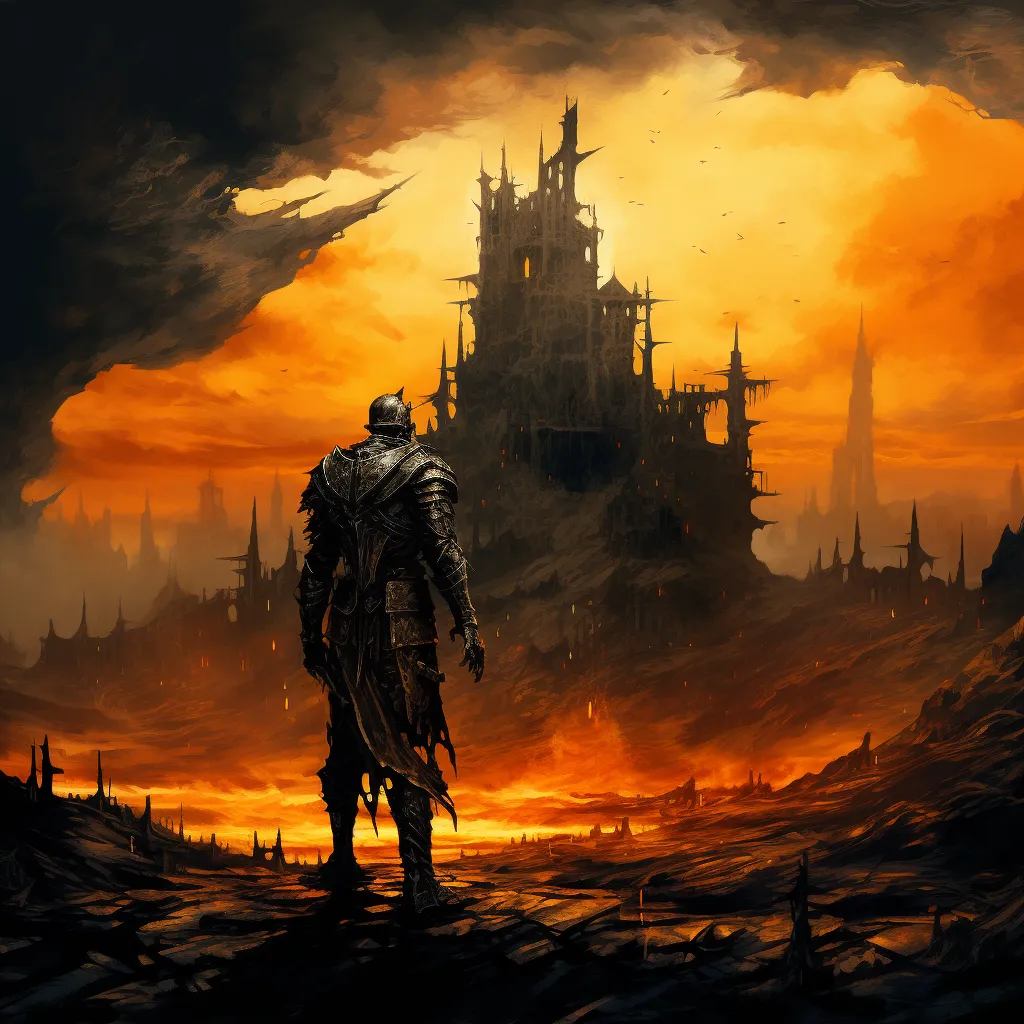 Photo: Dark Souls, via images-wixmp-ed30a86b8c4ca887773594c2.wixmp.com
The Sweet Spot Science
The midpoint boss occupies a unique position in game design. By the time players reach this encounter, they've mastered the basic mechanics but haven't yet hit the complexity fatigue that plagues many final acts. They understand the systems well enough to appreciate clever twists, but they're not overwhelmed by the kitchen-sink approach that many developers take with their climactic battles.
Consider The Legend of Zelda: Breath of the Wild's approach to boss encounters. While Calamity Ganon serves as the narrative climax, most players point to their first encounters with the game's overworld bosses — the Hinox, the Stone Talus, or even their first Lynel — as the moments that truly tested their mastery of the game's systems. These mid-game encounters felt earned in a way that the final boss, with its multiple phases and spectacle-heavy presentation, somehow didn't.
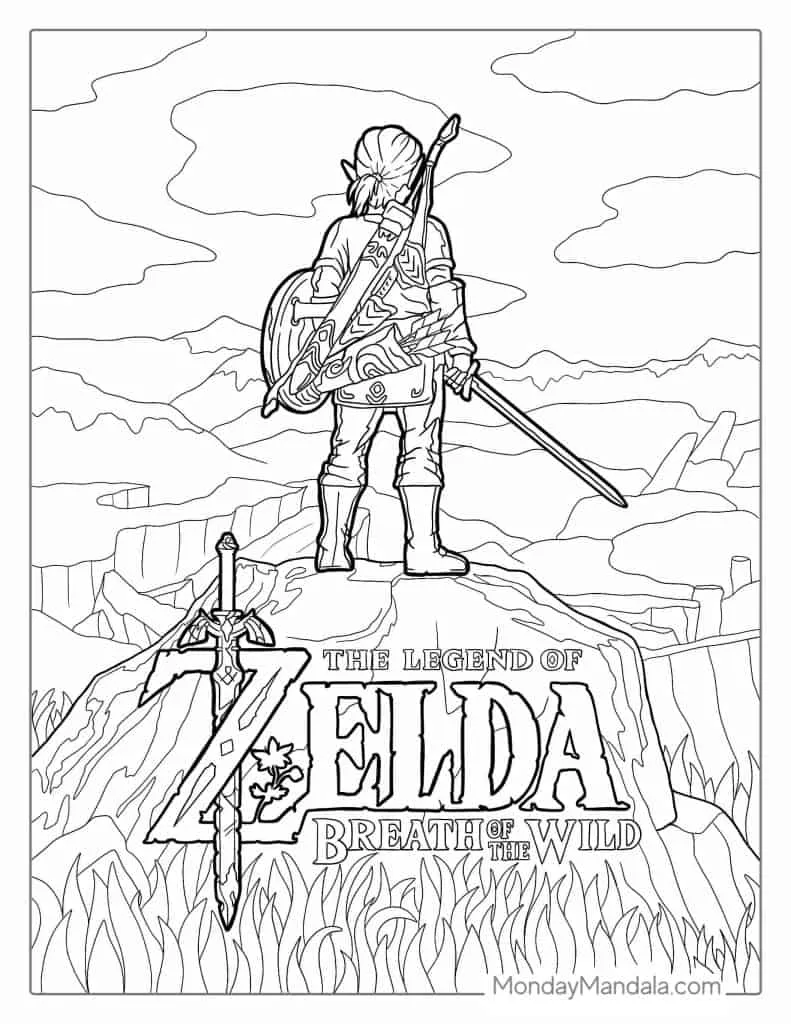 Photo: The Legend of Zelda: Breath of the Wild, via mondaymandala.com
This pattern repeats across genres. In Resident Evil 4, the village encounter and subsequent boss fights in the middle chapters represent peak survival horror gameplay, while the final island section devolves into action movie territory. In Hollow Knight, battles like Mantis Lords and Soul Master deliver perfectly tuned challenge spikes that make the true ending bosses feel either overwhelming or underwhelming by comparison.
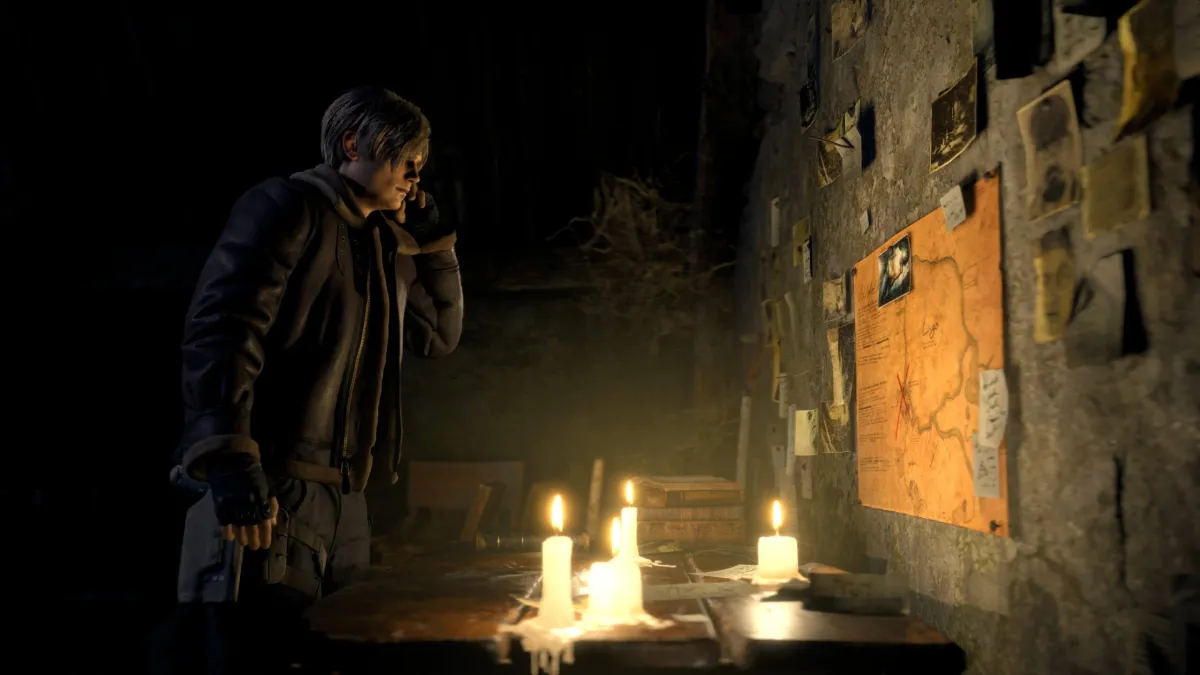 Photo: Resident Evil 4, via www.videogameschronicle.com
The Complexity Trap
One of the primary culprits behind the phantom third act is what we call "escalation fatigue." Developers feel pressure to constantly one-up previous encounters, leading to final bosses that throw everything at the player simultaneously. Multiple phases, environmental hazards, adds, instant-kill attacks, and complex mechanical interactions all pile up until the encounter becomes less about mastery and more about survival.
Dark Souls exemplifies this perfectly. The Ornstein and Smough fight is mechanically elegant: two distinct enemies with complementary movesets that force players to think spatially and tactically. It's complex enough to be challenging but focused enough to feel fair. Compare this to some of the series' final bosses, which often resort to massive health pools, screen-filling attacks, and multiple phases that can feel more like endurance tests than skill checks.
The midpoint boss benefits from what game designers call the "Goldilocks zone" — not too simple, not too complex, but just right. Players have enough tools to feel empowered but not so many that the encounter becomes about managing an overwhelming arsenal rather than demonstrating skill.
The Narrative Deflation Problem
Beyond mechanical issues, many games suffer from narrative deflation in their final acts. The midpoint boss often represents the culmination of a specific story arc or the resolution of a particular conflict, giving it emotional weight that the final encounter struggles to match.
In God of War (2018), the encounters with Baldur throughout the game serve as both mechanical tutorials and emotional beats in Kratos and Atreus's relationship. Each fight builds on the last, creating a personal antagonist whose defeat feels meaningful. The final boss, while spectacular, can't compete with that level of personal investment because it arrives at the end of a narrative arc rather than serving as its climax.
This is partly a structural problem with how we tell stories in games. The traditional three-act structure doesn't always align well with the extended playtime of modern titles. By the time players reach the final boss, they may have spent 20+ hours in the game world, making it difficult for any single encounter to feel like a satisfying culmination of that entire journey.
The Spectacle Versus Substance Dilemma
Final bosses often fall into the trap of prioritizing spectacle over substance. Developers feel pressure to deliver a visually impressive finale that will look good in trailers and screenshots, sometimes at the expense of tight gameplay design. The result is encounters that feel more like interactive cutscenes than tests of player skill.
Midpoint bosses, freed from these expectations, can focus purely on gameplay mechanics. They don't need to serve as the visual climax of the marketing campaign or provide a satisfying narrative conclusion. They just need to be good fights, and that freedom often results in more memorable encounters.
Learning From the Masters
Some games have successfully avoided the phantom third act problem by reconsidering how they structure their difficulty and narrative arcs. The Souls series, despite its individual missteps, generally succeeds by treating each boss as an individual challenge rather than trying to constantly escalate. Sekiro: Shadows Die Twice delivers some of its most challenging encounters in the final act because it maintains mechanical focus throughout.
Nier: Automata takes a different approach entirely, using its multiple playthroughs to recontextualize earlier encounters and make the true final battles feel like genuine culminations rather than arbitrary endpoints.
The Path Forward
The solution isn't to make midpoint bosses worse — it's to approach final encounters with the same design philosophy that makes those middle chapters so memorable. Focus on mechanical mastery over complexity, emotional payoff over visual spectacle, and player agency over scripted sequences.
The phantom third act reveals a fundamental truth about game design: players don't remember the biggest moments, they remember the best moments. And too often, those best moments happen when developers aren't trying quite so hard to make them memorable.
Until more developers recognize that peak performance matters more than peak spectacle, we'll keep seeing games that accidentally leave their best boss fights in the middle chapters — and leave players wondering what might have been.