There's a moment in every great boss fight where your finger hovers over the attack button, and you hesitate. Not because you're afraid of losing — but because you're not sure you want to win anymore. That split second of moral uncertainty? That's the hallmark of gaming's greatest villains.
The best final bosses in video game history aren't just mechanical challenges to overcome. They're emotional puzzles that reframe everything you thought you knew about the story, the world, and sometimes even yourself. From Sephiroth's tragic fall from grace to The Last of Us Part II's Abby Anderson, the most memorable antagonists are the ones who make you question whether you're really the hero after all.
The Sympathy Switch: When Villains Become Human
Modern game design has evolved far beyond the mustache-twirling bad guys of the arcade era. Today's best developers understand that the most devastating boss fights happen in your head, not on your screen. Take FromSoftware's approach with characters like Gehrman in Bloodborne or Sister Friede in Dark Souls III — these aren't evil masterminds plotting world domination. They're broken people making impossible choices in impossible circumstances.
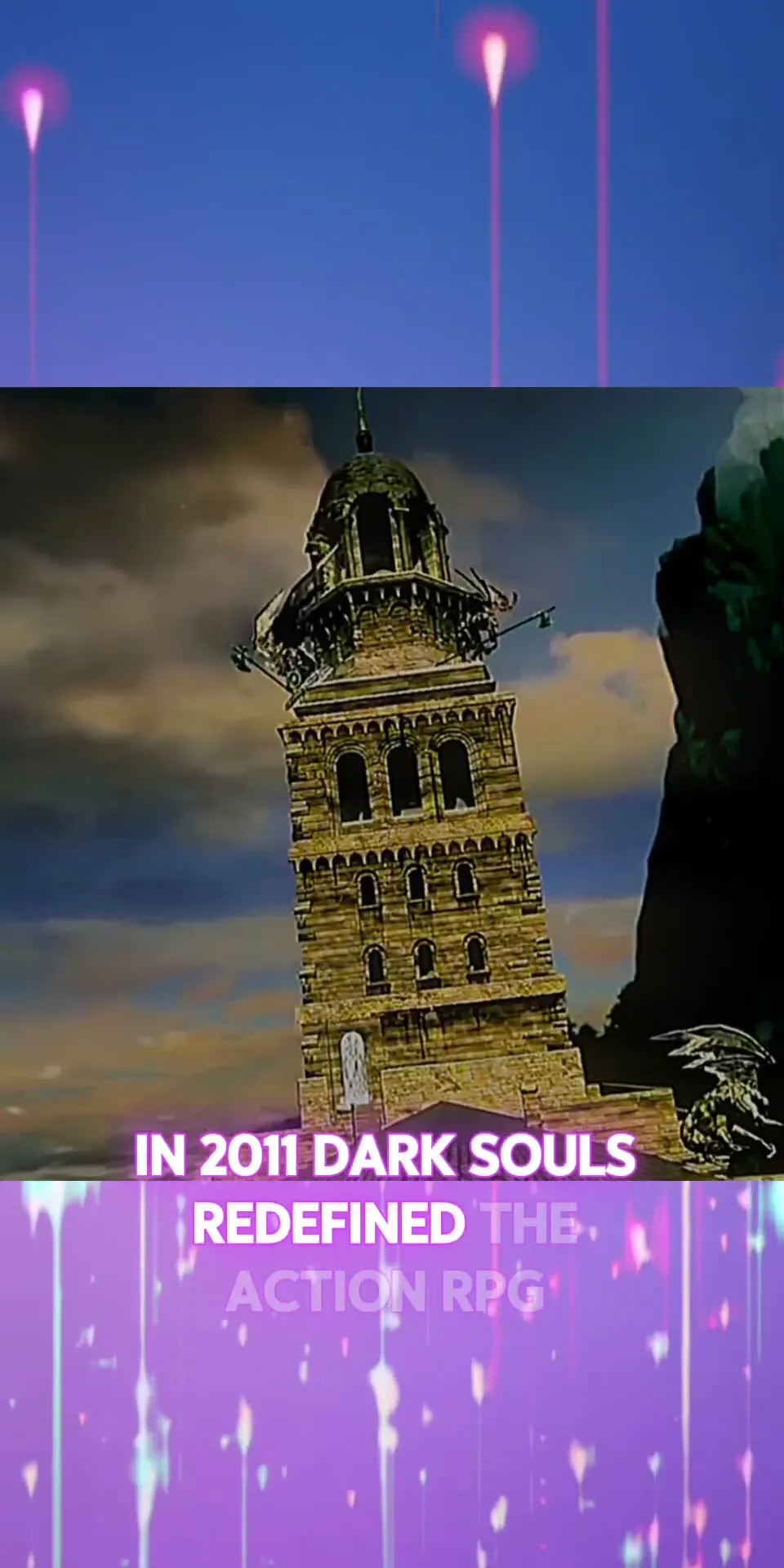 Photo: FromSoftware, via i.ytimg.com
"The moment a player starts to understand the villain's perspective, the entire dynamic of the final confrontation changes," explains narrative designer Jennifer Hepler, whose work on Dragon Age helped define modern RPG storytelling. "You're no longer just trying to stop them — you're trying to save them, even as you're forced to destroy them."
 Photo: Jennifer Hepler, via cdn.shopify.com
This emotional complexity transforms what could be a simple button-mashing sequence into something approaching genuine tragedy. When you finally land that killing blow on Gehrman, you're not celebrating victory — you're mourning the necessity of it.
The Backstory Bomb: Recontextualizing Everything
The most effective villain redemption arcs don't happen in the final cutscene — they're carefully seeded throughout the entire experience. Square Enix mastered this technique with Final Fantasy VII's Sephiroth, gradually revealing the horrific experiments that transformed a celebrated war hero into gaming's most iconic antagonist.
But it's not just about tragic backstories. The best developers use environmental storytelling, audio logs, and optional dialogue to paint a complete picture of their villains' humanity. BioShock Infinite's Zachary Comstock becomes infinitely more terrifying when you realize he's not a monster — he's a man who genuinely believes he's saving the world.
Naughty Dog took this concept to its logical extreme with The Last of Us Part II, making players spend half the game literally walking in the villain's shoes. By the time you reach that final confrontation between Ellie and Abby, the traditional hero-villain dynamic has completely collapsed. You're not rooting for good to triumph over evil — you're watching two broken people destroy each other over a cycle of revenge that serves no one.
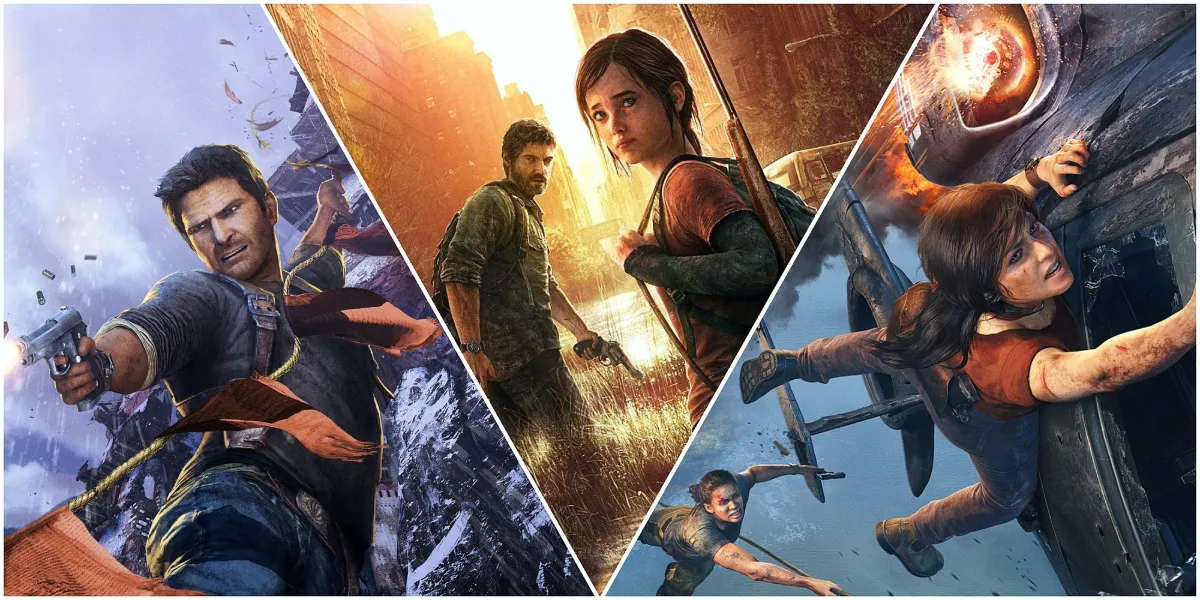 Photo: Naughty Dog, via static0.gamerantimages.com
The Moral Mirror: When Villains Reflect Heroes
The most psychologically effective video game antagonists aren't the opposite of the protagonist — they're a dark reflection of them. They represent what the hero could become under different circumstances, making their defeat feel less like justice and more like self-preservation.
Consider Spec Ops: The Line's Colonel John Konrad, who serves as a twisted mirror of protagonist Captain Walker's own descent into madness. Or Horizon Zero Dawn's HADES, an AI that was literally designed to save the world before becoming its greatest threat. These villains force players to confront uncomfortable questions about heroism, sacrifice, and the thin line between salvation and damnation.
The Inevitable Tragedy: Why We Keep Coming Back
What makes these sympathetic villains so compelling isn't just their complexity — it's the inevitability of their defeat. Unlike movies or books, video games are interactive experiences where the player must actively choose to destroy characters they've grown to understand, even empathize with.
This creates a unique form of dramatic irony where players become complicit in the tragedy they're experiencing. You know Arthas must fall in World of Warcraft: Wrath of the Lich King, but understanding his corruption doesn't make that final battle any less heartbreaking.
The Future of Sympathetic Antagonists
As gaming technology advances and storytelling becomes more sophisticated, we're seeing developers push these concepts even further. Games like Disco Elysium and The Stanley Parable have experimented with making the player character their own antagonist, while titles like Undertale have questioned whether violence is necessary at all.
The industry's growing emphasis on player choice and narrative consequences means we're likely to see even more morally complex villains in the years ahead. Developers are realizing that the most memorable boss fights aren't the ones that test your skill — they're the ones that test your soul.
The Ultimate Victory: Emotional Resonance Over Mechanical Mastery
In an industry obsessed with frame rates, graphics, and gameplay mechanics, it's worth remembering that the most lasting gaming memories are often emotional ones. Years after you've forgotten the specific button combinations needed to defeat them, you'll still remember how it felt to watch Sephiroth fall, or to make that final choice in The Walking Dead.
The best video game villains understand that true victory isn't about who has the higher damage output — it's about who can make the player care. When developers succeed in creating antagonists who feel genuinely human, flawed, and tragically misguided, they create something more valuable than just another boss fight.
They create a memory that will haunt players long after the credits roll, and that's the kind of victory that no amount of mechanical mastery can achieve.