The Revenge of the Mini-Boss: How Gaming's Forgotten Middle Tier Is Quietly Becoming the Best Part of Modern Games
For decades, mini-bosses lived in the shadow of their bigger siblings. They were the opening act, the warm-up, the thing you fought before the real challenge began. But something remarkable has happened in modern game design: the mini-boss has quietly become the star of the show. While developers play it safe with final encounters that need to satisfy everyone, they're using mini-bosses as laboratories for their wildest, most experimental ideas.
The result is a renaissance of mid-tier encounters that often outshine the climactic battles they're supposed to prepare you for. These fights have become the creative heart of modern gaming, where developers take risks they'd never dare with a final boss.
The Laboratory Effect
Mini-bosses occupy a unique space in game design. They need to be memorable enough to justify their existence, but they don't carry the weight of being the definitive encounter that players will judge the entire game by. This freedom has made them the perfect testing ground for innovative mechanics.
Hollow Knight exemplifies this approach brilliantly. While the final boss fights are certainly challenging, it's encounters like the Mantis Lords or Grimm that stick in players' memories. These mini-bosses introduce mechanics that would be too risky for a climactic encounter — the Mantis Lords' honor-based combat system, Grimm's rhythm-game-meets-bullet-hell approach.
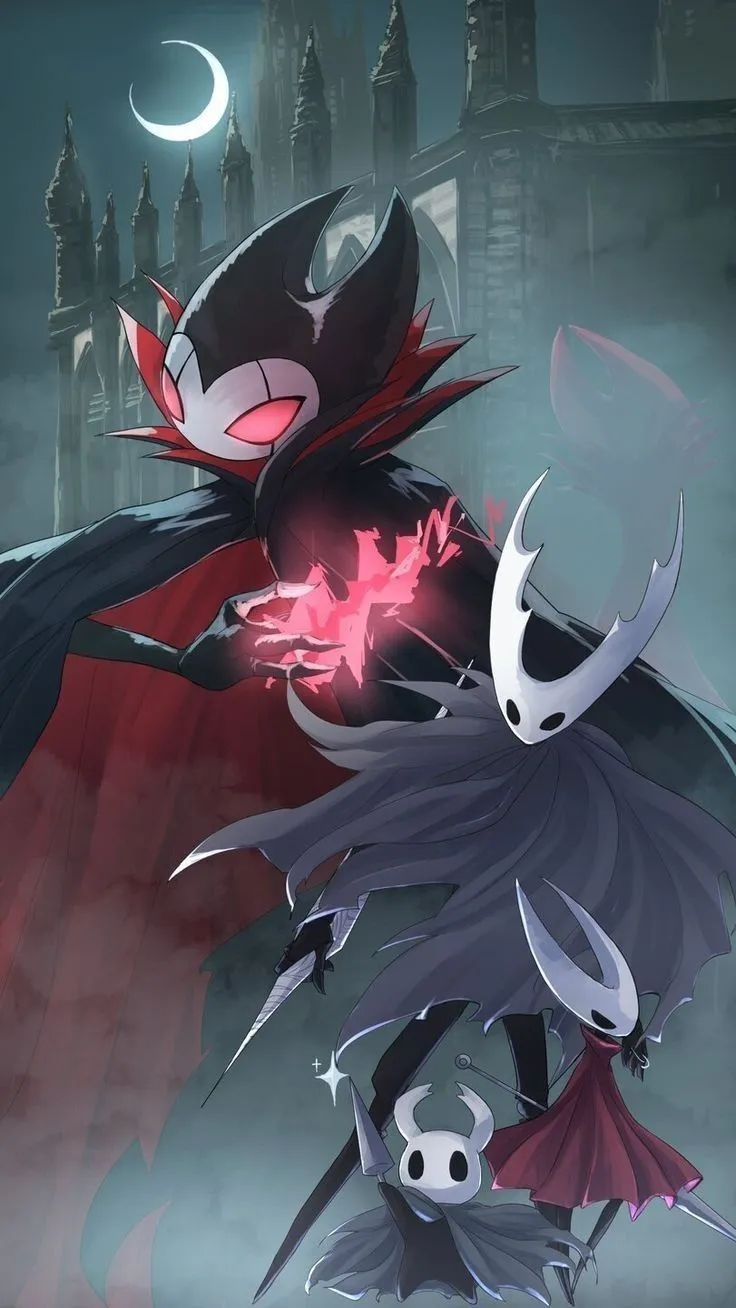 Photo: Hollow Knight, via i.pinimg.com
The Mantis Lords fight is particularly genius because it subverts expectations entirely. What appears to be a standard three-phase boss encounter reveals itself as something closer to a job interview. Success isn't just about defeating enemies — it's about proving yourself worthy of respect. The fight ends not with a death scream but with a bow of acknowledgment.
Sekiro: Shadows Die Twice uses mini-bosses as mechanical tutorials disguised as epic encounters. Each mini-boss teaches a specific lesson about the game's complex combat system — Genichiro introduces lightning reversal, Lady Butterfly teaches the importance of aggression over patience, the Guardian Ape demonstrates that even victory can be a misdirection.
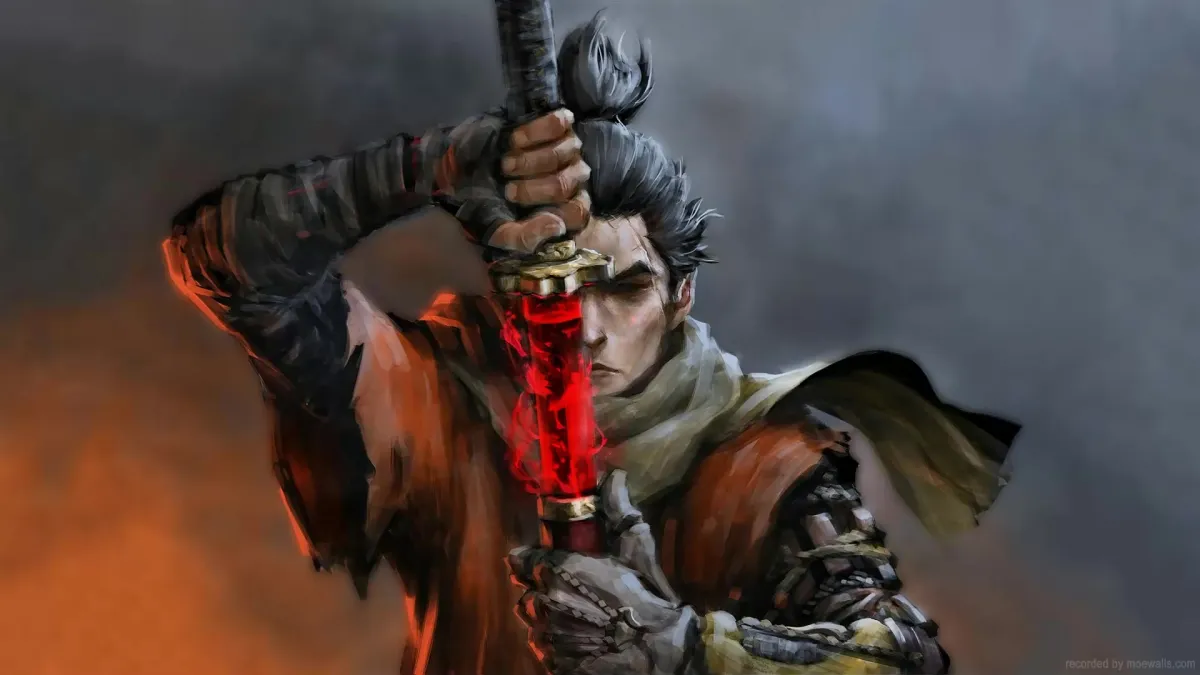 Photo: Sekiro: Shadows Die Twice, via moewalls.com
These encounters work because they don't have to serve multiple masters. A final boss needs to be climactic, satisfying, challenging but not frustrating, and accessible to players of varying skill levels. Mini-bosses can focus on being weird, experimental, or hyper-specific in their challenge.
The Soulslike Revolution
The soulslike genre has elevated mini-boss design to an art form, treating these encounters as essential storytelling and worldbuilding tools rather than mere obstacles.
Dark Souls III's Champion Gundyr represents the pinnacle of this approach. Mechanically, he's a tutorial boss — the first enemy many players encounter. But contextually, he's one of the game's most tragic figures: a champion who arrived too late to fulfill his destiny. The fight teaches you the basics of combat while simultaneously telling a story about failure and perseverance that resonates throughout the entire game.
The Abyss Watchers take this concept further, presenting a mini-boss that's simultaneously one enemy and many. The encounter starts as a three-way battle, shifts into a traditional duel, then transforms again into something entirely different. It's the kind of experimental design that would never work as a final boss — too confusing, too many moving parts — but as a mid-game encounter, it's unforgettable.
Elden Ring has perhaps the most sophisticated mini-boss ecosystem in gaming history. Encounters like Margit serve as skill checks that force players to engage with the game's systems, while bosses like Radahn function as spectacle pieces that demonstrate the game's scope and ambition. Each serves a specific purpose in the player's journey that goes far beyond simply being a challenge to overcome.
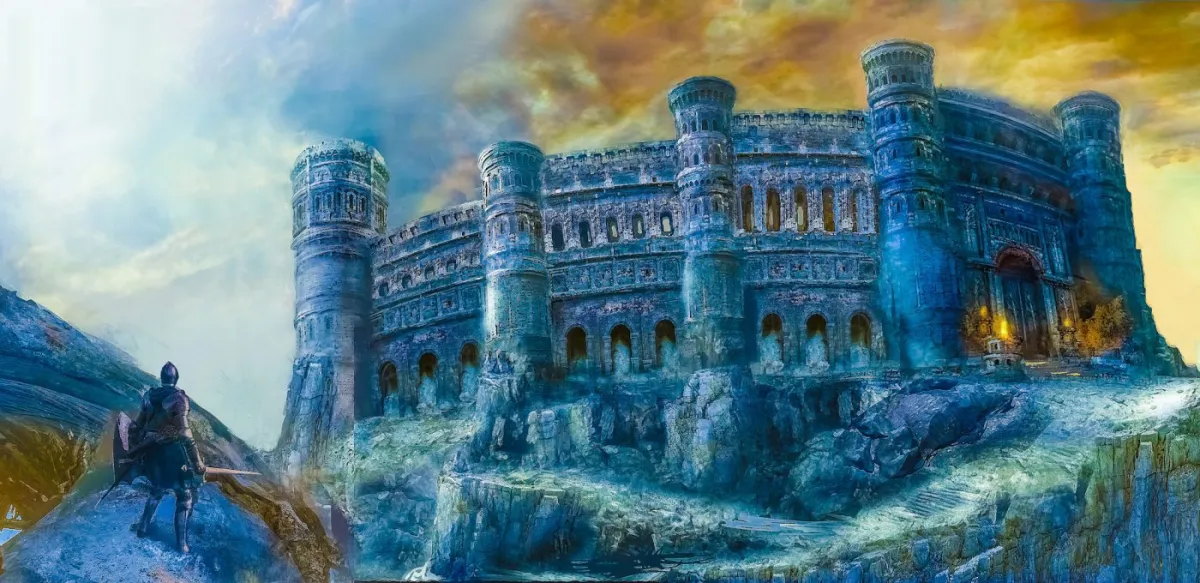 Photo: Elden Ring, via techacute.com
The Indie Innovation Engine
Indie developers have embraced mini-bosses as vehicles for pure creative expression, unbound by the commercial pressures that often make AAA final bosses feel focus-tested and safe.
Pizza Tower transforms every mini-boss into a different genre of game entirely. One encounter becomes a racing game, another turns into a rhythm challenge, a third becomes a puzzle-platformer. These fights work because they don't need to maintain tonal consistency with a grand finale — they can be as weird and experimental as the developers' imaginations allow.
Cuphead's mini-bosses often outshine the main attractions with their focused, experimental design. Encounters like the slot machine or the carnival games are exercises in pure mechanical creativity that would feel out of place in a climactic battle but work perfectly as mid-tier challenges.
Hades uses mini-bosses as character development tools, with encounters that change and evolve based on your relationship with the characters. The Fury Sisters' fights become more complex as Zagreus' understanding of their motivations deepens. It's narrative design that would be impossible to sustain in a final boss without making the encounter feel overloaded.
The Experimental Playground
Modern developers are using mini-bosses to test ideas that might become full games in their own right. These encounters serve as proof-of-concept demonstrations for mechanics that are too risky to build entire experiences around.
Control's Altered Items function as mini-bosses that introduce reality-bending mechanics. Each encounter feels like a prototype for a different type of supernatural thriller. The Refrigerator fight plays like a horror game, the Rubber Duck encounter becomes a puzzle-adventure, the Anchor transforms the space into something resembling a naval combat simulator.
Prey (2017) uses mini-bosses to explore different approaches to the same core concept. Each Nightmare encounter feels like a different interpretation of what a shapeshifting alien threat could be — sometimes a stealth challenge, sometimes a resource management puzzle, sometimes a straight combat encounter.
These experimental mini-bosses often reveal mechanics that are more engaging than the main gameplay loop. They're testing grounds for ideas that might influence the developer's next project or inspire other creators entirely.
The Pacing Revolution
Perhaps most importantly, mini-bosses have become essential tools for managing the emotional and mechanical pacing of modern games. They provide peaks of intensity that make the valleys feel more meaningful.
God of War (2018) uses mini-bosses to punctuate Kratos and Atreus' journey with moments of triumph and growth. Each encounter serves a specific narrative function — some demonstrate Kratos' legendary power, others show Atreus developing his own capabilities. The mini-bosses aren't just challenges; they're milestones in a character development arc.
Spider-Man games have mastered the art of using mini-bosses as palette cleansers between different types of gameplay. A stealth-focused mini-boss might follow a high-speed chase sequence, providing variety while maintaining momentum toward the final confrontation.
The Future of the Middle Tier
As games become more complex and player expectations continue to evolve, mini-bosses are positioned to become even more important. They offer developers a way to experiment with new ideas without the risk associated with final boss design.
Virtual reality is opening new frontiers for mini-boss design, where physical presence allows for types of encounters that would be impossible in traditional gaming. Asymmetric multiplayer is creating opportunities for mini-bosses that require genuine cooperation rather than just coordination.
Most importantly, mini-bosses are becoming recognized as legitimate creative achievements in their own right, rather than just stepping stones to something more important. The best modern games understand that every encounter is an opportunity to surprise, delight, or challenge players in new ways.
The revenge of the mini-boss isn't just about better mid-tier encounters — it's about recognizing that innovation often happens in the spaces between the spotlight moments. While everyone's watching the final boss, the real revolution is happening in the middle tier, where creativity runs wild and the best ideas are born.