
The Revenge Run: Why Getting Destroyed by a Boss and Coming Back Stronger Is Gaming's Most Satisfying Loop
There's a moment every gamer knows intimately — that split second when you realize the boss has read you like a book, your health bar is gone, and the "YOU DIED" screen is about to mock your existence. Your controller hits the couch cushion a little harder than necessary. You stare at the respawn screen, already plotting your revenge.
That moment? That's not a bug in the system. That's the entire point.
The Science of Sweet Revenge
The revenge run represents gaming's most perfectly engineered dopamine cycle. Unlike other entertainment mediums where failure means starting over or changing the channel, video games turn defeat into the setup for an even bigger payoff. It's a psychological loop that's become so fundamental to modern game design that developers actively engineer failure states to make eventual victory feel earned rather than given.
Consider the boss fights that stick with you years later. Ornstein and Smough from Dark Souls didn't become legendary because players beat them on the first try. The Valkyrie Queen in God of War didn't earn her reputation by rolling over. These encounters are remembered precisely because they forced players through the complete revenge cycle: initial confidence, brutal reality check, methodical preparation, and finally — sweet, sweet vindication.
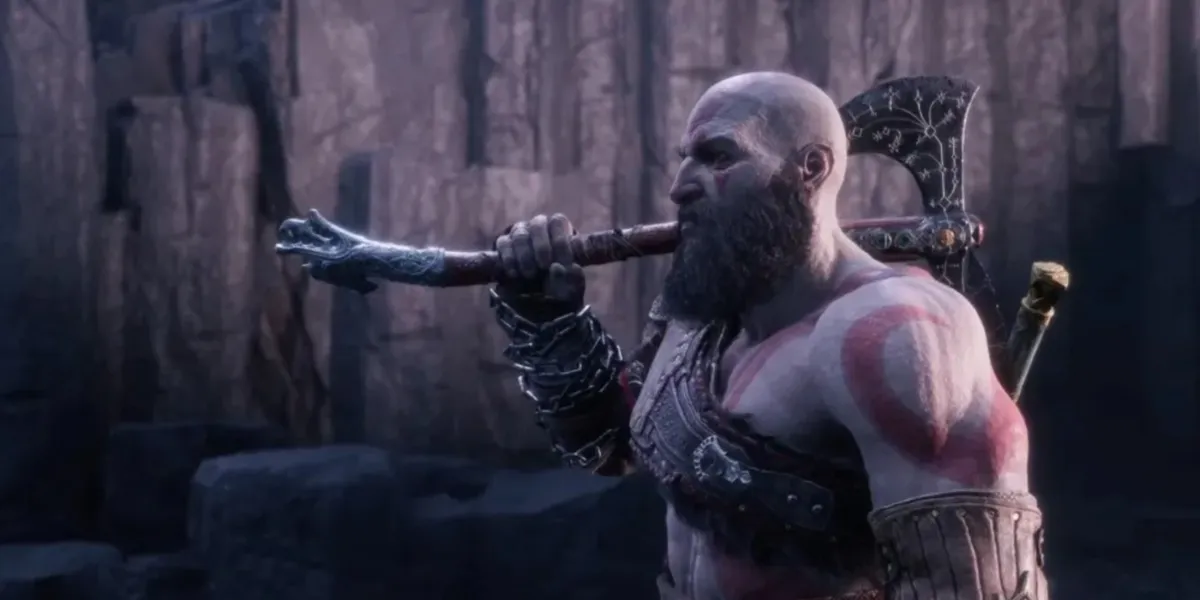 Photo: God of War, via static0.gamerantimages.com
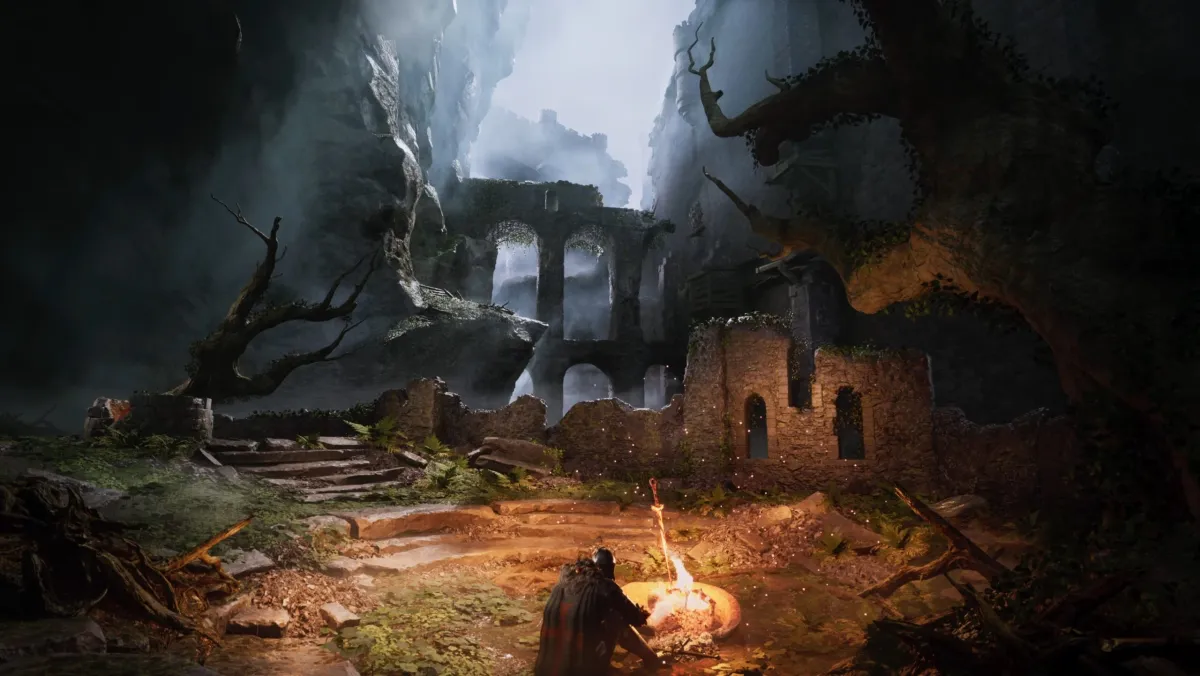 Photo: Dark Souls, via cdn.wccftech.com
The Preparation Phase: Where Real Gaming Happens
What separates a revenge run from simple repetition is the preparation phase. This is where games reveal their true depth, forcing players to engage with systems they might have previously ignored. Getting bodied by Malenia in Elden Ring sends you scrambling through wikis, testing new builds, and actually reading those item descriptions you've been ignoring.
This phase transforms casual players into students of the game. Suddenly, you're not just button-mashing through combat — you're analyzing attack patterns, timing dodge windows, and memorizing audio cues. The boss that destroyed you becomes your teacher, whether you like it or not.
US gaming culture has embraced this learning loop with particular enthusiasm. From the speedrunning community's obsession with frame-perfect execution to the endless YouTube guides breaking down every boss mechanic, American players have turned the revenge run into a collaborative science.
The Failure-Success Spectrum
Not all defeats are created equal, and the best boss designs understand this distinction. A good revenge run requires what developers call "fair failure" — deaths that feel like learning opportunities rather than cheap shots. When Returnal's Nemesis obliterates you with its laser grid, you can immediately see what you did wrong and how to do better next time. When a boss kills you with an unavoidable attack from off-screen, that's just frustration.
The sweet spot lies in fights that are initially overwhelming but become manageable once you understand the language they're speaking. Monster Hunter built an entire franchise on this principle — every hunt feels impossible until it suddenly clicks, transforming apex predators into predictable patterns you can exploit.
The Triumphant Return
The payoff of a successful revenge run hits different than any other gaming victory. It's not just beating the boss — it's proving to yourself that you've grown as a player. That moment when you perfectly dodge the attack that killed you twenty times before, when you execute a strategy you spent an hour planning, when you see the boss's health bar hit zero — that's pure digital catharsis.
This is why the Souls-like genre exploded in popularity among US audiences. American gaming culture has always celebrated the underdog comeback story, from sports to movies to politics. The revenge run taps into that same cultural DNA, letting players live out their own David-versus-Goliath narrative in interactive form.
Modern Evolutions of the Formula
Today's developers have become increasingly sophisticated in how they structure these revenge cycles. Hades gives you permanent progression between runs, ensuring each death makes you literally stronger. Sekiro teaches you its unique combat language through repeated encounters, with each death serving as a vocabulary lesson. Even traditionally easier games like Spider-Man include optional boss encounters designed specifically for players seeking that revenge run high.
Live-service games have taken this formula and stretched it across months or years. Destiny 2's raid bosses become community-wide revenge runs, with entire Discord servers dedicated to finally conquering encounters that initially seemed impossible. The shared suffering and eventual triumph creates bonds between players that single-player revenge runs simply can't match.
The Dark Side of the Loop
Of course, the revenge run cycle can become toxic when poorly implemented. Artificial difficulty that relies on cheap tricks rather than fair challenge breaks the psychological contract between player and developer. When failure doesn't lead to learning, the loop becomes a frustrating grind rather than a satisfying challenge.
The key is maintaining what psychologists call "optimal challenge" — difficult enough to require growth, but not so punishing that players give up entirely. The best revenge runs leave you feeling like you conquered something meaningful, not like you finally got lucky enough to cheese your way through.
Why We Keep Coming Back
Ultimately, the revenge run represents something uniquely powerful about gaming as a medium. It's the only art form that can make you genuinely earn your emotional payoffs through skill development and perseverance. That boss that seemed impossible on attempt one becomes a victory lap by attempt fifty, and you carry the memory of that transformation with you.
In a world where most entertainment is passive consumption, the revenge run demands active participation in your own triumph. It's no wonder US players have made it such a cornerstone of gaming culture — because when you finally get your revenge, you know you've earned every frame of that victory animation.