The Tutorial Trap: Why So Many Games Lose Players in the First 30 Minutes — And How the Best Ones Don't
Picture this: you've just dropped sixty dollars on the latest AAA blockbuster, fired it up with all the excitement of Christmas morning, and then... you're stuck in a ninety-minute tutorial that explains how to walk, look around, and interact with objects like you've never touched a controller before. By the time the game finally lets you off the leash, you've already mentally checked out. Sound familiar?
Welcome to the tutorial trap — gaming's most persistent design problem and the silent killer of first impressions. While studios obsess over graphics, storylines, and endgame content, they're hemorrhaging players in the opening act by front-loading instruction manuals disguised as gameplay. The cruel irony? The games that nail player retention are often the ones that throw you in the deep end from minute one.
The Instruction Manual Mentality
The tutorial trap stems from a fundamental misunderstanding of how players actually learn. Traditional game design treats the opening like a classroom, systematically introducing mechanics one by one until players have absorbed every system. The problem is that this approach prioritizes completeness over engagement, creating what feels more like work than play.
Take the average open-world game. You'll spend the first hour learning to craft, manage inventory, navigate skill trees, understand faction relationships, and master combat combos before you've had a single meaningful interaction with the world itself. By the time you're "ready" to play, the magic is gone. You've been conditioned to think of the game as a series of systems to manage rather than an experience to enjoy.
Meanwhile, games like Dark Souls or Hollow Knight drop you into hostile territory with minimal explanation and somehow create more invested players. The difference isn't difficulty — it's philosophy. These games understand that confusion breeds curiosity, and curiosity drives engagement.
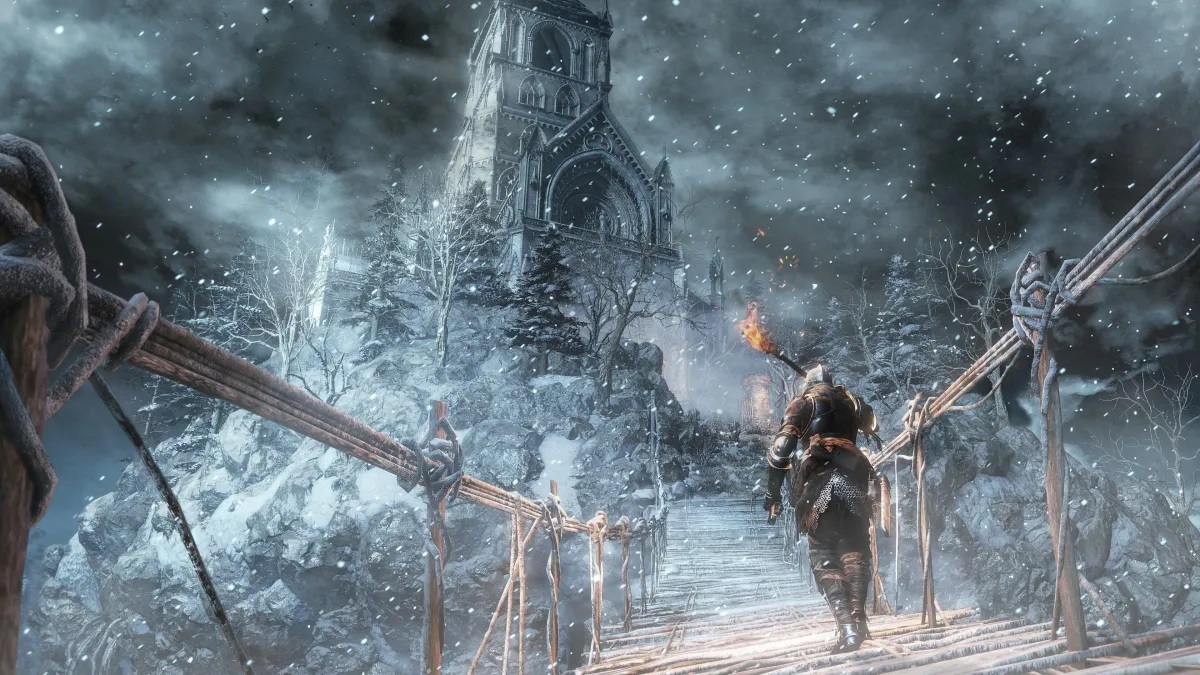 Photo: Dark Souls, via wallpaperaccess.com
Learning Through Failure
The best tutorials aren't tutorials at all — they're carefully designed first encounters that teach through consequence rather than instruction. When Mega Man X lets you run into the first mini-boss and get thoroughly destroyed, it's not being cruel. It's demonstrating that you need to learn the dash move, find upgrades, and approach combat strategically. The lesson sticks because you discovered it through play, not through a pop-up window.
This principle extends beyond retro platformers. Breath of the Wild revolutionized open-world design partly by abandoning traditional tutorials. The Great Plateau functions as a massive interactive lesson where every mechanic emerges naturally from exploration. You learn to cook because you're hungry, master climbing because you want to reach that tower, and understand physics because you're experimenting with objects in the world.
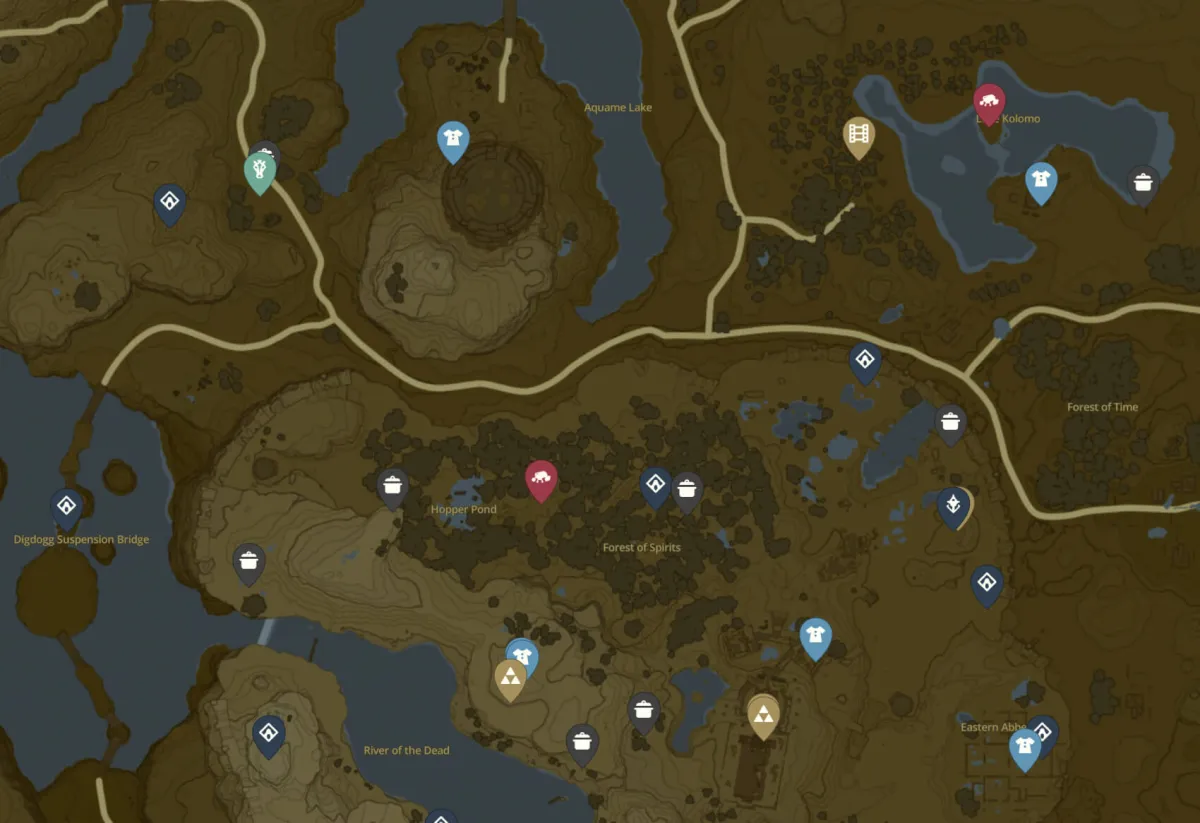 Photo: Breath of the Wild, via cdn.mapgenie.io
The key insight is that players learn best when they don't realize they're learning. The moment you break the fourth wall to explain mechanics, you've reminded players they're playing a game with rules rather than inhabiting a world with possibilities.
The Boss Rush Revelation
Here's where things get interesting for us at Boss Rush Beat: the most effective "tutorials" are often the first real boss fights. Think about Sekiro's Genichiro encounter or Bloodborne's Cleric Beast. These fights don't hold your hand — they force you to internalize the game's rhythm through trial and error. You learn parrying timing not because a tooltip told you to, but because mistiming it means death.
This approach works because boss fights compress all of a game's mechanics into a single, focused challenge. Instead of learning systems in isolation, you discover how they interconnect under pressure. The combat tutorial becomes visceral rather than academic. You're not memorizing button combinations; you're developing muscle memory through repetition and consequence.
Modern fighting games have embraced this philosophy. Instead of endless training modes, games like Tekken 8 and Street Fighter 6 throw you into matches against adaptive AI that gradually increases complexity. You learn combos because you need them to win, not because a checklist told you to practice them.
The Retention Reality
The numbers don't lie: Steam achievement data consistently shows that 20-30% of players never make it past the first few hours of most games. While some dropoff is inevitable, the correlation between tutorial length and early abandonment is striking. Games with extended onboarding sequences show steeper falloff curves than those that trust players to figure things out.
This isn't just about impatient gamers with short attention spans. It's about respecting your audience's intelligence and time. Players who bought your game already demonstrated interest — they don't need to be convinced to care. They need to be given reasons to stay invested.
The most successful games create what psychologists call "flow state" — that sweet spot where challenge and skill are perfectly balanced. Traditional tutorials destroy flow by removing challenge entirely, creating a disconnect between the learning experience and actual gameplay.
The Path Forward
So what's the solution? The best modern games are embracing what we might call "contextual learning." Instead of front-loading exposition, they introduce mechanics when they become relevant. God of War (2018) doesn't explain every runic attack and armor stat from the beginning — it gradually reveals complexity as Kratos and Atreus's journey unfolds.
Similarly, Hades never stops teaching you new things, but it does so through natural progression rather than forced instruction. Each run reveals new dialogue, mechanics, and story beats organically. The tutorial never really ends because the learning never stops feeling rewarding.
The lesson for developers is clear: trust your players, respect their time, and remember that the best teacher is often failure itself. In a medium defined by interactivity, the worst thing you can do is make players passive observers of their own education.
Because at the end of the day, nobody remembers the tutorial that taught them to play — they remember the moment the game clicked and suddenly everything made sense.