The Difficulty Ladder: Why the Best Games in History Ease You Into Hell One Boss at a Time
There's a moment in every truly great game where you realize you've been played. Not in a bad way — in the most beautiful, manipulative way possible. You're staring down a boss that would have been impossible an hour ago, and somehow, you know exactly what to do. Your fingers move with muscle memory you didn't know you had. The game has been teaching you this entire time, and you never noticed.
This is the difficulty ladder at work, and it's the secret sauce behind gaming's most legendary experiences.
The Invisible Tutorial
Forget everything you think you know about difficulty curves. Most games approach challenge like a drunk person approaches stairs — stumbling upward with no real plan, hoping they don't fall backward. But the masters of game design understand something profound: every boss fight is a lesson, and every lesson builds toward a final exam that feels both impossible and inevitable.
Take Dark Souls, the poster child for punishing difficulty. The Asylum Demon isn't just the first boss — it's a thesis statement. It teaches you that running away is sometimes the right answer, that observation beats aggression, and that the game will always give you the tools you need if you're smart enough to find them. By the time you reach Ornstein and Smough, you've internalized dozens of micro-lessons about spacing, timing, and patience. The game never held your hand, but it never stopped teaching you either.
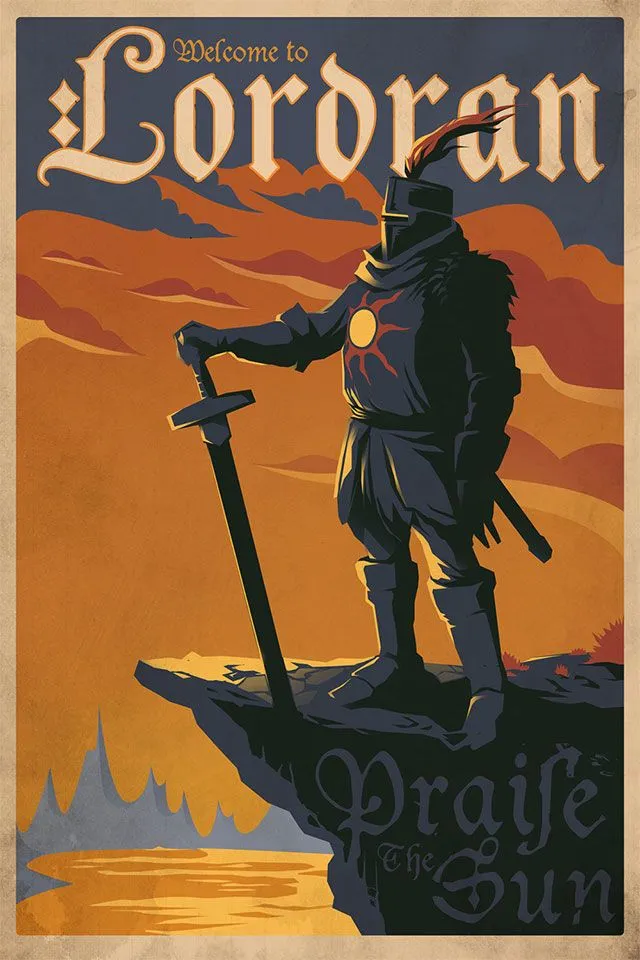 Photo: Dark Souls, via s-media-cache-ak0.pinimg.com
Mega Man perfected this formula decades earlier. Each Robot Master teaches you a specific skill: Elec Man demands precision jumping, Cut Man requires pattern recognition, and Fire Man forces you to manage limited resources. When you finally reach Dr. Wily's castle, you're not just facing harder versions of previous challenges — you're facing combinations that test everything you've learned simultaneously.
The Psychology of Earned Difficulty
Hollow Knight might be the modern masterpiece of difficulty laddering. Team Cherry understood that the most satisfying challenges feel personal. False Knight teaches you basic combat timing with telegraphed attacks and obvious openings. Hornet introduces the concept of aggressive enemies that punish passive play. By the time you reach the Radiance, you're wielding a combat system that feels like an extension of your nervous system.
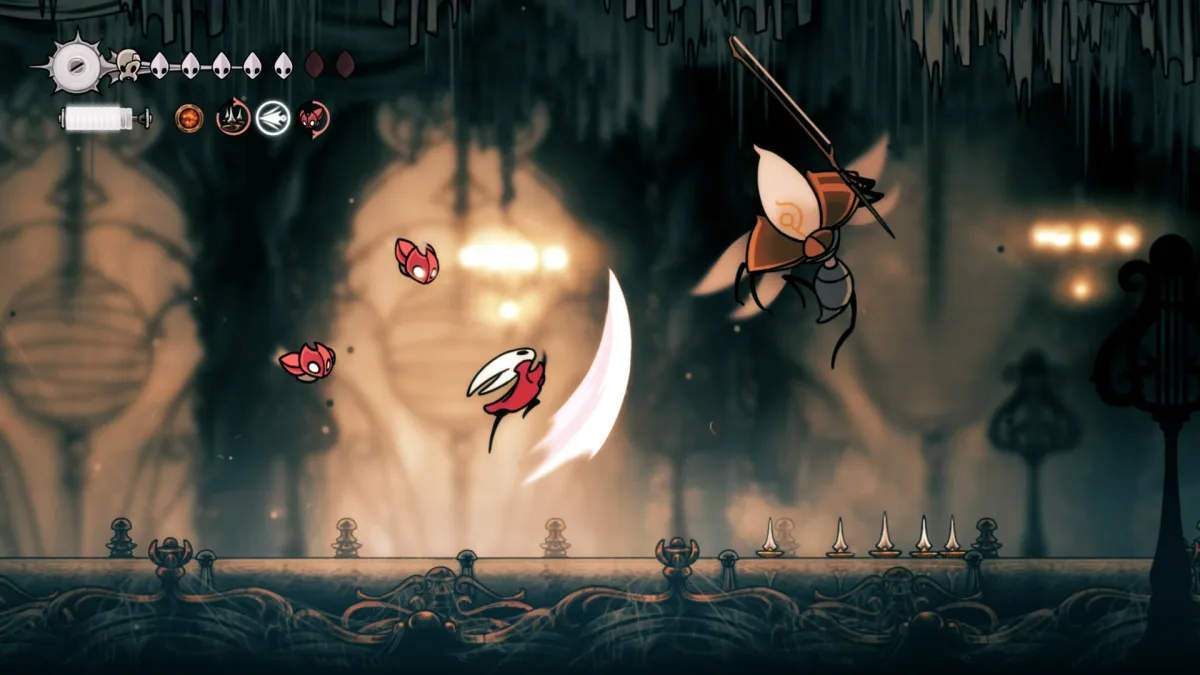 Photo: Hollow Knight, via img.gg.deals
The genius lies in the pacing. Each boss introduces one new concept while reinforcing previous lessons. It's like learning to drive — first you master steering, then acceleration, then braking, and eventually you're navigating highway traffic without conscious thought. The best games make their difficulty feel earned rather than imposed.
Contrast this with games that spike difficulty randomly or front-load their challenge. These titles create frustration rather than satisfaction because they break the implicit contract between player and designer. When a boss feels unfair, it's usually because the game failed to properly prepare you for what it was asking.
Modern Successes and Failures
Today's AAA landscape shows both the best and worst of difficulty design. Elden Ring succeeds because it offers multiple paths to the same destination — if Margit is too tough, the game subtly guides you toward other challenges that will prepare you better. It's a difficulty ladder with multiple rungs at each level.
Meanwhile, many modern action games fall into the "bigger numbers" trap, mistaking increased health bars and damage output for meaningful difficulty progression. These games teach you to grind rather than improve, which fundamentally misunderstands what makes challenge satisfying.
The indie scene often gets this right because smaller teams can craft more deliberate experiences. Celeste's approach to difficulty is almost mathematical in its precision — each screen teaches you a specific technique that you'll need three screens later. Cuphead's boss rush format forces every encounter to be a perfect lesson in pattern recognition and execution.
The Neuroscience of Gaming Growth
What's happening in your brain during a well-designed boss sequence is fascinating. You're not just memorizing patterns — you're building neural pathways that connect observation to action. The best difficulty ladders work with your brain's natural learning processes rather than against them.
This is why the most memorable gaming moments often come from overcoming challenges that initially seemed impossible. Your brain remembers the struggle, the breakthrough moment, and the satisfaction of mastery. Games that respect this process create lasting emotional connections with players.
The Rematch Revolution
Modern games have mostly solved the friction problem — quick respawns and checkpoints mean you can iterate on strategies without losing progress. This technological advancement has enabled more sophisticated difficulty ladders because designers can assume players will attempt bosses multiple times without losing momentum.
But some developers have gone too far in the opposite direction, creating bosses that rely entirely on trial-and-error rather than skill development. The best modern difficulty ladders find the sweet spot between accessibility and meaningful challenge.
Looking Forward
As gaming evolves, the principles of good difficulty design remain constant. Whether you're building a souls-like or a platformer, the ladder approach works because it respects both the player's intelligence and their time. It acknowledges that the best games aren't just entertainment — they're growth experiences.
The difficulty ladder isn't just good design philosophy — it's a love letter to the human capacity for improvement, wrapped in the language of interactive entertainment.
The games that understand this create more than just entertainment; they create transformation, one perfectly calibrated boss fight at a time.