The Ghost Boss: Why Some of Gaming's Most Terrifying Enemies Never Actually Fight You Back
The Ghost Boss: Why Some of Gaming's Most Terrifying Enemies Never Actually Fight You Back
The heavy footsteps echo through the police station corridors. You know he's coming, but you don't know when. You can't kill him, can't reason with him, can't even slow him down for long. Mr. X from Resident Evil 2 never swings a sword or casts a spell, but he might be the most effective boss in the entire series. Welcome to the world of the ghost boss — gaming's most psychologically sophisticated enemy design.
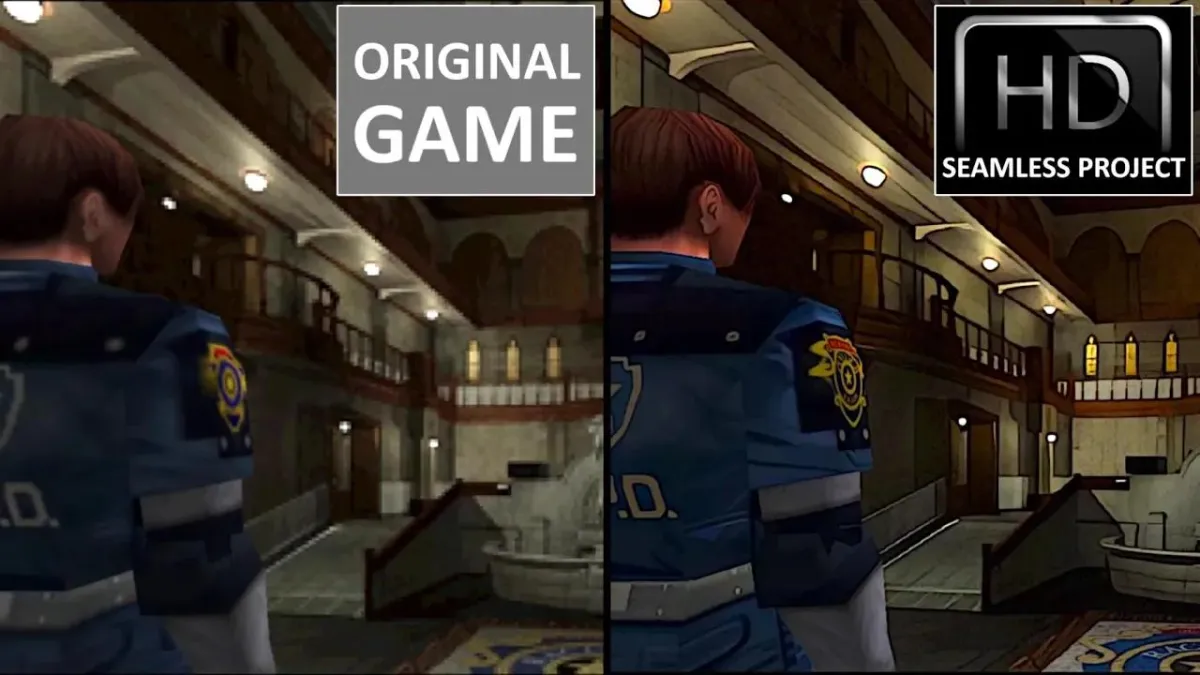 Photo: Resident Evil 2, via thumbnails.odycdn.com
Unlike traditional bosses that test your reflexes and pattern recognition, ghost bosses test something far more primal: your ability to function under constant, mounting pressure.
The Anatomy of Dread
The ghost boss operates on a fundamentally different design philosophy than conventional encounters. Where traditional bosses create discrete challenges with clear victory conditions, ghost bosses create sustained atmospheric pressure that transforms the entire game into a boss fight.
Alien: Isolation perfected this formula. The Xenomorph isn't just an enemy — it's a living, breathing anxiety attack that follows you through the entire experience. Creative Assembly understood that the alien's power came not from its ability to kill you (though it certainly can), but from its ability to make you afraid of every sound, every shadow, every moment of stillness.
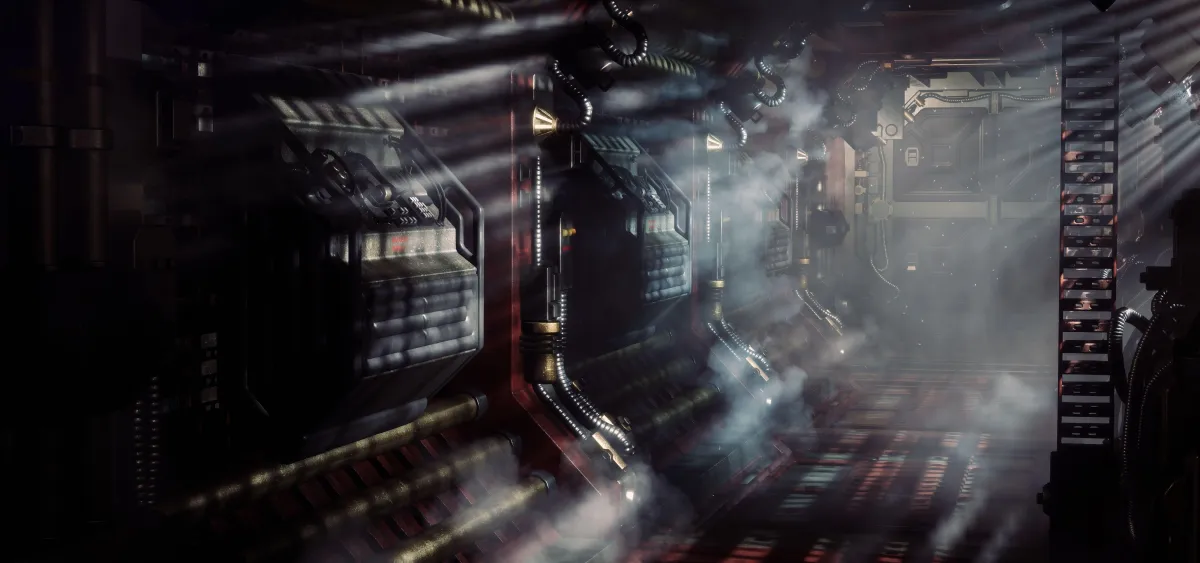 Photo: Alien: Isolation, via wallpaperaccess.com
The genius lies in the unpredictability. Traditional bosses follow patterns because patterns can be learned and mastered. Ghost bosses follow dynamic AI routines that respond to your behavior, creating encounters that feel genuinely alive rather than scripted.
The Psychology of Powerlessness
What makes ghost bosses so effective is their relationship to player agency. In most games, problems exist to be solved through player action. Ghost bosses invert this relationship — they're problems that can only be managed, never truly solved. This creates a unique form of engagement where evasion becomes the primary skill being tested.
Clock Tower pioneered this approach in the horror genre, but the concept has spread far beyond scary games. The Dahaka from Prince of Persia: Warrior Within functions as a ghost boss in an action-platformer context, turning escape sequences into extended boss encounters where your parkour skills are tested under extreme pressure.
 Photo: Clock Tower, via c2.peakpx.com
Even non-horror games have adopted ghost boss principles. The SA-X in Metroid Fusion creates similar tension in a sci-fi context, while the police chases in Grand Theft Auto games function as open-world ghost boss encounters where the city itself becomes the arena.
The Technical Challenge
Creating effective ghost bosses requires sophisticated AI programming and careful level design. The enemy needs to feel omnipresent without becoming overwhelming, persistent without becoming predictable. It's a delicate balance that many games attempt and few master.
Resident Evil 3's original Nemesis struck this balance perfectly. He appeared at scripted moments but also showed up during exploration sequences, creating a sense that nowhere was truly safe. The 2020 remake struggled with this balance, making Nemesis feel more like a traditional boss with scripted appearances rather than a persistent threat.
The best ghost bosses use dynamic systems rather than scripted events. The Xenomorph in Alien: Isolation uses sensory-based AI that responds to noise and movement, creating emergent encounters that feel organic rather than predetermined. This technical sophistication is what separates effective ghost bosses from simple stalker enemies.
Cultural Impact in American Gaming
American gaming culture has embraced ghost bosses in unique ways, often connecting them to broader cultural anxieties. The popularity of games like Phasmophobia and the recent surge in asymmetrical multiplayer games reflects a growing appreciation for psychological tension over direct confrontation.
Streaming culture has amplified the impact of ghost bosses. Watching someone else experience genuine fear and tension creates a shared emotional experience that traditional boss fights often can't match. This has led to a renaissance in ghost boss design, particularly in the indie horror space.
Games like Amnesia: The Bunker and MADiSON have refined the ghost boss formula for modern audiences, using advanced audio design and procedural elements to create encounters that feel fresh even after multiple playthroughs.
The Indie Renaissance
Independent developers have embraced ghost boss design because it doesn't require massive art budgets or complex combat systems. A single well-designed pursuer can carry an entire game if the systems supporting it are sophisticated enough.
Titles like Iron Lung and The Dark Pictures Anthology have shown how ghost boss principles can work in different contexts. Even puzzle games like Little Nightmares use pursuit sequences as climactic encounters that test spatial reasoning under pressure rather than traditional problem-solving skills.
The key innovation in modern ghost boss design is the integration of environmental storytelling. The pursuer isn't just a gameplay mechanic — it's a narrative device that reveals information about the world and the player character's place in it.
Design Philosophy and Player Engagement
Ghost bosses work because they engage different parts of the brain than traditional encounters. Instead of pattern recognition and muscle memory, they activate our fight-or-flight responses and spatial reasoning abilities. This creates a more visceral, emotional connection to the gameplay experience.
The best ghost bosses also respect player intelligence. They don't rely on jump scares or cheap tricks — they create genuine tension through systematic pressure. Players develop strategies for dealing with these encounters that feel personal and creative rather than prescribed.
The Future of Fear
As gaming technology advances, ghost bosses are becoming more sophisticated. Machine learning AI could create pursuers that adapt to individual player behavior patterns, while haptic feedback and spatial audio can make their presence feel more physically immediate.
Virtual reality represents the ultimate frontier for ghost boss design. When you can't look away from the screen or take off headphones to break immersion, the psychological impact becomes even more profound.
The Lasting Impact
The ghost boss represents something unique in interactive entertainment — an enemy that defeats you by making you defeat yourself. They transform the act of playing into an exercise in emotional regulation and strategic thinking under pressure.
In a medium often criticized for promoting aggression and violence, ghost bosses offer a different model: one where the most effective response to conflict is often avoidance, where survival trumps conquest, and where the real enemy might be your own fear.
They remind us that sometimes the most powerful opponent is the one you never actually fight.