Boss Rush Beat Hit Start. Stay Informed.

Boss Rush Beat

Hit Start. Stay Informed.

Latest Articles

The Phantom Second Game: Why So Many Breakout Studios Never Recapture the Magic of Their Debut Boss Fight
Features

The Phantom Second Game: Why So Many Breakout Studios Never Recapture the Magic of Their Debut Boss Fight

From Cuphead's Studio MDHR to Hollow Knight's Team Cherry, gaming history is littered with studios who nailed their first boss encounter only to struggle with the follow-up. We explore why that initial lightning strike might actually be a creative curse in disguise.
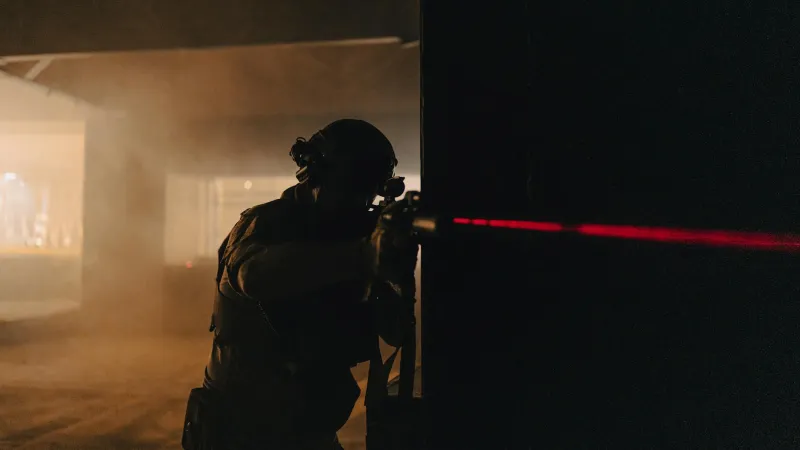

The Escort Mission Boss: Why Protecting an NPC During a Final Fight Is Either Brilliant Design or Pure Torture
Features

The Escort Mission Boss: Why Protecting an NPC During a Final Fight Is Either Brilliant Design or Pure Torture

When games force you to keep an AI companion alive during the climactic boss encounter, they're making a bold design gamble. Sometimes it creates unforgettable drama — other times it exposes every flaw in the AI system and turns triumph into torment.

The Gatekeeper Boss: Why Some Games Lock Their Best Content Behind a Wall Most Players Never Climb
Features

The Gatekeeper Boss: Why Some Games Lock Their Best Content Behind a Wall Most Players Never Climb

Some games deliberately place their most brutal encounters between players and their best content. We examine the controversial design philosophy of 'gatekeeper' bosses and whether they're genius or gatekeeping.

The Bait-and-Switch Boss: Why Some Games Replace Their Advertised Final Villain at the Last Second — And Whether It Works
Features

The Bait-and-Switch Boss: Why Some Games Replace Their Advertised Final Villain at the Last Second — And Whether It Works

From trusted allies going rogue to hidden puppet masters emerging from the shadows, gaming's most shocking final boss switcheroos can either deliver jaw-dropping twists or leave players feeling betrayed. We examine why developers risk alienating fans by swapping out the villain on the box art.

The Lore Dump Boss: Why Final Villains Who Monologue Too Long Are Killing the Climax
Features

The Lore Dump Boss: Why Final Villains Who Monologue Too Long Are Killing the Climax

Nothing kills the momentum of an epic boss fight quite like a villain who won't stop talking. We examine why too many games are burying their climactic moments under mountains of exposition.

The Respawn Paradox: Why Dying in a Boss Fight Can Actually Make You a Better Player
Features

The Respawn Paradox: Why Dying in a Boss Fight Can Actually Make You a Better Player

Death screens might be gaming's most frustrating moments, but they're also secretly the most effective teaching tool ever designed. Here's why getting destroyed by that boss for the tenth time is actually making you a master of the game.

The Soft Reset: Why Some Games Let You Start Over Without Punishing You — And Whether That's Genius or Cowardice
Features

The Soft Reset: Why Some Games Let You Start Over Without Punishing You — And Whether That's Genius or Cowardice

From Hades to Dead Cells, modern games are embracing mid-run resets and consequence-free restarts. But does removing the sting of failure make victory more accessible, or does it quietly drain the tension that makes winning feel earned?

The Tutorial Trap: Why So Many Games Lose Players in the First 30 Minutes — And How the Best Ones Don't
Features

The Tutorial Trap: Why So Many Games Lose Players in the First 30 Minutes — And How the Best Ones Don't

The opening moments of any game are make-or-break, yet countless titles sabotage themselves with overlong tutorials that teach everything except how to have fun. We examine why the best games let you learn by doing — and why your first real challenge is the only tutorial that matters.

The Phantom Health Bar: Why Hidden Boss Mechanics Are Gaming's Greatest Love Letter to Dedicated Players
Features

The Phantom Health Bar: Why Hidden Boss Mechanics Are Gaming's Greatest Love Letter to Dedicated Players

Some of gaming's most memorable boss encounters hide entire mechanical systems that only the most dedicated players ever discover. From secret weaknesses to invisible damage thresholds, these hidden layers represent the ultimate respect for player intelligence and experimentation.

The Comeback Mechanic: Why the Best Games in History Secretly Reward You for Being Bad
Features

The Comeback Mechanic: Why the Best Games in History Secretly Reward You for Being Bad

From Mario Kart's blue shells to Street Fighter's comeback supers, the greatest games ever made have a dirty little secret: they're designed to help you when you're losing. But are these rubber-band mechanics genius design or participation trophies in disguise?

The Revenge Arc: Why the Best Video Game Villains Make You Root for Them Before the Final Showdown
Features

The Revenge Arc: Why the Best Video Game Villains Make You Root for Them Before the Final Showdown

The greatest boss fights in gaming don't just challenge your reflexes — they challenge your heart. We explore how the industry's best developers turn antagonists into complex characters you'll genuinely mourn defeating.

The Phantom Third Act: Why So Many Games Peak at the Midpoint Boss and Never Recover
Features

The Phantom Third Act: Why So Many Games Peak at the Midpoint Boss and Never Recover

From Dark Souls to God of War, countless games deliver their most memorable boss encounters in the middle chapters — only to stumble at the finish line. We examine why the midpoint boss has become gaming's secret sweet spot, and what happens when developers can't match that energy in the final act.

The Health Bar Lie: Why Fake-Out Final Phases Are the Most Divisive Design Choice in Modern Gaming
Features

The Health Bar Lie: Why Fake-Out Final Phases Are the Most Divisive Design Choice in Modern Gaming

When a boss's health bar hits zero only to reveal another phase, players either lose their minds with excitement or throw their controllers in rage. We dive into gaming's most controversial design trick and why it splits the community down the middle.

The Revenge Run: Why Getting Destroyed by a Boss and Coming Back Stronger Is Gaming's Most Satisfying Loop
Features

The Revenge Run: Why Getting Destroyed by a Boss and Coming Back Stronger Is Gaming's Most Satisfying Loop

Getting absolutely wrecked by a boss isn't a design flaw — it's the whole point. The cycle of defeat, preparation, and triumphant return creates gaming's most addictive psychological loop, and US players can't get enough of it.

The Penultimate Power Spike: Why Games That Let You Feel Overpowered Right Before the Final Boss Are Pure Design Genius
Features

The Penultimate Power Spike: Why Games That Let You Feel Overpowered Right Before the Final Boss Are Pure Design Genius

The best final boss fights aren't won in the boss room itself, but in the thirty minutes of gameplay that precede it. We explore why giving players a surge of power right before the climactic encounter is one of the most satisfying tricks in game design.

The Penultimate Problem: Why the Level Before the Final Boss Is Often the Hardest Part of Any Game
Features

The Penultimate Problem: Why the Level Before the Final Boss Is Often the Hardest Part of Any Game

From Hollow Knight's Path of Pain to Contra's final gauntlet, the stage before the last boss consistently breaks more players than the climactic fight itself. We dive into why developers deliberately craft these brutal penultimate challenges and what they reveal about player psychology.

The Gauntlet Effect: Why Back-to-Back Boss Sequences Are Replacing Traditional Final Levels
Features

The Gauntlet Effect: Why Back-to-Back Boss Sequences Are Replacing Traditional Final Levels

Modern games are ditching sprawling final levels for intense boss gauntlets that throw multiple encounters at players with minimal breathing room. This design shift is fundamentally changing how we experience climactic moments in gaming.

The Final 10%: Why Games That Nail Their Endings Are Worth Every Frustrating Hour That Came Before
Features

The Final 10%: Why Games That Nail Their Endings Are Worth Every Frustrating Hour That Came Before

From Elden Ring's transcendent finale to Mass Effect 3's controversial conclusion, we examine how a game's closing moments can retroactively transform everything that came before. Why do American players judge entire gaming experiences based on their final boss fights and ending sequences?

The Mercy Window: Why the Best Boss Fights Always Give You One Last Chance to Win
Features

The Mercy Window: Why the Best Boss Fights Always Give You One Last Chance to Win

The greatest boss encounters in gaming don't just challenge players—they engineer hope. From Sekiro's deathblow reversals to RPG desperation attacks, the best developers secretly build comeback mechanics that transform crushing defeats into electrifying victories.

The Difficulty Illusion: Why Some Games Feel Brutal on Paper but Play Like a Dream in Practice
Features

The Difficulty Illusion: Why Some Games Feel Brutal on Paper but Play Like a Dream in Practice

Ever wondered why Dark Souls looks impossibly hard in trailers but feels perfectly fair when you're holding the controller? The secret lies in a sophisticated web of invisible design tricks that make punishing games feel like rewarding puzzles instead of cruel jokes.