One Shot, No Sequel: Why So Many Franchise Reboots Burn Bright and Disappear Without a Trace

There's a specific kind of gaming disappointment that hits different from a bad game. It's the disappointment of a franchise you loved as a kid coming back with a massive marketing push, generating genuine excitement, launching to middling reviews and soft sales — and then vanishing. No sequel announcement. No DLC. Just a press release about the studio "exploring new opportunities" and a Metacritic page that tells the whole story in one number.
Welcome to the franchise reboot graveyard. It's more crowded than you think.
The Pattern Nobody Seems to Learn From
Let's name some names, because this conversation is too easy to have in the abstract.
Battletoads came back in 2020 after a 26-year absence. Developed by Dlala Studios and published by Xbox Game Studios, it launched as a free title on Game Pass with a bright, hand-drawn art style and a genuine attempt to modernize the brawler formula. The reception was... fine. Critics noted it was fun in short bursts, frustrating in longer ones, and that it never quite captured what made the original so punishing and memorable. There's been no follow-up. The IP has returned to the shelf.
Twisted Metal came back as a Peacock TV series in 2023 — which counts as a franchise revival even if it's not a game — and while it found an audience, the video game side of the IP remains dormant despite years of fan demand and occasional Sony tease. The last mainline game in the series was the 2012 PS3 reboot, which sold well initially but didn't generate a sequel. A franchise that was PlayStation's signature vehicular combat property for two console generations has effectively ceased to exist as a game series.
Then there's Bleeding Edge, Battleborn, Lawbreakers — none of those are legacy reboots, but they're instructive cousins. Studios trying to revive or reinvent a genre, burning marketing budgets, and discovering that goodwill and genre nostalgia don't automatically translate to sustained player bases.
More recently, the Alone in the Dark reboot from 2024 arrived with strong source material, a recognizable cast, and genuine ambition — and landed with a thud. It wasn't a catastrophic failure, but it wasn't the revival Pieces Interactive or Atari needed it to be. The conversation around it died within weeks of launch.
Why Publishers Keep Making the Same Bet
Here's the thing: from a business perspective, the nostalgia bet isn't irrational. A dormant franchise comes with built-in brand recognition, a pre-existing fanbase with emotional attachment, and marketing hooks that write themselves. "[Beloved Series] IS BACK" generates clicks, social engagement, and pre-orders in ways that a new IP simply can't match, especially in a risk-averse market where publishers are increasingly reluctant to fund original concepts without a proven audience.
The problem is that publishers consistently confuse brand recognition with design understanding. They know why the IP has value on a spreadsheet. They don't always understand why it had value to the players who loved it.
Battletoads wasn't beloved because of the frogs. It was beloved — and feared — because of its difficulty, its absurdist humor, its specific brand of co-op chaos. The 2020 version had the frogs and the humor. It softened the difficulty into something more accessible and modern. In doing so, it removed the friction that made completing the original feel like a genuine accomplishment. It was a reboot that understood the aesthetic of its source material and missed the soul of it entirely.
This is a pattern. The Syndicate reboot in 2012 was a competent first-person shooter that had essentially nothing in common with the isometric tactical game it was named after. The SimCity reboot in 2013 was a technically impressive city builder that shipped with always-online requirements and such small city limits that it fundamentally couldn't replicate the sandbox freedom of the original. Both failed. Both failed for the same reason: they carried the name without carrying the design philosophy.
What a Successful Reboot Actually Looks Like
The counterexample everyone reaches for — correctly — is God of War 2018.
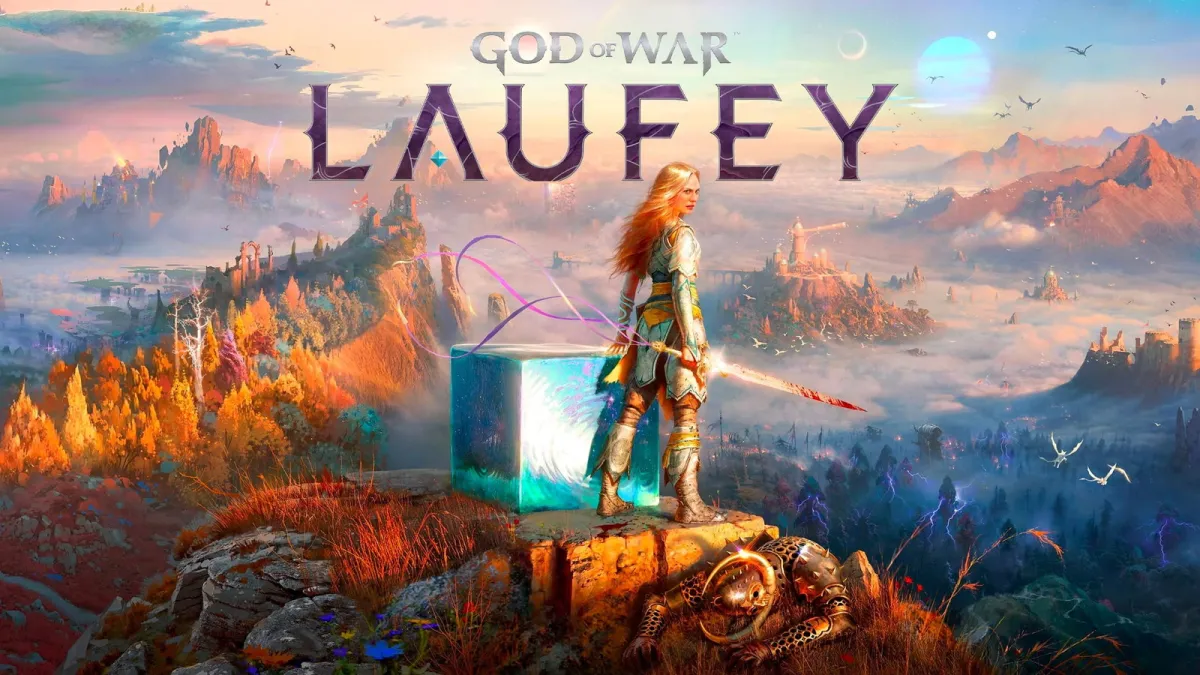 Photo: God of War, via infinitestart.b-cdn.net
Santa Monica Studio's reinvention of Kratos took a franchise that had creatively exhausted its Greek mythology setting and made a genuinely bold structural decision: slow everything down. Replace the wide-camera hack-and-slash spectacle with an intimate over-the-shoulder perspective. Give Kratos a son and a reason to be something other than a rage engine. Build a world that rewards exploration without overwhelming the player with it.
Critically, it didn't abandon what God of War was. The combat was still visceral and demanding. Kratos was still an unstoppable force. The boss fights were still among the most spectacular in the medium. But the reboot understood the emotional core of the franchise — power, consequence, mythology — and rebuilt around that rather than around the surface-level aesthetics.
Doom 2016 is another case study worth examining. id Software came back to a franchise that had lost its way through Doom 3's survival horror detour and simply asked: what made the original Doom feel incredible? The answer was speed, aggression, and momentum. Everything else was built around that answer. The result wasn't just a successful reboot — it revitalized an entire subgenre.
The difference between these success stories and the graveyard entries isn't budget or marketing or even talent. It's the presence or absence of a genuine design thesis. A clear answer to the question: why does this franchise deserve to exist right now, and what does it offer that nothing else does?
The Nostalgia Trap and the Audience Problem
There's another dimension to this that doesn't get discussed enough: the original audience for these franchises has changed.
The players who remember Battletoads or Twisted Metal or Alone in the Dark from their original runs are now adults with less time, more options, and different expectations. They want the nostalgic hit, but they also want the game to meet modern production standards. Meanwhile, younger players have no emotional attachment to these IPs and will evaluate them purely on their merits against everything else available.
This creates a brutal double bind. Lean too far into nostalgia and you risk making something that feels dated to new players. Modernize too aggressively and you alienate the core audience that was supposed to guarantee a baseline of sales. The reboots that fall into the graveyard are almost always the ones that tried to thread that needle and ended up satisfying neither group completely.
The franchises that make it out alive are the ones that commit. God of War committed to being a new kind of game. Doom 2016 committed to being an old kind of game made with modern craft. Half-measures, by definition, produce half-results.
What's Next on the Revival List
As of 2026, the rumor mill is churning around several dormant IPs that publishers are reportedly eyeing for revival treatment. Legacy franchises like Castlevania, Jet Set Radio, and even Burnout have surfaced in leaks and trademark filings with enough regularity to suggest something is in development somewhere. Whether those projects will join the success column or the graveyard depends entirely on whether the studios behind them have done the hard work of understanding what those games were actually about — not just what they looked like.
The IP is never the asset. The design philosophy is. Until publishers genuinely internalize that distinction, the graveyard is going to keep getting more crowded.
And somewhere, a kid who grew up loving a franchise that's been dormant for 20 years is about to get very excited — and then very quiet — all over again.