Back From the Dead: Why Gaming's Dormant Franchises Keep Getting Second Lives — and Which Ones the US Actually Needs Right Now
Photo: "Yuva,editer", CC BY 4.0, via Wikimedia Commons
Back From the Dead: Why Gaming's Dormant Franchises Keep Getting Second Lives — and Which Ones the US Actually Needs Right Now
The gaming industry has always had a complicated relationship with its own past. Publishers sit on decades of dormant IP like dragons on gold hoards — occasionally breathing fire on a remaster, occasionally letting something genuinely beloved gather dust until everyone who loved it has moved on. But something has shifted in the last few years. Franchise revivals aren't just happening more frequently. Some of them are working.
The question worth asking right now isn't whether publishers will keep resurrecting old franchises. They will. The question is what separates the ones that actually land from the ones that remind everyone why the series was shelved in the first place.
The God of War Template
Any serious conversation about franchise revivals in the US market starts here. Sony Santa Monica's 2018 God of War reboot didn't just revive a dormant series — it fundamentally reimagined what the franchise was, swapping Greek mythology for Norse, ditching the fixed camera for an intimate over-the-shoulder perspective, and centering the narrative on a father-son relationship that gave Kratos genuine emotional weight for the first time.
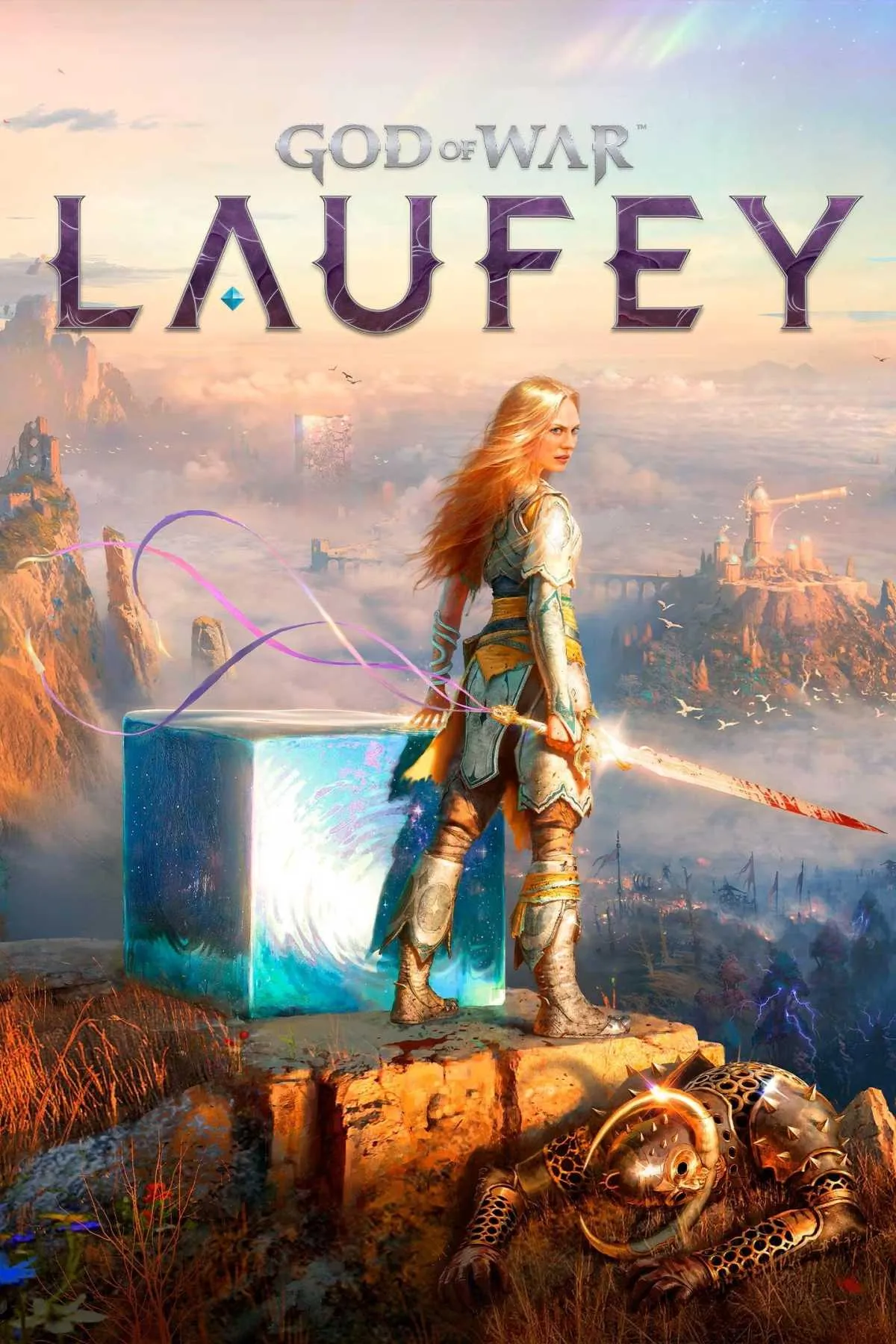 Photo: God of War, via static0.gamerantimages.com
The result wasn't just commercially successful — it won Game of the Year at The Game Awards and opened the door to Ragnarök in 2022, which was arguably even more acclaimed. The God of War revival worked because the team respected the source material's core identity (brutal, mythological, spectacle-driven combat) while having the courage to interrogate everything else.
That's the template. Respect the DNA. Challenge everything built around it.
Why Most Revivals Don't Clear That Bar
For every God of War, there are a handful of well-intentioned comebacks that stumble. The reasons are usually the same. Either the developer treats nostalgia as a destination rather than a starting point — leaning so hard on callbacks that the game feels like a museum exhibit — or they overcorrect in the opposite direction, stripping away so much of the original identity that longtime fans feel alienated while new players have no reason to engage.
The live-service model has made this worse. Several high-profile franchise revivals in recent years have launched as multiplayer-first or games-as-a-service titles, betting that the brand recognition would carry an audience into a format that had nothing to do with why people loved the original. It rarely works. Players don't just want the name. They want the feeling.
There's also the nostalgia decay problem. A franchise that was massive in 2003 has a fanbase that is now in their late 30s and early 40s. That audience is real, passionate, and increasingly willing to spend money on things that respect their gaming history — but they're also more discerning than they were as teenagers. You cannot coast on their goodwill. You have to earn it.
The Franchises America Actually Wants Back
So which dormant series have the right conditions for a genuine revival in 2026 and beyond? Here's our shortlist, grounded in community petition data, franchise sales history, and developer interview breadcrumbs.
Skate. EA's skate. franchise has been dormant since 2010, and the community noise around a revival has been deafening for years. A new entry — reportedly in development as Skate under EA's Full Circle studio — has been in a prolonged early access period with community-driven development feedback. The interest is real and documented: the original trilogy still sells on digital storefronts, and the r/Skate community is one of the most active dormant-franchise subreddits online. The skateboarding genre is essentially uncontested right now, which is both an opportunity and a pressure.
Burnout. Criterion's Burnout series peaked with Burnout 3: Takedown in 2004 and Burnout Paradise in 2008 — a game that was so far ahead of its time that it got a full remaster in 2018 and sold well again. The racing genre in 2026 is crowded at the simulation end and starved at the pure arcade chaos end. There is a genuine gap in the market that a modern Burnout could fill. EA owns the IP. Criterion still exists. The math isn't complicated.
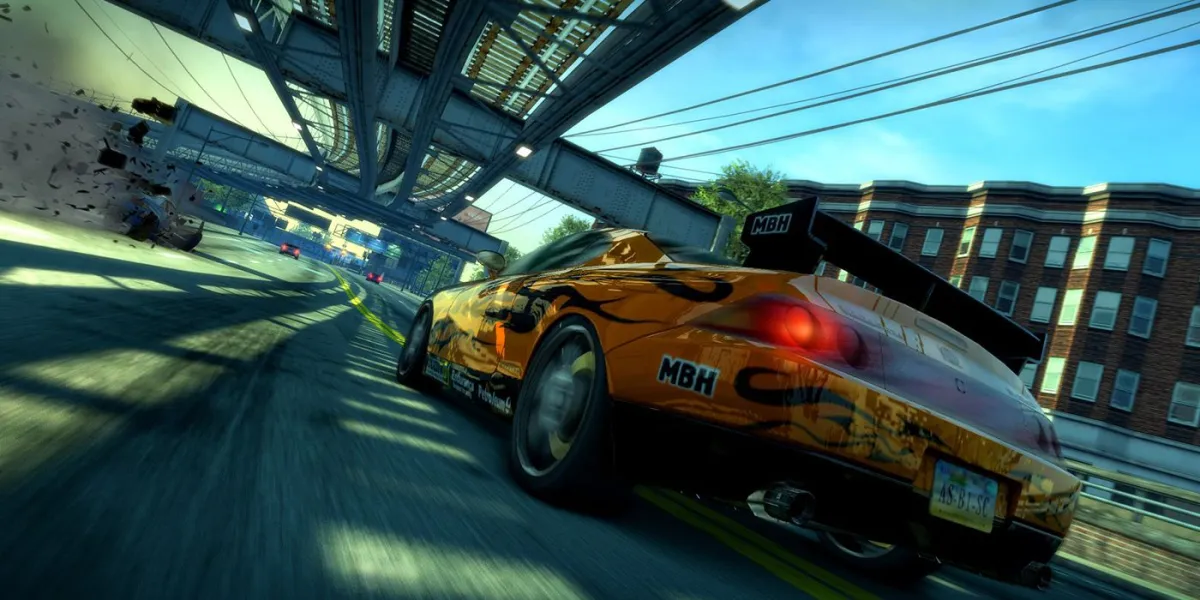 Photo: Burnout Paradise, via static0.gamerantimages.com
Dino Crisis. Capcom's dinosaur-horror franchise has been dormant since 2003, and the company's recent track record with franchise revivals — Resident Evil 2, 3, 4, Devil May Cry 5 — is arguably the best in the industry right now. A Dino Crisis remake or reimagining using the RE Engine would be a natural fit. Community petitions for a revival have circulated for years, and Capcom has acknowledged the franchise's fanbase in interviews without committing to anything. The silence feels increasingly deliberate.
Jak and Daxter / Ratchet & Clank (New Entry). Sony's PS2-era platformer duos represent a generational gap in their first-party lineup. Ratchet & Clank: Rift Apart proved in 2021 that the latter franchise still has commercial life, but a genuinely new Jak entry — not a remaster, a new game — would tap into a nostalgia vein that PlayStation has left almost entirely untouched. The Naughty Dog of 2026 is a very different studio than the one that made Jak II, but the IP sits with Sony, and the goodwill is there.
F-Zero. Nintendo's futuristic racing franchise hasn't had a mainline entry since F-Zero GX in 2003, and its absence from modern Nintendo hardware has become a running joke in gaming communities. GX is widely regarded as one of the finest racing games ever made. The Switch era proved that Nintendo can still surprise the market — Metroid Dread in 2021 was the first new 2D Metroid in nearly two decades and shipped to critical acclaim. F-Zero has all the same ingredients. The question is whether Nintendo sees the commercial case.
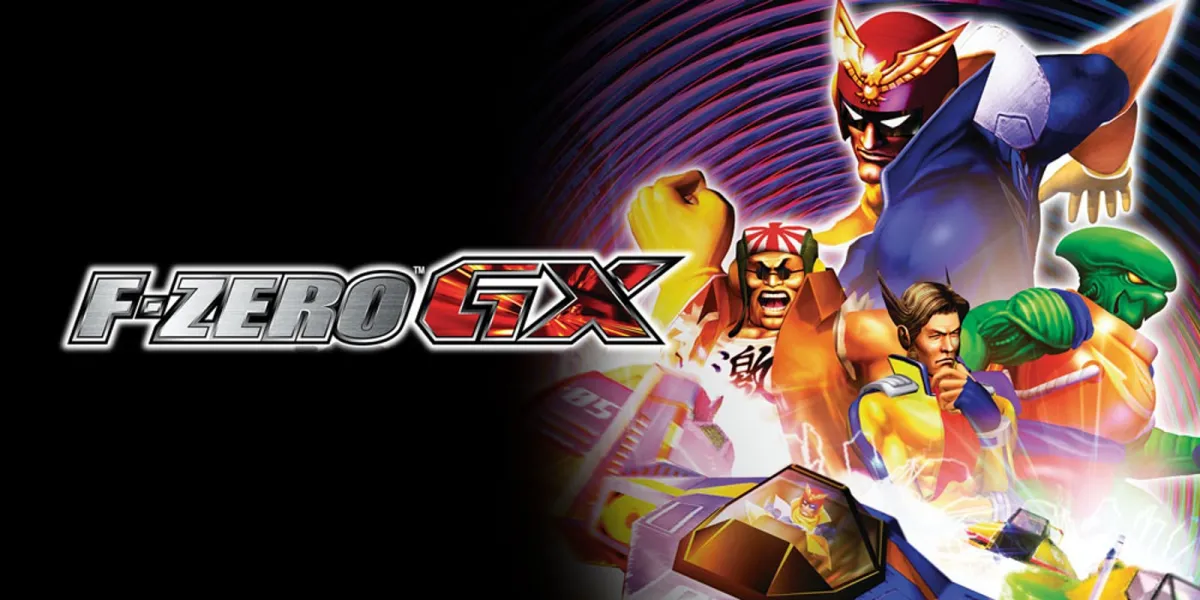 Photo: F-Zero GX, via www.nintendo.com
What the Data Actually Says
Change.org and similar platforms have hosted franchise revival petitions for most of the series listed above, with signature counts ranging from tens of thousands to over 100,000 for the most vocal campaigns. Publisher executives have historically been skeptical of petition data as a commercial signal — and they're not wrong to be cautious, since signing a petition costs nothing and doesn't guarantee a purchase.
But the picture changes when you layer in digital storefront sales of legacy titles, YouTube retrospective view counts, and active subreddit populations for dormant franchises. By those metrics, the demand is real and sustained, not just a spike of nostalgia driven by an anniversary announcement.
The US market specifically rewards revivals that feel like genuine creative investments. American audiences have shown, repeatedly, that they will turn out for a well-executed comeback — but they're also quick to call out a cash-in. The God of War model succeeded because it was clearly made by people who cared. The franchises listed above deserve the same treatment.
The Bottom Line
The best franchise revivals don't just bring something back. They make you wonder how you ever lived without it. The industry has enough evidence by now to know what works — respect the original, challenge the formula, give it to a team that actually wants to make it. The IP is sitting there. The audience is waiting. Someone just has to be brave enough to actually dig.