Quarter Crunchers: How Capcom, SNK, and Namco Accidentally Invented the Boss Rush — and Changed Gaming Forever
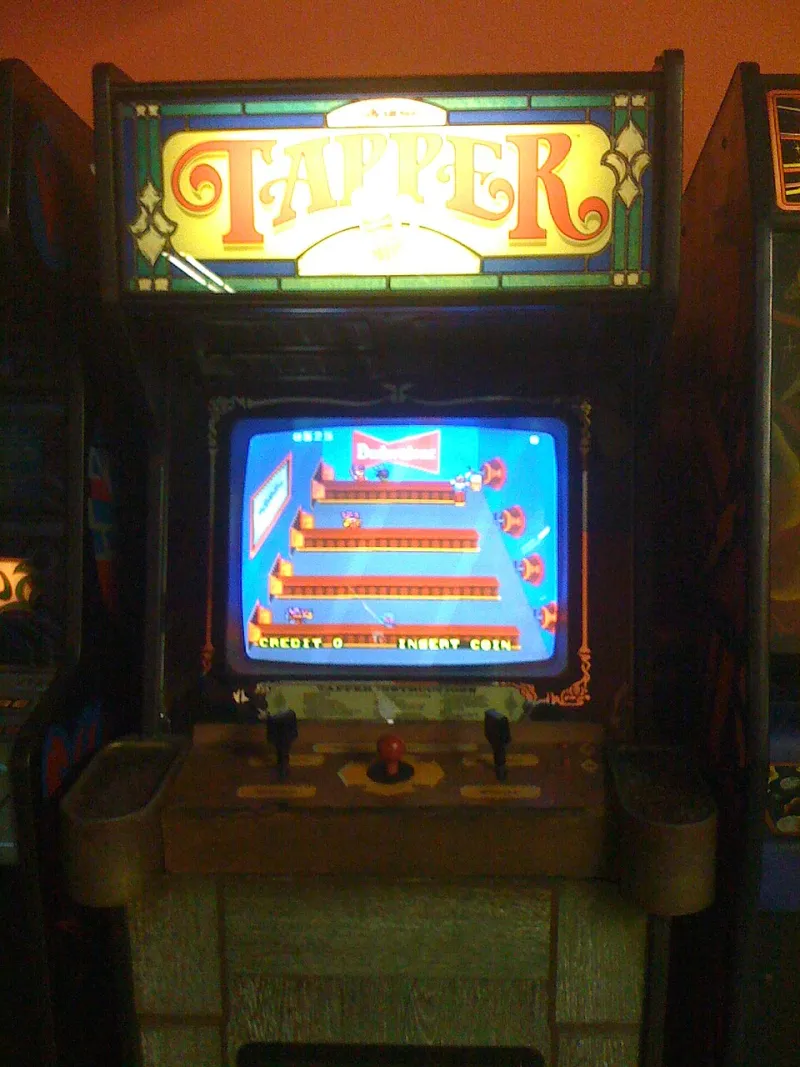
Photo: Rob DiCaterino from Jersey City, NJ, USA, CC BY 2.0, via Wikimedia Commons
Walk into any arcade in the late 1980s and you were, whether you knew it or not, participating in one of the most important game design experiments in history. The cabinet in front of you wasn't just a game. It was a revenue machine built around a very specific psychological loop: lure you in with accessible early stages, escalate the challenge until you were spending quarters faster than you could fish them from your pocket, and anchor the whole experience around a powerful enemy at the end of each section whose defeat felt like a genuine achievement. That enemy was the boss. And the philosophy that produced it quietly became the foundational blueprint for nearly every action and RPG game made in the four decades since.
This is the story of how three Japanese companies — Capcom, SNK, and Namco — built the boss rush genre without ever calling it that, and why their design logic is more relevant in 2026 than it's ever been.
The Arcade Economy and Why Bosses Had to Be Hard
To understand why arcade bosses were designed the way they were, you have to understand the business model behind the cabinet. Arcade operators paid upfront for machines and earned revenue on a per-play basis. The longer a player survived, the less money the operator made per hour. This created a direct financial incentive to kill the player — but not too quickly, and not too cheaply. Kill them in the first 30 seconds and they walk away frustrated. Let them coast through the whole game on a single quarter and you're losing money. The sweet spot was a game that felt winnable, kept you engaged long enough to invest emotionally, and then hit you with something just hard enough to take another quarter.
The boss encounter was the perfect solution to this problem. It was the moment of maximum tension, maximum investment, and maximum likelihood of a costly death. It was also, crucially, the moment of maximum payoff when you survived. The boss fight was where the arcade economy and game design philosophy converged into something that felt, from the player's side, like pure craft.
Capcom's Blueprint: Street Fighter and the Art of the Matchup
Capcom's contribution to boss design is almost impossible to overstate. Before Street Fighter II landed in arcades in 1991, fighting games existed — but they didn't dominate. SFII changed everything by turning the boss encounter into a two-way street. M. Bison wasn't just a damage-sponge at the end of a gauntlet. He was a character with a distinct moveset, specific weaknesses, and a personality that made defeating him feel personal. Capcom had figured out something crucial: the best bosses aren't obstacles. They're characters. The player needs to understand them to beat them.
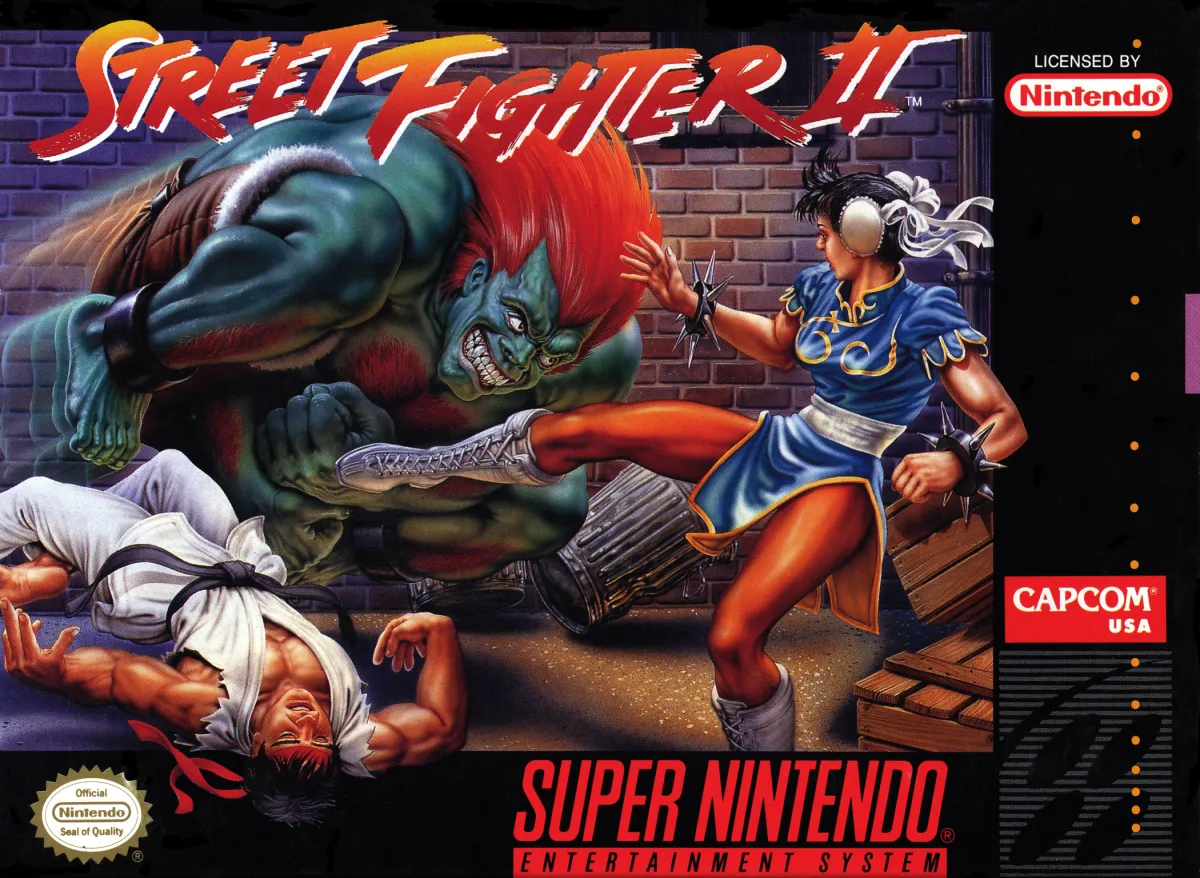 Photo: Street Fighter II, via static.nintendomaine.com
This philosophy ran through everything Capcom made in the early 90s — from the Mega Man series, where each Robot Master had an elemental weakness that forced players to think strategically, to Final Fight, where the climactic encounters with Belger and his lieutenants were the structural and emotional peaks of the entire experience. The boss was the point. Everything else was prologue.
SNK's Escalation Engine: The King of Fighters and the Final Boss as Myth
If Capcom gave bosses personality, SNK gave them mythology. The company's roster of final bosses — Rugal Bernstein, Igniz, Omega Rugal — became legendary not just for their difficulty but for their sense of scale. SNK understood that the final boss of an arcade game wasn't just the hardest enemy. It was the game's thesis statement. It was the moment the machine looked you in the eye and asked how good you really were.
The King of Fighters series, which launched in 1994 and has continued in various forms through to today, perfected the SNK model of boss escalation. Each year's entry introduced a new final antagonist that was, almost without exception, more absurdly powerful than the last — and the community loved it. The difficulty wasn't a flaw. It was a feature. It was a challenge that spread through arcades via word of mouth, a social phenomenon as much as a game design choice. SNK built bosses that people talked about, and in doing so, they turned the boss encounter into a cultural event.
Namco's Structural Gift: Pac-Man, Galaga, and the Wave as Grammar
Namco's contribution is less about individual bosses and more about structure — and it might be the most influential of the three. Pac-Man and Galaga, both early 80s Namco titles, established a wave-based grammar for arcade design that became universal: clear a stage, face a harder stage, repeat until you hit something that genuinely challenges you. Galaga's boss formations — the enemies that swooped in complex patterns and required precise, almost rhythmic responses — were proto-boss encounters in everything but name.
This wave structure is the direct ancestor of every roguelite run in 2026. Hades, Dead Cells, Returnal — they all owe a structural debt to the Namco model of escalating waves culminating in a high-stakes confrontation. The vocabulary changed. The DNA didn't.
The Console Transition: Taking the Arcade Logic Home
When the arcade market began its long decline in the mid-90s, the designers who had built their craft around cabinet economics brought their philosophy to home consoles. And here's where something interesting happened: freed from the financial imperative to kill the player, developers had to find new reasons to make bosses hard. The answer, largely, was narrative. The boss became the dramatic climax of a story, not just a revenue mechanism. The difficulty was now in service of emotional payoff rather than operator profit.
This transition produced some of the greatest boss encounters in gaming history — Psycho Mantis in Metal Gear Solid, Sephiroth in Final Fantasy VII, Shadow of the Colossus in its entirety. Each of these owes something to the arcade tradition: the idea that a great boss is a complete experience, a test of everything you've learned, and a moment worth remembering. The quarter was gone. The philosophy remained.
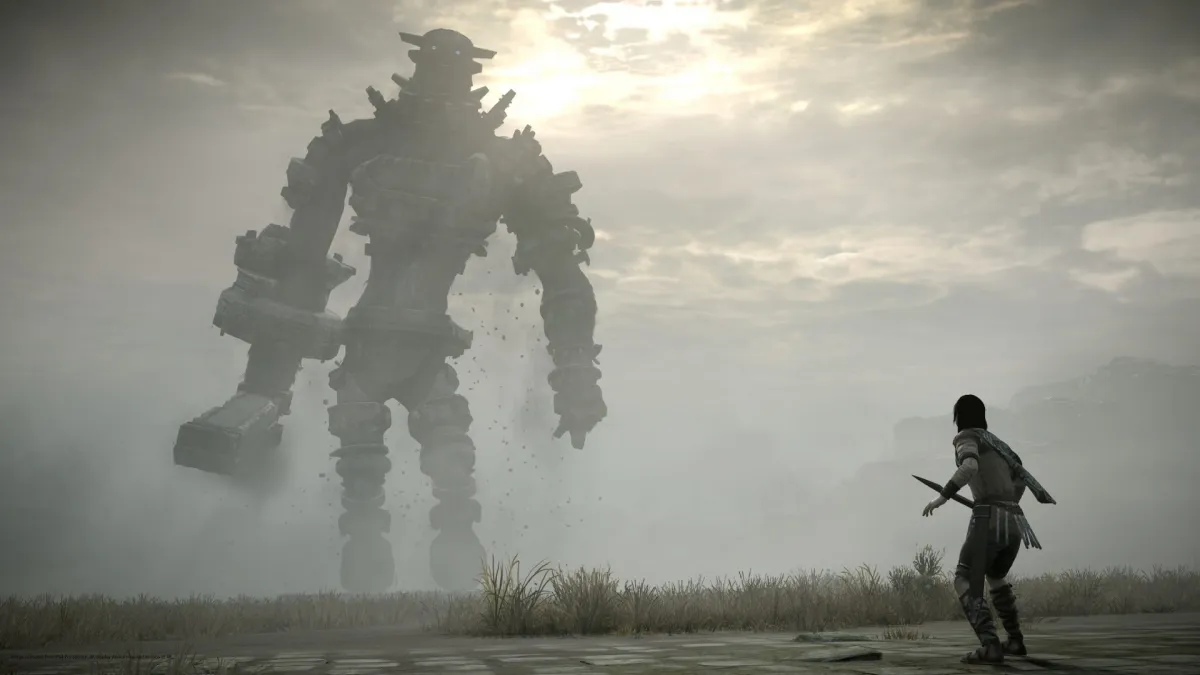 Photo: Shadow of the Colossus, via areajugones.sport.es
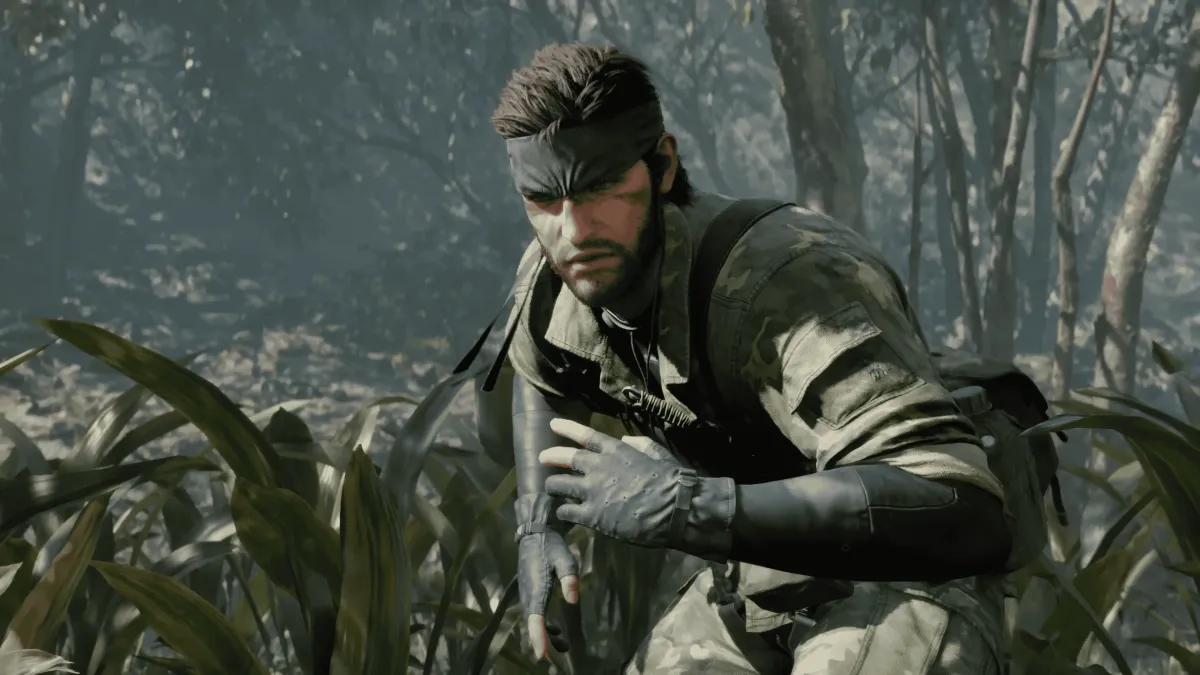 Photo: Metal Gear Solid, via 9meters.com
2026 and the Roguelite Renaissance
In 2026, the arcade boss philosophy is experiencing a full-circle revival through the roguelite and live-service genres. Games built around repeated runs through escalating encounters, culminating in a powerful boss that tests accumulated skill, are among the most commercially and critically successful releases in the market. The structure Namco, Capcom, and SNK built for a coin-operated cabinet in a shopping mall is now the backbone of games that players spend hundreds of hours with.
The terminology evolved. The game design didn't. And the next time you're 45 minutes into a Hades run, sweating through the final chamber, remember: you're playing a game that was designed, in its essential structure, by the people who needed you to put another quarter in the slot.
Some design philosophies don't age. They just find new hardware to run on.